
In modern laboratory environments, especially in healthcare and research facilities, biosafety challenges are increasing. Laboratories face pressing demands for effective sterilization workflows to control contamination. Traditional methods, such as alcohol lamps and Bunsen burners, have long been used but pose significant drawbacks, including flame hazards and inconsistent temperatures. This is where micro incinerators, particularly the Infrared Inoculating Loop Sterilizer, shine as a safe, efficient solution for rapid thermal sterilization.
Technical Principles of Micro Incinerators
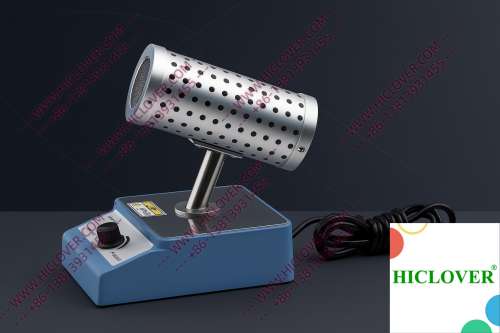
Micro incinerators utilize infrared heat to provide a reliable and consistent means of sterilizing lab tools and inoculating loops. The ceramic heating chamber is designed to reach high temperatures quickly and maintain those temperatures for optimal disinfection. Unlike traditional flame sterilizers, which can introduce aerosols and other contaminants into the laboratory environment, a micro incinerator operates in a clean-bench-safe manner, minimizing the risks to both personnel and samples.
Applications in Real Labs
Micro incinerators find their utility in various laboratory environments, owing to their compact design and effective disinfection capabilities.
1. Biosafety Cabinets
In BSL-2 and BSL-3 microbiology labs, strict adherence to safety protocols is essential. Micro incinerators can be incorporated into biosafety cabinets as part of the sterilization workflow. For instance, researchers can use these devices to sterilize inoculating loops directly within the cabinet, maintaining sterile conditions and effectively preventing the airborne spread of pathogens.
2. Field Testing Laboratories
In mobile or field testing laboratories, the need for portable and reliable sterilization solutions is paramount. Micro incinerators provide an ideal option for field scientists who perform environmental sampling or field diagnostics where traditional equipment may not be feasible. Their light weight and power efficiency allow researchers to maintain sterilization standards even in remote locations.
Compliance and Environmental Considerations
Compliance with WHO biosafety standards and laboratory sterilization guidelines is crucial in any laboratory. In many regions, specifically in cities with stringent health regulations, using non-flame sterilization methods such as micro incinerators is often encouraged to minimize risks associated with open flames. These sterilizers are compliant with various safety and operational standards, ensuring labs can operate without compromising safety protocols.
- No open flames in clean rooms
- Reduced fire hazard in laboratories
- Less aerosol production compared to traditional methods
With a focus on sustainability, micro incinerators also contribute positively to local economies by reducing the costs associated with laboratory accidents and equipment replacement. By minimizing contamination risks and ensuring effective sterilization, labs can improve operational efficiency and enhance research outputs.
Comparison Table: Micro Incinerator vs. Traditional Flame Sterilizers
| Feature | Micro Incinerator | Flame Burners |
|---|---|---|
| Safety | Minimal fire risk, aerosol-free | Open flame presents burn hazard |
| Temperature Control | Rapid and consistent | Inconsistent, dependent on user skill |
| Maintenance | Low, no fuel required | High, frequent refueling |
| Environmental Impact | Lower emissions | Higher carbon footprint |
FAQs
What is the primary advantage of using a micro incinerator in the lab?
The main advantage is the consistent and rapid thermal sterilization it provides, minimizing the risk of contamination and enhancing safety in laboratory workflows.
Can micro incinerators be used in educational settings?
Yes, they are excellent for university teaching labs where students learn about sterilization techniques in a safe environment without the risks associated with open flames.
How does the cost of micro incinerators compare to traditional sterilizers?
While the initial investment in micro incinerators may be higher, they offer reduced maintenance and operational costs over time, making them a cost-effective choice.
Are micro incinerators compliant with global sterilization standards?
Yes, they adhere to WHO biosafety regulations and other laboratory sterilization standards, ensuring safe operation in any lab setting.
What type of labs benefit most from micro incinerators?
Micro incinerators are particularly beneficial in BSL-2 and BSL-3 labs, clinical diagnostics, and field testing laboratories that require effective sterilization solutions.
Conclusion
In the face of rising biosafety challenges, micro incinerators like the Infrared Inoculating Loop Sterilizer emerge as vital solutions that not only enhance lab sterilization workflows but also assure compliance with global standards. By choosing this advanced sterilization technology, laboratories can improve their operational safety and efficiency significantly. If you’re ready to upgrade your laboratory with a reliable micro incinerator, reach out to us for more information and options tailored to your needs!
Categories:
Tags: