
In the world of modern laboratories, maintaining a sterile environment is critical. From clinical diagnostics to research in university teaching labs, professionals face persistent biosafety challenges. Traditional methods of sterilization, such as alcohol lamps and Bunsen burners, have become increasingly insufficient in meeting stringent requirements for contamination control. As science advances, so do the technologies designed to ensure that laboratory workflows remain efficient and safe. Enter the Micro Incinerator or Infrared Inoculating Loop Sterilizer, an innovative solution that integrates advanced thermal disinfection technology.
Understanding the Micro Incinerator’s Technical Principles
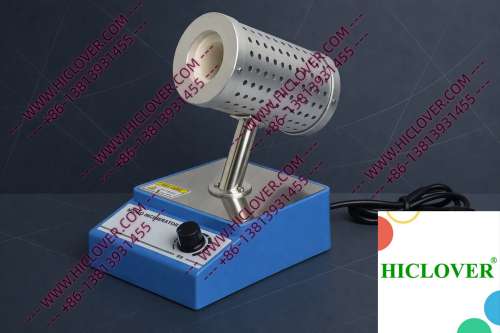
The Micro Incinerator utilizes rapid thermal sterilization through an infrared heating mechanism. Unlike traditional flame sterilizers, which rely on open flames that can produce hazardous aerosols, the Micro Incinerator features a contained heating chamber. Constructed from durable and high-quality ceramic materials, the enclosed chamber ensures that sterilization reaches its target swiftly and safely.
- Infrared Heat Distribution: Generates high temperatures rapidly.
- Enclosed Ceramic Tube: Ensures safety and energy efficiency during operation.
- Aerosol-Free Handling: Reduces contamination risks in sensitive environments.
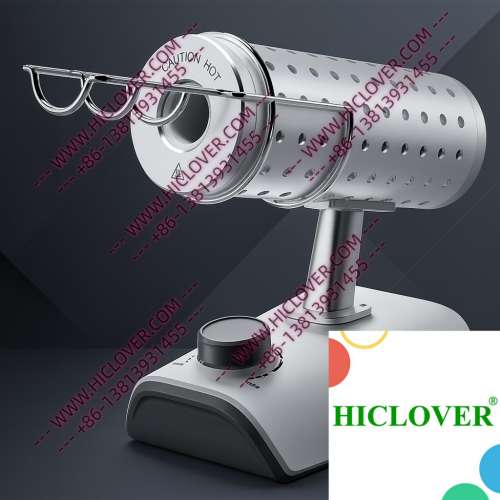
This technological innovation not only boosts efficiency but also ensures compliance with stringent sterilization standards, making it an ideal choice for settings that prioritize biosafety.
Leading Applications in Real Laboratories
Micro Incinerators are employed across various laboratory settings. Below are two specific scenarios where they create significant workflow improvements:
1. Biosafety Cabinets
In BSL-2 and BSL-3 microbiology labs, the need for a sterile working environment is paramount. Using a Micro Incinerator within a biosafety cabinet allows researchers to sterilize inoculating loops and other tools without exposing sensitive biological samples to open flames. This setup enhances safety, as researchers can handle potentially hazardous materials while minimizing the risk of cross-contamination.
2. Teaching Laboratories
In university teaching labs, where demonstrations of microbial techniques are frequent, employing the Micro Incinerator offers a clean, efficient, and safe method for rapid sterilization. Students can observe and practice methods without the hazards traditionally associated with flame sterilizers. The immediate readiness of the Infrared Inoculating Loop Sterilizer allows for uninterrupted learning experiences.
Compliance and Environment Considerations
When it comes to laboratory sterilization, compliance with biosafety standards is non-negotiable. The World Health Organization (WHO) emphasizes stringent guidelines for laboratory procedures, aiming to minimize infection risks and ensure the health of both personnel and the public. The use of Micro Incinerators aligns with these standards, providing:
- Biohazard Control: Reduction of airborne pathogens through flame-free disinfection.
- Clean Room Suitability: No open flames allow for operation in sterile environments without contamination.
In regions like Europe and North America, adherence to laboratory sterilization standards, such as ISO 11135 for ethylene oxide sterilization, ensures that products like the Micro Incinerator are not only effective but also compliant with regulations that protect lab workers and their samples.
Comparison: Micro Incinerator vs. Traditional Flame Sterilizers
| Feature | Micro Incinerator | Flame Sterilizers |
|---|---|---|
| Operation Time | Instant on/off (2-5 seconds) | Longer ignition and cooling time |
| Safety | No open flame, aerosol-free handling | Risk of burns, aerosols present |
| Energy Efficiency | Highly efficient with low power consumption | Less energy-efficient due to open flame |
FAQs
1. What is a Micro Incinerator, and how does it work?
A Micro Incinerator is a sterilization device that uses infrared heating technology to sanitize inoculating loops and other lab tools rapidly. Its enclosed ceramic heating chamber ensures maximum safety and efficiency.
2. Can I use a Micro Incinerator in a BSL-3 laboratory?
Yes, a Micro Incinerator is suitable for use in BSL-3 laboratories, as it complies with biosafety standards, offering flame-free and aerosol-free sterilization.
3. What are the advantages of a Micro Incinerator over a traditional flame sterilizer?
The Micro Incinerator provides instant operational readiness, improved safety due to the absence of open flames, and enhanced energy efficiency compared to traditional flame sterilizers.
4. Is the Micro Incinerator suitable for field testing labs?
Absolutely! Its compact design and quick sterilization capabilities make it ideal for mobile or field testing labs, ensuring sterile conditions on the go.
5. What standards do Micro Incinerators meet for sterilization?
Micro Incinerators comply with various international biosafety standards, including those set by the WHO, making them an excellent choice for laboratories dedicated to safety and effectiveness.
Conclusion
As laboratories across the globe face increasing demands for biosafety and contamination control, the adoption of technologies like the Micro Incinerator becomes essential. With its unique infrared technology, it not only enhances workflow efficiency but also complies with stringent sterilization standards. If you’re a laboratory supply distributor, hospital, or research center looking to upgrade your sterilization equipment, consider investing in a Micro Incinerator to future-proof your operations. Reach out today to learn more about incorporating this vital technology into your lab!
Categories:
Tags: