
Laboratories today face critical biosafety challenges and stringent sterilization workflow demands. The risk of contamination in various laboratory settings, particularly in microbiology labs or during clinical diagnostics, makes efficient sterilization methods indispensable. Two widely used sterilization methods include traditional flame sterilizers, like Bunsen burners and alcohol lamps, and advanced technologies, such as micro incinerators. This guide focuses on the Micro Incinerator, specifically the Infrared Inoculating Loop Sterilizer, to explore its significance in laboratory sterilization.
Technical Principles of Micro Incinerators
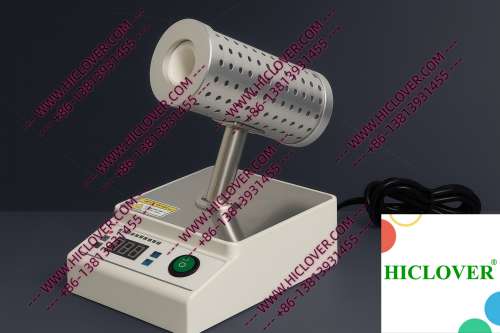
The operational effectiveness of a micro incinerator lies in its innovative design and technology. Unlike traditional flame-based sterilizers, the Infrared Inoculating Loop Sterilizer employs rapid thermal sterilization through precise infrared heating. This technology utilizes an enclosed ceramic tube that generates high temperatures without producing flames. Some key components include:
- Ceramic Heating Chamber: Ensures uniform heat distribution and efficient sterilization.
- Infrared Heating Element: Provides instant heat-up times and safeguards against aerosol contamination.
- Safety Features: Flame-free operation makes it suitable for use in clean rooms and BSL-2/BSL-3 laboratories.
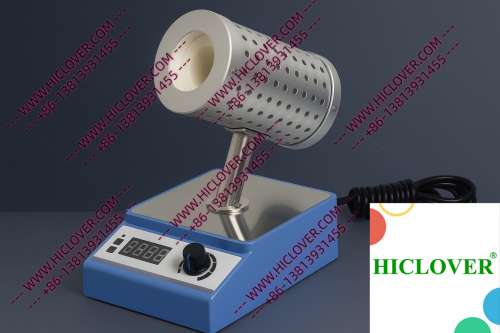
Applications in Real Laboratory Environments
Micro incinerators are gaining traction across various applications, particularly in clean environments. Here are two main scenarios where these sterilizers prove invaluable:
1. Biosafety Cabinets
In BSL-2 and BSL-3 microbiology labs, working with infectious agents necessitates stringent contamination control practices. The Infrared Inoculating Loop Sterilizer is ideally suited for biosafety cabinets due to its clean-bench-safe operation. This drastically reduces the risk of aerosol production while ensuring high-temperature sterilization for inoculating loops or any mixing implements used with microbial cultures.
2. Field Testing in Clinical Diagnostics
Mobile laboratories or field testing settings in clinical diagnostics benefit significantly from micro incinerators. With compact designs and rapid operational capabilities, these devices allow researchers to achieve high-temperature disinfection without heavy equipment. In remote locations where maintaining biological safety is paramount, micro incinerators eliminate the concerns associated with flame exposure.
Compliance and Environmental Considerations
Ensuring compliance with laboratory sterilization standards is crucial. The World Health Organization (WHO) highlights the importance of biosafety measures in laboratory settings. Traditional flames are not permitted in sterile zones, such as clean rooms, due to the potential for airborne contamination and safety hazards. Micro incinerators meet compliance requirements by offering:
- Flame-free operations
- Reduction of biological aerosols
- Regulatory adherence for hazardous waste disposal
The incorporation of micro incinerators aligns with global best practices in laboratory safety, further emphasizing their essential role in modern scientific research.
Cost Comparison: Micro Incinerator vs. Traditional Flame Sterilizers
| Feature | Micro Incinerator | Traditional Flame Sterilizers |
|---|---|---|
| Heat Source | Infrared | Flame (Bunsen or Alcohol) |
| Safety | Flame-free | Flame hazards present |
| Efficiency | Rapid thermal sterilization | Slower heating |
| Aerosol Risk | Low | High |
| Operational Cost | Lower (electricity-based) | Higher (fuel-based) |
FAQs on Micro Incinerators
- What are the key advantages of using a micro incinerator over traditional flame sterilizers?
Micro incinerators provide rapid sterilization, reduced aerosol production, eliminate flame hazards, and ensure cleaner operational environments. - How does the infrared heating technology work?
The infrared heating element generates intense heat quickly, providing efficient thermal disinfection without the need for open flames. - Is the micro incinerator compliant with WHO biosafety standards?
Yes, its operation aligns with WHO guidelines for biosafety, especially in sensitive lab environments. - What are the typical costs of micro incinerators in Prague?
Prices vary, but they generally range from €300 to €600 based on features and supplier specifics. - Can micro incinerators be used in field settings?
Definitely, their portable design makes them ideal for mobile testing labs and fieldwork.
Conclusion
Micro incinerators represent a significant advancement in laboratory sterilization technology, addressing critical biosafety needs and operational efficiencies. Their use is rapidly gaining importance in labs throughout Prague and beyond, ensuring both safety and compliance with regulatory standards. If you are a laboratory supply distributor, hospital, or university looking to upgrade your sterilization equipment, contact us today to explore our range of Infrared Inoculating Loop Sterilizers tailored to your specific needs.
Categories:
Tags: