
In the modern lab environment, addressing biosafety challenges and maintaining efficiency in sterilization workflows are paramount. Laboratories, especially in Johor Bahru, are increasingly relying on advanced sterilization technologies to meet stringent health and safety regulations. Among these, the Micro Incinerator or Infrared Inoculating Loop Sterilizer stands out as a preferred choice for its efficacy in eliminating contamination while adhering to biosafety standards.
Understanding Micro Incinerators: Technical Principles
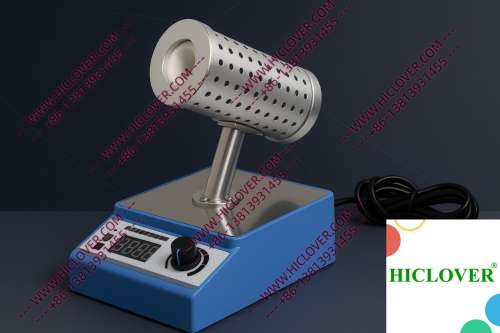
The micro incinerator uses the principle of rapid thermal sterilization through infrared heat. Unlike traditional flame sterilizers, which often utilize alcohol lamps or Bunsen burners, micro incinerators provide a more controlled environment. These devices feature an enclosed ceramic heating chamber that creates a steady, high-temperature disinfection zone. This ensures effective sterilization without the risk of open flames, making it ideal for sensitive laboratory settings.
The infrared heat technology minimizes aerosol generation, making it a safe option in both clean rooms and high-containment facilities.
Applications in Laboratory Settings
Micro incinerators are versatile tools that can be employed in various laboratory environments. Here are two scenarios where these sterilizers prove invaluable:
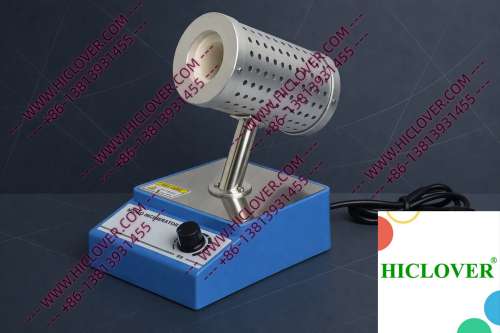
- Biosafety Cabinets: In many BSL-2 and BSL-3 microbiology labs, maintaining sterility is crucial. Micro incinerators can be easily integrated into biosafety cabinets, allowing for quick and effective sterilization of inoculating loops and instruments while minimizing contamination risks.
- University Teaching Labs: In educational settings, micro incinerators facilitate safe hands-on training. Students can learn the importance of sterilization without the hazards associated with open flames, promoting a safer laboratory culture.
Complying with Sterilization Standards
Compliance with international biosafety standards is vital for laboratories, especially those involved in clinical diagnostics or biological research. The WHO biosafety guidelines emphasize the need for sterilization equipment that enhances safety and controls contamination.
Using micro incinerators aligns with these standards, particularly in environments where flame sterilization is prohibited. They offer a clean-bench-safe option, ensuring that the risk of flare-ups or hazardous exposure is minimized. Moreover, these sterilizers produce no flame, making them suitable for clean rooms, thereby meeting rigorous sterilization requirements outlined in laboratory standards across the globe.
Why Choose Micro Incinerators Over Traditional Flame Sterilizers?
| Feature | Micro Incinerator | Flame Sterilizer |
|---|---|---|
| Temperature Control | Precise, adjustable via settings | Dependent on manual ignition |
| Safety | No open flame, reduced aerosol risk | High risk of burns and contamination |
| Speed of Sterilization | Rapid thermal action | Variable, depending on user technique |
| Compliance | Meets strict biosafety standards | May not comply with clean room guidelines |
Market Needs in Johor Bahru
With the growing demand for safe laboratory practices in Johor Bahru and neighboring regions, laboratories are seeking reliable micro incinerators. The equipment not only enhances efficiency but also complies with essential sterilization protocols. As hospitals, universities, and research centers invest in advanced sterilization technology, the micro incinerator emerges as a cost-effective solution not just for the short term, but for sustainable operations.
Frequently Asked Questions
- What is a micro incinerator?
The micro incinerator is a laboratory device that uses infrared heat for rapid thermal sterilization, ensuring contamination control and adhering to strict biosafety standards. - How does it compare to traditional flame sterilizers?
Micro incinerators provide enhanced safety with precise temperature control and no open flames, making them a superior choice in sensitive lab environments. - Are micro incinerators compliant with WHO biosafety standards?
Yes, micro incinerators meet WHO biosafety and laboratory sterilization standards, making them an ideal choice for various laboratory settings. - Can a micro incinerator be used in a biosafety cabinet?
Absolutely! Micro incinerators are designed for integration into biosafety cabinets, maintaining a sterile environment during usage. - What are the typical prices for micro incinerators in Johor Bahru?
Prices can vary based on the model and features, but these devices generally provide excellent value given their reliability and performance.
Conclusion
As laboratories in Johor Bahru and beyond strive to enhance their sterilization workflows while adhering to essential biosafety standards, investing in a Micro Incinerator is a forward-thinking choice. By improving safety, effectiveness, and compliance, this innovative device can revolutionize contamination control practices in any lab setting. For more information on procurement options, don’t hesitate to contact us or explore our quality offerings today!
Categories:
Tags: