
In Egypt, urban waste management poses significant challenges, particularly concerning biosafety in laboratory environments. As cities grow, the need for effective waste resolution strategies becomes paramount. Among the countless solutions explored, the use of micro incinerators has emerged as a critical technology for managing waste in both urban settings and laboratory environments. The Micro Incinerator or Infrared Inoculating Loop Sterilizer exemplifies the innovative approach essential for modern laboratory sterilization workflows.
Laboratory Biosafety Challenges
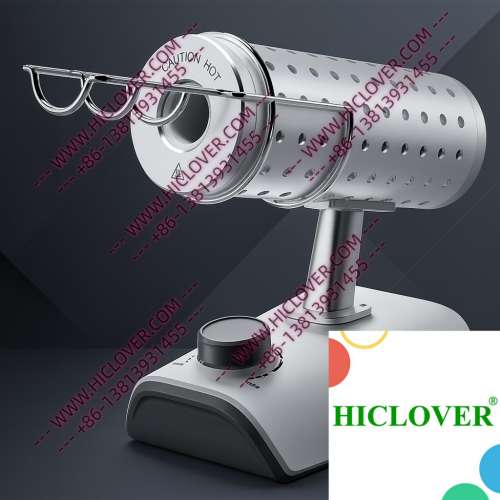
Laboratories today face an array of biosafety challenges. From maintaining sterile environments to ensuring that hazardous materials are disposed of properly, there’s an ever-present need for effective sterilization equipment. Traditional methods, which often rely on flame sterilizers such as alcohol lamps and Bunsen burners, can introduce inefficiencies and contamination risks. A significant concern in cleanroom settings is the potential for flame accidents, particularly in labs handling flammable substances.
In contrast, the use of a Micro Incinerator mitigates these risks while providing rapid thermal sterilization. Utilizing advanced infrared heat technology, these units allow for precise control during the sterilization process, ensuring that bacterial load is eradicated without compromising the integrity of the working environment.
Technical Principles and Configuration
The Micro Incinerator operates on the principle of infrared high-temperature disinfection. Inside the device, an enclosed ceramic tube provides an efficient heating chamber that can reach high temperatures quickly, allowing for immediate treatment of inoculating loops and other small lab instruments. The ceramic material is designed to withstand extreme heat, which contributes to enhanced durability and longer life span compared to traditional flame sources.
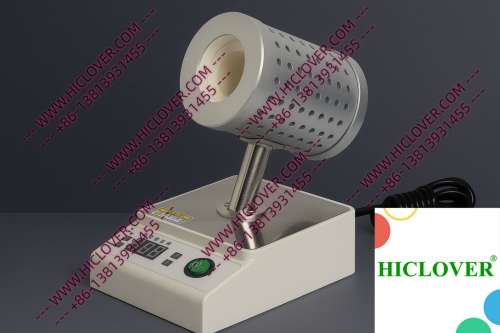
Additionally, this method of sterilization ensures an aerosol-free handling of biological samples, which is crucial for maintaining contamination control in laboratories. With no open flame, the Micro Incinerator is safe for use in clean benches, BSL-2 and BSL-3 microbiology labs, where maintaining an uncontaminated environment is of utmost importance.
Application Scenarios in Real Laboratories
1. Biosafety Cabinets
In university teaching labs and clinical diagnostics, the Micro Incinerator serves as an effective solution for routine sterilization tasks within biosafety cabinets. Its compact design allows for easy incorporation into existing setups, enabling educators and researchers alike to perform safe and efficient sterilization of inoculating loops, slides, and other small instruments. The quick temperature recovery and high sterilization efficiency allow labs to maintain optimal workflow with minimal disruption.
2. Field Testing Labs
Furthermore, field testing labs often encounter unique challenges in remote locations where traditional gas supplies may not be readily available. The portable nature of the Micro Incinerator makes it an attractive option for these scenarios. When conducting microbial testing in less controlled environments, quick and reliable sterilization becomes crucial following sample collection. The Micro Incinerator ensures that staff can sterilize equipment on-site effectively, thus safeguarding results and preventing contamination during transport back to the main lab.
Compliance and Environmental Impact
Adhering to international standards set by organizations like the WHO is critical for laboratories that prioritize biosafety. Compliance with lab sterilization standards not only helps in maintaining operational integrity but also ensures protection against contamination risks. The Micro Incinerator meets stringent guidelines for safe use within cleanrooms, eliminating the risks associated with open flames in sensitive areas.
Moreover, incorporating micro incinerators into waste management strategies in Egypt can positively impact urban environments by effectively managing laboratory waste. These devices facilitate incineration with minimal environmental impact, contributing to sustainable practices that align with global waste reduction goals.
Comparison Table: Micro Incinerator vs. Flame Burners
| Feature | Micro Incinerator | Flame Burners |
|---|---|---|
| Temperature Control | Precise infrared control | Manual adjustment, less consistent |
| Safety | No open flame | Open flame present |
| Contamination Risk | Aerosol-free | Aerosol generation possible |
| Portability | Compact and portable | Typically larger and less mobile |
| Efficiency | Rapid sterilization | Longer warm-up time |
Frequently Asked Questions
- What is a Micro Incinerator used for in laboratories?
The Micro Incinerator is used for the rapid sterilization of inoculating loops, petri dishes, and other small laboratory equipment to ensure a contamination-free environment. - How does infrared sterilization compare to traditional flame methods?
Infrared sterilization is more efficient, safer, and allows for precise temperature control without the risks associated with open flames. - Can the Micro Incinerator be used in field testing labs?
Yes, its portable design makes it suitable for field testing in various environments where traditional gas sources are unavailable. - Is a Micro Incinerator compliant with WHO standards?
Yes, it meets various international biosafety and sterilization standards, making it a suitable choice for cleanroom environments. - What are the benefits of using a Micro Incinerator over flame sterilizers?
Main benefits include improved safety, reduced risk of contamination, portability, rapid sterilization times, and enhanced sterilization efficiency.
Conclusion
As Egypt continues to confront urban waste management issues, innovative solutions like the Micro Incinerator offer practical pathways to enhancing laboratory sterilization processes. By embracing this transformative technology, laboratories can improve biosafety, efficiency, and compliance with international standards. Interested in upgrading your sterilization equipment or learning more about Micro Incinerators’ impact on your waste management processes? Contact us today to explore our range of solutions!
Categories:
Tags: