
In today’s fast-paced laboratory environments, maintaining stringent biosafety standards while efficiently managing sterilization workflows poses formidable challenges. Laboratory professionals, especially in BSL-2 and BSL-3 microbiology labs, must navigate the complexities of contamination control while ensuring the safety of both personnel and specimens. This is where the Micro Incinerator, particularly the Infrared Inoculating Loop Sterilizer, stands out as an indispensable tool in laboratory sterilization equipment.
Understanding the Technical Principles
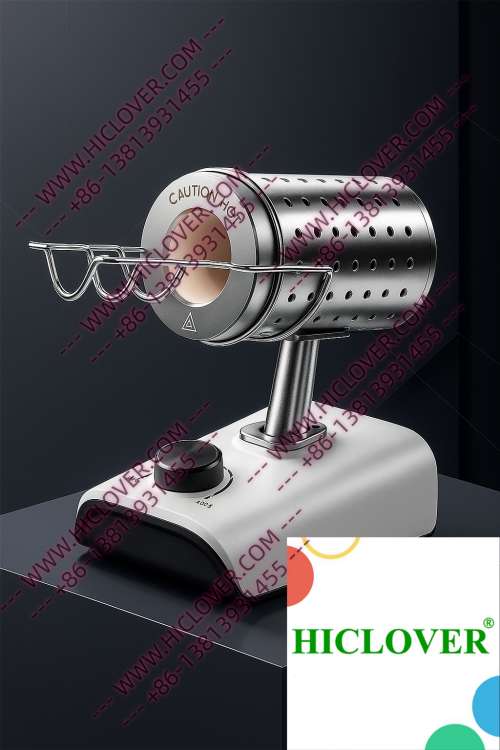
The core operational advantage of a Micro Incinerator lies in its innovative use of infrared heat. Unlike traditional flame sterilizers such as alcohol lamps and Bunsen burners, the Micro Incinerator employs an enclosed ceramic heating chamber that generates rapid thermal sterilization. By utilizing infrared high-temperature disinfection, this device minimizes the risk of aerosol generation and effectively sterilizes inoculating loops and other tools in mere seconds.
The configuration of the Micro Incinerator enhances safety and efficiency in laboratories. Its compact design ensures that it can easily be integrated into various settings—whether within a biosafety cabinet or as part of a mobile field testing lab. The enclosed design not only protects users from direct exposure to flames but also prevents contamination from ambient air, making it a safe choice for clean-bench operations.
Real-World Applications
Micro Incinerators are increasingly vital in various laboratory scenarios. Below are two distinct application settings where these sterilizers demonstrate their effectiveness:
Biosafety Cabinet Operations
In a controlled BSL-2 laboratory environment, researchers rely on Micro Incinerators to maintain a sterile working area. Users can easily sterilize inoculating loops and instruments without disturbing the airflow in the biosafety cabinet. By incorporating a Micro Incinerator into their sterilization workflow, teams can significantly reduce the risk of cross-contamination. This is crucial when dealing with pathogenic microorganisms where any lapse in sterilization can lead to severe implications.
Field Testing Laboratories
Field testing laboratories, where environmental samples are analyzed, often face unique challenges. The portable nature of Micro Incinerators allows researchers to perform rapid sterilization on-site, reducing delays in obtaining results. This capability is especially valuable during mobile health initiatives where efficient contamination control during sample collection and analysis is paramount. Field teams find that rapid sterilization eases the transition between samples, minimizing potential exposure to harmful pathogens.
Compliance and Environmental Considerations
Meeting global and regional biosafety standards for laboratory sterilization is crucial for any responsible laboratory operation. The World Health Organization (WHO) outlines specific laboratory sterilization protocols that laboratories must comply with to manage biological hazards effectively. Moreover, in lab environments such as clean rooms, it’s essential to minimize the use of open flames, which can pose a significant risk of contamination and environmental impact.
Micro Incinerators align with these compliance mandates due to their enclosed structure and flameless operation. Their ability to operate at high temperatures without the need for flammable materials adheres to safety and operational standards, ensuring they can be used confidently across a variety of laboratory settings, including clinical diagnostics and university teaching labs.
Advantages Over Traditional Flame Sterilizers
- Efficiency: Rapid heating allows for quick sterilization, decreasing downtime between procedures.
- Safety: Enclosed design eliminates the dangers associated with open flames.
- Precision: Provides consistent temperature control, ensuring effective disinfection without damage to tools.
- Versatility: Works seamlessly in diverse laboratory settings, from educational institutions to high-security labs.
Comparison: Micro Incinerator vs. Traditional Flame Burners
| Feature | Micro Incinerator | Flame Burners |
|---|---|---|
| Heating Method | Infrared heat | Open flame |
| Sterilization Time | Seconds | Varies |
| Safety Level | High | Moderate |
| Contamination Risk | Minimal | High |
| Environment Impact | Low | High |
Frequently Asked Questions
- What types of applications are best suited for Micro Incinerators?
Micro Incinerators are ideal for BSL-2 and BSL-3 labs, clinical diagnostics, and field testing labs, where rapid and effective sterilization is essential. - How does the Micro Incinerator contribute to laboratory safety?
By eliminating the dangers associated with open flames, their enclosed design minimizes fire hazards and reduces potential contamination sources. - Are Micro Incinerators compliant with international standards?
Yes, Micro Incinerators meet various compliance standards established by WHO, ensuring they can be safely used in health and research facilities worldwide. - Can the Micro Incinerator be used in a cleanroom environment?
Absolutely! The flameless design makes it a perfect fit for cleanroom operations, adhering to strict contamination control protocols. - What is the maintenance requirement for a Micro Incinerator?
Generally, minimal maintenance is required. Regular cleaning and occasional checks on the heating element will ensure optimum performance.
Conclusion
As laboratory environments continue to evolve towards higher standards of safety and efficiency, the Micro Incinerator stands out as a reliable option for professionals seeking effective sterilization solutions. With its rapid thermal sterilization capabilities, compliance with global biosafety standards, and enhanced safety features, it is particularly advantageous for BSL-2 and BSL-3 laboratories, clinical diagnostics, and mobile field labs.
For those interested in upgrading their laboratory sterilization practices, consider integrating the Micro Incinerator into your workflow. Contact us today to learn more about this cutting-edge solution and how it can transform your laboratory operations. Embrace a safer, more efficient future in laboratory sterilization!
Categories:
Tags: