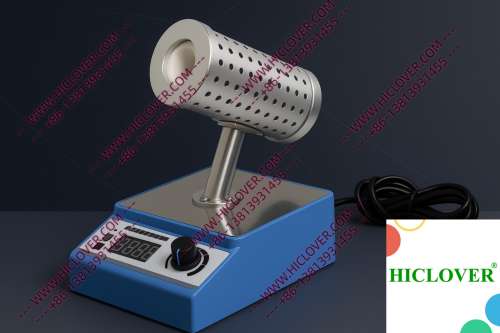
In the fight for environmental sustainability, laboratories face practical biosafety challenges that demand innovative solutions. Lab sterilization workflows must evolve to better align with green initiatives, especially as the UK strives to meet its environmental targets. Among the various laboratory sterilization techniques, micro incinerators, particularly the Micro Incinerator or Infrared Inoculating Loop Sterilizer, stand out for their efficiency and reduced environmental impact.
Understanding Micro Incinerators: A Brief Technical Overview
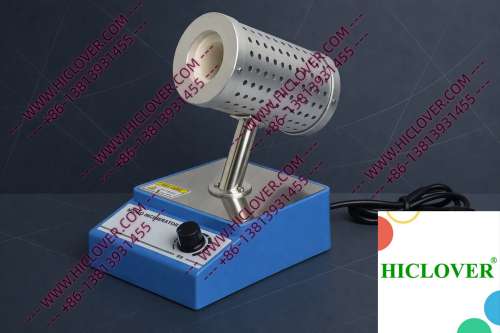
The Micro Incinerator operates on the principle of rapid thermal sterilization using infrared technology. It features a ceramic heating chamber that reaches high temperatures to efficiently disinfect inoculating loops and other instruments. Unlike traditional flame sterilizers, which using alcohol or Bunsen burners can create aerosols and unpredictable flame hazards, the Micro Incinerator offers a clean, enclosed solution. This reduces contamination risks and is safe for use in sterile environments such as clean rooms.
Applications in Real Labs
- Biosafety Cabinets: In BSL-2 and BSL-3 laboratories where the handling of pathogenic microbes is routine, the Micro Incinerator provides a safe and efficient way to sterilize instruments without creating harmful aerosols. The infrared heat source minimizes cross-contamination risks, allowing researchers to focus on their work without the distraction of managing open flames.
- Field Testing Labs: Mobile laboratories conducting field tests particularly benefit from the Micro Incinerator’s portability. These devices can sterilize instruments on-site, ensuring that samples collected in various environments are not compromised. This is especially crucial for clinical diagnostics and environmental assessments in remote locations.
Compliance and Environmental Standards
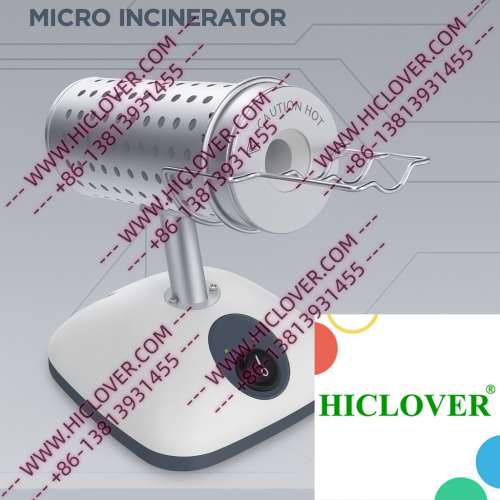
Adhering to biosafety standards is paramount in laboratory operations. The WHO biohazard guidelines emphasize the importance of effective sterilization methods to control microbial contamination. In the UK, compliance with ISO standards for laboratory sterilization ensures that practices not only meet safety requirements but also support wider environmental goals. Notably, the Micro Incinerator’s design eliminates the need for flame, making it ideal for use in clean rooms and other sensitive environments where aerosol generation must be minimized.
Comparison Table: Micro Incinerator vs. Flame Burners
| Features | Micro Incinerator | Flame Burners |
|---|---|---|
| Heat Source | Infrared | Open Flame |
| Safety | Enclosed, Aerosol-Free | Risk of Flames/Aerosols |
| Portability | Highly Portable | Limited by Fuel Source |
| Environmental Impact | Low | Higher Carbon Emission |
| Ease of Use | Simple One-Step Process | Requires Monitoring |
Market Needs and Innovations
As the UK prioritizes environmental sustainability, there is an increasing demand for advanced laboratory equipment that aligns with these goals. The Micro Incinerator is tailored to meet these needs by providing an efficient, eco-friendly alternative to traditional flame sterilizers. This is particularly crucial in university teaching labs, where training new generations of scientists on best practices can have a lasting impact on environmental stewardship.
FAQs
- What is a Micro Incinerator? A Micro Incinerator is a laboratory sterilization device that uses infrared heat for rapid thermal sterilization of inoculating loops and small instruments.
- How does it differ from traditional flame sterilizers? Unlike flame sterilizers, the Micro Incinerator provides a more controlled environment with no open flames, significantly reducing aerosol production and contamination risks.
- Is the Micro Incinerator safe for use in clean rooms? Yes, its enclosed design makes it suitable for clean rooms, complying with biosafety regulations and minimizing contamination.
- Where can Micro Incinerators be applied? They are versatile and can be used in biosafety cabinets, field testing labs, and university teaching laboratories.
- Can using a Micro Incinerator help with environmental compliance? Yes, as it reduces carbon emissions compared to traditional flame sterilizers, contributing to the UK’s environmental targets.
Conclusion
Adopting Micro Incinerators, such as the Infrared Inoculating Loop Sterilizer, represents a significant advancement in laboratory sterilization practices. It not only enhances operational safety and efficiency but also aligns laboratory workflows with the broader environmental objectives of the UK. Institutions looking to enhance their sterilization practices, while supporting green initiatives, should consider integrating micro incinerators into their workflows. For more information on Micro Incinerators and how they can revolutionize your laboratory practices, please reach out to us today!
Categories:
Tags: