
In the bustling environment of laboratories across Cape Town, the pressure to maintain biosafety and streamline sterilization workflows is ever-increasing. Researchers and technicians are faced with the daunting challenge of ensuring the complete eradication of contaminants while optimizing their processes to meet the high demands of modern-day laboratory practices. One of the key players in addressing these challenges is the Micro Incinerator, an essential tool that offers a reliable and sustainable approach to waste management and sterilization.
Technical Principles of Micro Incinerators
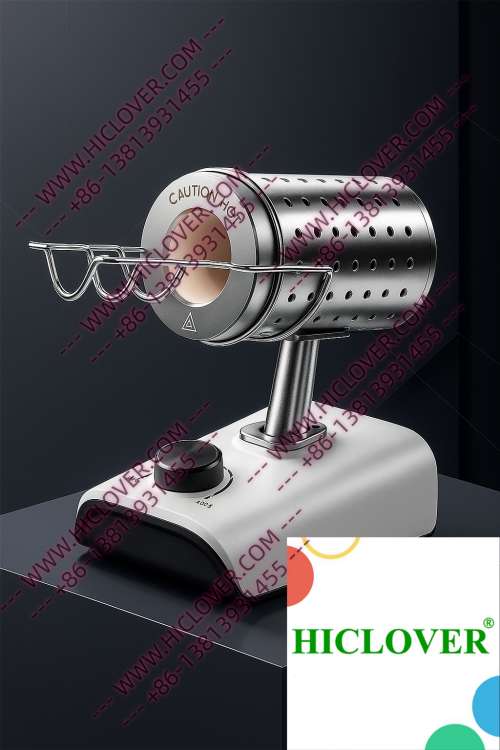
The Micro Incinerator operates on a patented principle that leverages infrared heat to achieve rapid thermal sterilization. This high-temperature disinfection is facilitated by a ceramic heating chamber that efficiently incinerates biological materials without the release of harmful aerosols. The enclosed design of the device not only enhances safety but also helps in maintaining a clean and controlled laboratory environment, making it ideal for use within biosafety cabinets.
Comparison Table: Micro Incinerator vs. Traditional Flame Sterilizers
| Feature | Micro Incinerator | Traditional Flame Sterilizers |
|---|---|---|
| Operating Principle | Infrared heat | Bunsen burner or alcohol lamp |
| Safety | No open flame; aerosol-free | Open flame; risk of fire hazards |
| Speed | Rapid thermal sterilization | Varies; may require longer exposure |
| Maintenance | Low; easy to clean | Higher due to soot and residue |
Application Scenarios in Real Laboratories
1. Biosafety Cabinets
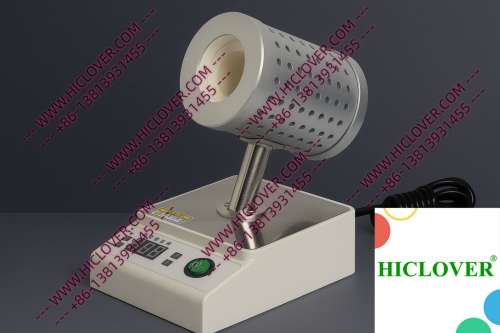
In BSL-2 and BSL-3 microbiology labs, where the handling of potentially infectious agents is routine, the Micro Incinerator serves as a critical component of contamination control. By utilizing infrared inoculating loop sterilizers, laboratory personnel can quickly sterilize tools and materials while minimizing the risk of contaminating sterile surfaces or samples. The closed nature of the device prevents the escape of aerosols, ensuring compliance with stringent biosafety protocols.
2. Field Testing Laboratories
Field laboratories often grapple with the challenges of maintaining sterile environments. Here, the portability and efficiency of the Micro Incinerator stand out. It offers researchers the ability to conduct microbial testing and analysis on-site without the need for open flames, thereby adhering to safety standards even in outdoor settings. This ensures both researcher safety and the integrity of sample integrity during transport and analysis.
Compliance with Biosafety Standards
The sterilization of laboratory equipment is governed by various international and local biosafety standards, particularly the guidelines provided by the World Health Organization (WHO). These standards dictate stringent measures for managing contamination risks, especially in settings like clean rooms where open flames are prohibited. Using Micro Incinerators complies with these regulations, thanks to their effective sterilization capabilities without the need for flame, making them a preferred choice in modern laboratory settings.
Furthermore, these devices integrate seamlessly into existing laboratory workflows and are compatible with practices commonly employed in clinical diagnostics and research, thereby enhancing operational efficiency while complying with safety standards.
Benefits of Adopting Micro Incinerators
- Enhanced Safety: The absence of open flames mitigates fire risks, making it ideal for sensitive environments.
- Efficiency: Quick sterilization processes allow researchers to maintain productivity without compromising on safety.
- Eco-Friendly: Reduced waste generation associated with traditional sterilization methods enhances laboratory sustainability.
- Easy Maintenance: The simple design and non-combustible materials facilitate easy cleaning and low maintenance.
Frequently Asked Questions
What is the maximum temperature a Micro Incinerator can achieve?
The Micro Incinerator can reach temperatures exceeding 800°C, ensuring effective sterilization of inoculating loops and other laboratory tools.
Is the Micro Incinerator safe to use in a biosafety cabinet?
Yes, the design of the Micro Incinerator is optimized for safe usage within biosafety cabinets, minimizing risks associated with open flames.
How does the Micro Incinerator help with waste reduction?
By efficiently incinerating biological materials and preventing contamination, Micro Incinerators significantly reduce the volume of waste that needs to be handled and disposed of.
Can the Micro Incinerator be used in field laboratories?
Absolutely! Its portable design and efficient sterilization capabilities make it perfect for mobile laboratory applications.
What materials can be sterilized with a Micro Incinerator?
Micro Incinerators are effective for sterilizing inoculating loops, needles, and other small laboratory tools that require rapid disinfection.
Conclusion
Incorporating Micro Incinerators into Cape Town’s laboratories not only addresses the critical challenges of biosafety and waste management but also enhances operational efficiencies significantly. With their compliant design, rapid sterilization capabilities, and user-friendly features, Micro Incinerators represent the future of laboratory sterilization equipment. For distributors, hospitals, universities, and research centers interested in enhancing their sterilization processes, we invite you to contact us for further information and procurement opportunities.