
In modern laboratories, the challenges of biosafety and sterilization workflows are a constant concern. Ensuring effective sterilization while minimizing contamination risks is paramount for lab safety, particularly in sectors dealing with high-stakes microbiological research or clinical diagnostics. Here, we spotlight the Micro Incinerator / Infrared Inoculating Loop Sterilizer, a leading solution transforming laboratory sterilization practices.
Understanding the Micro Incinerator
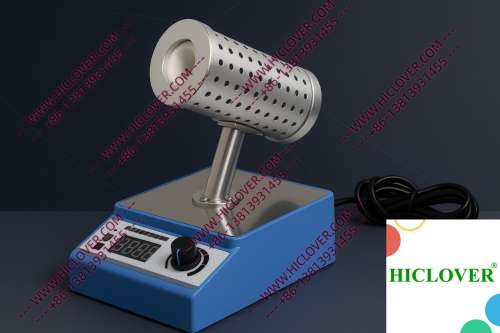
The Micro Incinerator operates on the principle of rapid thermal sterilization using infrared heat. This advanced apparatus employs a ceramic heating chamber that achieves high temperatures to effectively eliminate microorganisms in seconds. Unlike traditional flame sterilizers like alcohol lamps and Bunsen burners, the Micro Incinerator utilizes a safe, enclosed configuration that significantly reduces the risk of flame exposure. This design not only offers compactness—ideal for ancillary settings such as biosafety cabinets—but also ensures consistent and efficient contamination control.
Application Scenarios in Real Labs
The Micro Incinerator has already showcased its versatility in various laboratory settings. Here are two illustrative scenarios:
1. Biosafety Cabinets in BSL-2 Laboratories
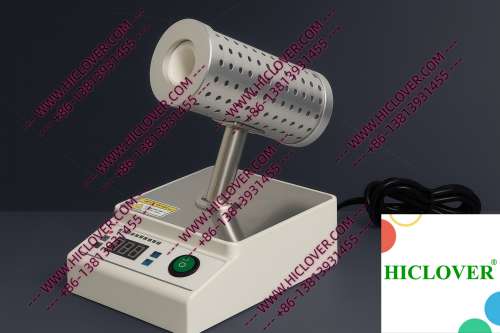
In BSL-2 microbiology labs, where researchers handle moderate-risk pathogens, the Micro Incinerator serves as an integral part of sterilization protocols. When researchers are working in biosafety cabinets, the ventilated design of the Micro Incinerator supports clean-bench-safe operation. The infrared sterilizer ensures that inoculating loops and other tools can be sterilized without the hazards associated with an open flame. Not only does the infrared heating provide rapid high-temperature disinfection, but it also eliminates aerosol formation, which can compromise the sterile environment.
2. Teaching Labs in University Settings
University teaching labs exemplify another critical application. When students learn microbiological techniques, a safe and efficient sterilization process is essential. The Micro Incinerator is a perfect fit for this educational scenario, allowing students to practice with reduced risks. The consistent heating and easy operability of this device encourage meticulous technique application without the fear of unexpected flare-ups from traditional burners. With an increasing focus on safety and compliance in academic institutions, the Micro Incinerator also meets education regulations effectively.
Biosafety Compliance and Environmental Consideration
In light of stringent global standards, compliance with biosafety regulations has never been more critical. The World Health Organization (WHO) emphasizes the need for safe laboratory practices, particularly in laboratories managing infectious agents. This has led to a preference for sterilization methods that do not add combustion pollutants to the environment, which traditional flame sterilizers often do.
The Micro Incinerator excels in this regard by wholly avoiding flame, aligning with lab sterilization standards that require non-flammable operations within clean rooms and high-containment facilities. Furthermore, in places like Europe or North America, adherence to guidelines from organizations like the CDC and OSHA presents additional validation for labs switching to this technology.
Advantages Over Traditional Flame Sterilizers
When comparing the Micro Incinerator to traditional flame sterilizers, several advantages stand out:
- Safety: No open flames prevent fire hazards and burns.
- Efficiency: Rapid thermal sterilization achieves complete disinfection in seconds.
- Ease of Use: Simplified operation allows for quick sterilization without complex setups.
- Cleanliness: Reduces the potential for ambient contamination compared to flame methods.
- Portability: Compact design facilitates use across different lab setups.
Comparison Table: Micro Incinerator vs. Flame Burners
| Feature | Micro Incinerator | Flame Burners |
|---|---|---|
| Heat Source | Infrared Heating | Open Flame |
| Response Time | Instantaneous | Variable |
| Risk of Burn | Low | High |
| Contamination Risk | Aerosol-Free | Potential |
| Ease of Operation | User-Friendly | Requires Skill |
FAQs
What are the main benefits of using a Micro Incinerator?
The Micro Incinerator provides rapid thermal sterilization, improved safety with no flame, and reduced contamination risk, making it ideal for various laboratory settings.
How does the Infrared Inoculating Loop Sterilizer work?
This device uses infrared heat to sterilize inoculating loops efficiently, achieving high temperatures that ensure the destruction of microorganisms.
Can the Micro Incinerator be used in BSL-3 laboratories?
Yes, the Micro Incinerator is compliant with safety regulations and can be safely used in BSL-3 settings without the inherent risks associated with open flames.
Is it easy to operate the Micro Incinerator in teaching labs?
Absolutely! The simplicity of operation allows students to focus on mastering techniques without the added complexity of flame sterilization.
Conclusion
As laboratory standards continue to evolve, the transition from open flame sterilization techniques to advanced microbiology sterilizers like the Micro Incinerator becomes increasingly beneficial. Its efficient and safe design aligns perfectly with biosafety protocols, making it a vital asset in any lab environment. For laboratories aiming to enhance safety and compliance, considering a Micro Incinerator may be the key to elevating your sterilization practices. Contact us today to explore options that suit your laboratory needs.
Categories:
Tags: