
In today’s laboratory environments, ensuring biosafety is paramount. Laboratories face numerous challenges regarding contamination control and sterilization workflows. Traditional methods, such as flame sterilizers, can introduce risks associated with combustion, aerosol dispersion, and inconsistent disinfection. To combat these challenges, many facilities are turning to advanced sterilization equipment like Micro Incinerator / Infrared Inoculating Loop Sterilizers.
Technical Principles of Infrared Sterilizers
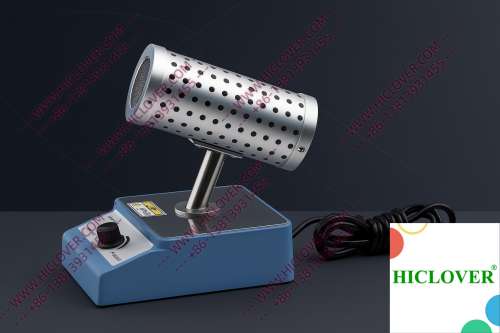
The Micro Incinerator utilizes rapid thermal sterilization through a ceramic heating chamber and infrared heat technology. This innovative device generates a consistent and high-temperature source of heat, effectively decontaminating inoculating loops, needles, and other small instruments. Unlike flame-based methods, the enclosed design of these sterilizers minimizes risks associated with aerosol formation, making them ideal for use in biosafety cabinets and cleanroom environments.
Applications in Real Laboratories
1. University Teaching Labs
In university teaching laboratories, maintaining a safe environment for students is essential. Many institutions have integrated Micro Incinerators into their curriculum-driven microbiology labs. These sterilizers provide an efficient means for students to practice aseptic techniques without the hazards associated with open flames. For example, students learning microbiological culturing can use these sterilizers to quickly and effectively sterilize loops between transfers, ensuring valuable lessons in contamination prevention.
2. BSL-2 Clinical Diagnostics Labs
In the context of Biological Safety Level 2 (BSL-2) labs, the importance of rigorous sterilization protocols cannot be overstated. These laboratories handle moderately hazardous agents, necessitating stringent compliance with biosafety standards. Micro Incinerators contribute to a clean-bench-safe environment by ensuring that tools are adequately sterilized without the risk of flame related incidents. Facilities in cities like Boston leverage these devices to maintain compliance with the World Health Organization (WHO) biosafety standards and local regulations, enhancing their operational safety.
Compliance and Environmental Considerations
Adhering to proper laboratory sterilization standards is not just about maintaining safety; it’s also about compliance. Facilities are bound by regulations established by agencies such as the WHO and the CDC. These regulations often highlight the need for no flame environments when working in cleanrooms or sensitive spaces to eliminate hazards associated with flames. The use of Micro Incinerators aligns with these compliance requirements while also allowing laboratories to maintain a high level of contamination control.
- Enhanced safety in BSL-2 and BSL-3 environments.
- Minimization of contamination through aerosol-free handling.
- Effective tool sterilization without open flames.
Features and Advantages Over Traditional Flame Sterilizers
| Feature | Micro Incinerator | Flame Burners |
|---|---|---|
| Heating Mechanism | Ceramic infrared technology | Open flame |
| Contamination Control | Minimum aerosol dispersion | Higher risk of aerosol and flame errors |
| Safety | No open flames | Fire hazards |
| Speed of Sterilization | Rapid thermal sterilization | Varies with flame intensity |
FAQs
What is a Micro Incinerator?
A Micro Incinerator is a compact and efficient infrared inoculating loop sterilizer that quickly decontaminates laboratory tools without the use of an open flame.
How does infrared sterilization work?
This method uses focused infrared heat to rapidly raise the temperature of the tool, ensuring effective sterilization by destroying microorganisms.
What types of labs benefit from using Micro Incinerators?
Both BSL-2 clinical diagnostics labs and university teaching labs find immense value in using Micro Incinerators for their sterilization needs.
Are Micro Incinerators compliant with biosafety standards?
Yes, they meet the biosafety standards set by organizations like the WHO, making them suitable for use in sensitive laboratory environments.
What are the advantages of Micro Incinerators compared to traditional methods?
Micro Incinerators offer a safer, more consistent, and effective sterilization process while eliminating the risks associated with open flames.
Concluding Thoughts
The transition from traditional flame sterilizers to modern Micro Incinerator / Infrared Inoculating Loop Sterilizers signifies a substantial leap forward in laboratory safety and efficiency. Addressing the sterilization workflow demands of today’s laboratories, this innovative equipment not only enhances biosafety compliance but also improves the overall laboratory experience. For laboratories aiming to boost their sterilization protocols, we encourage you to explore our high-quality Micro Incinerators and join the movement towards a safer and more efficient future. Contact us today for more information!
Categories:
Tags: