
In the fast-evolving world of clinical diagnostics, laboratories constantly face stringent biosafety challenges and the demands for efficient sterilization workflows. Traditional methods of sterilization, such as using alcohol lamps or Bunsen burners, come with safety concerns, operational inefficiencies, and the risk of contamination. As laboratory environments seek to enhance sterilization practices, the integration of advanced equipment, particularly the Micro Incinerator or Infrared Inoculating Loop Sterilizer, has emerged as a game-changer.
The Advantages of Micro Incinerators
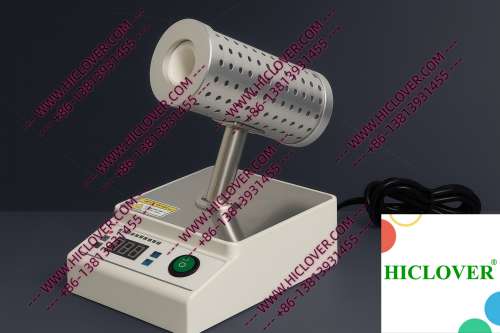
Micro Incinerators are designed to provide rapid thermal sterilization through infrared heating mechanisms. These innovative sterilization devices utilize a ceramic heating chamber that achieves high temperatures in seconds, making them ideal for eliminating biological contaminants. Unlike traditional flame sterilizers, Micro Incinerators offer:
- Safety: The flame-free design minimizes the risk of burns and fire hazards in clean room environments.
- Efficiency: Instant heating allows for quick turnaround times, facilitating uninterrupted workflows.
- Control: Enclosed systems reduce aerosol generation, making them suitable for sensitive operations.
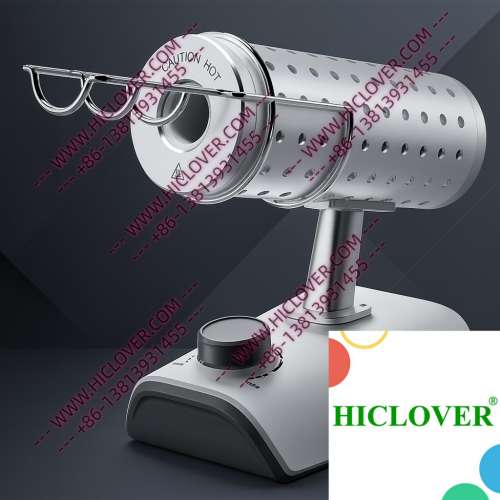
Application Scenarios in Real Labs
The implementation of Micro Incinerators can be exemplified in various laboratory settings. Here are two compelling application scenarios:
1. Biosafety Cabinet Operations
In BSL-2 and BSL-3 microbiology labs, where the risk of pathogenic exposure is significant, using Micro Incinerators presents a perfect solution. Laboratories can mount these sterilizers directly within biosafety cabinets to ensure that tools like inoculating loops are sterilized efficiently without compromising the sterile environment. This integration promotes contamination control while maintaining compliance with safety protocols.
2. University Teaching Labs
In teaching laboratories, safeguarding students’ health is paramount. Micro Incinerators can be utilized in educational institutions to sterilize instruments quickly during microbiology practicals. Providing students with access to modern sterilization technology enhances their learning experiences while ensuring compliance with laboratory sterilization standards. Moreover, the aerosol-free handling eliminates the risk of potentially hazardous airborne pathogens.
Compliance with Biosafety Standards
Adhering to regulations set forth by organizations such as the WHO is crucial for any laboratory. Using Micro Incinerators aligns with biosafety guidelines by ensuring the elimination of harmful pathogens without introducing flame hazards into clean room environments. Additionally, the certification of these devices is essential, as they play a critical role in ensuring labs maintain the highest safety and operational standards.
Comparison of Micro Incinerators vs. Flame Sterilizers
Below is a comparison table that highlights the advantages of Micro Incinerators over traditional flame sterilizers:
| Feature | Micro Incinerator | Flame Sterilizer |
|---|---|---|
| Heating Mechanism | Infrared Thermal Energy | Open Flame |
| Safety | Flame-Free | Fire Hazard |
| Contamination Control | Aerosol-Free Handling | Potential for Spillage |
| Warm-Up Time | Instant | Longer |
Conclusion
The successful implementation of Micro Incinerators in laboratories, especially in diagnostic settings, exemplifies the evolution of biosafety and sterilization practices. By improving efficiency and safety, these devices not only enhance operational workflows but also ensure compliance with critical biosafety standards. As laboratories strive to meet higher operational demands, the Micro Incinerator stands out as a pivotal asset.
If you are looking to upgrade your lab’s sterilization capabilities or want to learn more about the benefits of integrating Micro Incinerators, we invite you to contact us for further insights and purchasing options.
FAQs
1. What is the principle behind the Micro Incinerator’s operation?
The Micro Incinerator employs infrared heating technology within an enclosed ceramic tube, achieving rapid thermal sterilization without the use of flame.
2. Can Micro Incinerators be used in BSL-2 laboratories?
Yes, Micro Incinerators are designed for BSL-2 and even BSL-3 laboratories, providing a safe and effective method for sterilizing lab instruments without introducing fire hazards.
3. How does the Micro Incinerator improve workflows in teaching labs?
By allowing quick and efficient sterilization during practical sessions, it enhances learning experiences while maintaining safety protocols.
4. Are Micro Incinerators compliant with WHO standards?
Yes, Micro Incinerators comply with WHO biosafety standards and laboratory sterilization guidelines, ensuring safe and effective operations.
5. What are the key benefits of switching to a Micro Incinerator from traditional flame sterilizers?
The key benefits include safety, efficiency, better contamination control, and instant heating, making it an ideal solution for modern laboratories.
Categories:
Tags: