
In the realm of laboratory work, safely handling biological materials poses significant challenges. Researchers face numerous threats from pathogens and contaminants, necessitating the use of highly effective sterilization equipment. To meet these demands, the Micro Incinerator, or Infrared Inoculating Loop Sterilizer, emerges as a pivotal tool for maintaining rigorous contamination control and efficient workflow.
Understanding the Micro Incinerator: Technical Principles and Configuration
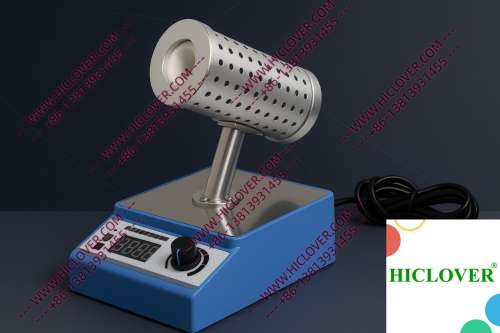
The Micro Incinerator operates on the principle of rapid thermal sterilization. Utilizing infrared radiation, it generates intense heat within an enclosed ceramic tube to quickly sterilize inoculating loops and other small laboratory instruments. This design eliminates the use of open flames, thereby minimizing the aerosol risks associated with flame sterilizers like alcohol lamps and Bunsen burners.
When the device is activated, infrared heat penetrates the materials, ensuring uniform high-temperature disinfection. This approach provides a clean, extinguished environment, crucial for routine lab procedures. The sterilizer’s compact configuration makes it ideal for biosafety cabinets, enhancing safety protocols inherent in BSL-2 and BSL-3 microbiology labs.
Applications of Micro Incinerators in Real Labs
Micro Incinerators are versatile and have found critical applications across various laboratory settings:
- Clinical Diagnostics: In diagnostics labs, maintaining sample integrity is paramount. Using a Micro Incinerator enables rapid and safe sterilization of inoculation tools, supporting accurate microbial analyses without the risk of contamination.
- University Teaching Labs: Educational institutions utilize these sterilizers for practical training in microbiology courses. Students can quickly and safely sterilize loops and transfer instruments, enhancing hands-on learning experiences while adhering to safety protocols.
Compliance and Environmental Considerations
Compliance with biosafety standards is a priority for laboratories worldwide, governed by organizations such as the World Health Organization (WHO). The safety of workers and the environment is paramount, particularly when dealing with pathogenic organisms.
Using a Micro Incinerator supports compliance with lab sterilization standards by providing a no-flame solution, critical in cleanroom environments where ignition sources must be minimized. This sterilizer complements biosafety cabinets by creating a safe sterilization area without introducing combustible risks associated with traditional flame methods.
Comparative Analysis: Micro Incinerator vs. Traditional Flame Sterilizers
| Feature | Micro Incinerator | Flame Sterilizers |
|---|---|---|
| Heat Source | Infrared | Open Flame |
| Safety | No risk of flare-ups | Potential for fire hazards |
| Efficiency | Rapid sterilization | Longer sterilization time |
| Ease of Use | Clean, compact | Requires flammable materials |
Enhancing Laboratory Workflow with Innovative Sterilization Equipment
For laboratories aiming to improve their sterilization workflow, the adoption of a Micro Incinerator is a strategic move that can optimize productivity. This streamlined approach alleviates the time-consuming aspects of traditional sterilization, allowing for greater focus on critical experimentation and research.
Furthermore, its compact design integrates well within biosafety cabinets, providing a designated sterilization area that complements the controlled environment. This organization for sterilization minimizes disruption while adhering to strict bio-safety protocols, thus increasing overall efficiency.
FAQs About Micro Incinerators
- What is the main advantage of a Micro Incinerator compared to flame sterilizers?
Micro Incinerators offer superior safety by eliminating open flames, reduce sterilization time, and are designed to fit seamlessly into laboratory workflows. - Are Micro Incinerators suitable for all types of laboratories?
Yes, they are ideal for clinical diagnostics, university teaching labs, and even field testing environments where hygiene and rapid sterilization are critical. - How do I maintain a Micro Incinerator?
Regular cleaning of the ceramic heating chamber and periodic inspections are advised to ensure optimal performance and safety. - What temperature does a Micro Incinerator achieve?
The device can typically reach temperatures exceeding 850°C, sufficient for effective sterilization of biological materials. - Can the Micro Incinerator be used in a cleanroom?
Absolutely! Its no-flame operation aligns with cleanroom standards, providing a safe sterilization method within controlled environments.
Conclusion: Elevate Your Laboratory’s Sterilization Standards Today
Choosing the right sterilization equipment, such as the Micro Incinerator or Infrared Inoculating Loop Sterilizer, can significantly enhance laboratory safety and efficiency. As the challenges for biosafety and contamination control continue to evolve, investing in advanced sterilization solutions is essential for achieving compliance and improving workflow.
For inquiries or to explore your options for high-quality Micro Incinerators, feel free to contact us. Together, we can elevate your laboratory’s sterilization standards and ensure a safer work environment for all.
Categories:
Tags: