
In today’s fast-paced scientific environment, laboratories face numerous biosafety challenges, including the need for effective sterilization processes that ensure contamination control. Whether you are working in a BSL-2 microbiology lab, a university teaching laboratory, or conducting mobile testing in the field, selecting the right sterilization equipment is critical to your workflow. Among the various options available, the Micro Incinerator or Infrared Inoculating Loop Sterilizer stands out as a sophisticated solution tailored for modern laboratory requirements.
Understanding the Micro Incinerator: Technical Principles
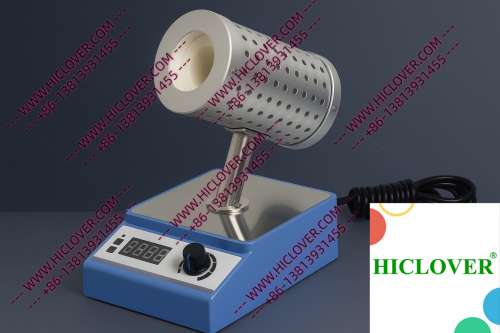
The Micro Incinerator utilizes infrared heat to achieve rapid thermal sterilization of inoculating loops, pins, and other laboratory tools. This apparatus is designed with an enclosed ceramic heating chamber which provides a controlled environment for sterilization. When the sterilizer is activated, it generates intense infrared radiation that rapidly elevates the temperature of tools placed within the chamber.
Unlike traditional flame sterilizers, such as alcohol lamps and Bunsen burners, the Micro Incinerator offers a flame-free operation that minimizes aerosol generation—a critical feature for maintaining a clean-workbench-safe environment. The effects reduce the risk of unintended combustion and enhance safety for laboratory personnel, making it an essential device in settings where the integrity of clean air and contamination control is paramount.
Application Scenarios: Micro Incinerators in Real Laboratories
1. Biosafety Cabinet Workflow: In a BSL-2 laboratory setting focused on microbiological research, a Micro Incinerator can be integrated within a biosafety cabinet to streamline sterilization processes. Laboratory technicians can efficiently sterilize inoculating loops between experiments without leaving the safety of the cabinet. This reduces contamination risks and adheres to strict biosafety protocols.
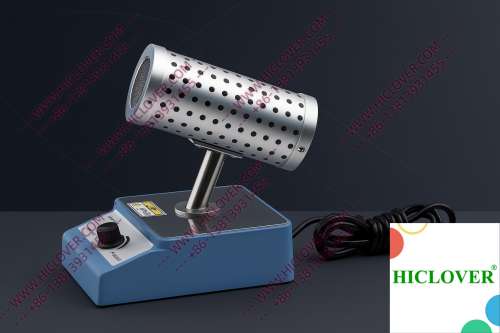
2. University Teaching Laboratories: In educational institutes, the Micro Incinerator serves as an excellent teaching tool for microbiology classes. Students can observe practical sterilization techniques while ensuring safety through its non-flame design. It allows for hands-on learning about contamination control while reducing the hazards associated with using open flames in laboratory environments.
Compliance and Environmental Considerations in Laboratory Sterilization
When selecting sterilization equipment, compliance with laboratory sterilization standards is non-negotiable. The World Health Organization (WHO) outlines stringent biosafety guidelines that laboratories must adhere to. The Micro Incinerator meets these requirements by providing high-temperature disinfection without the safety risks associated with flame sterilizers. Additionally, its operation does not produce open flames, thus making it suitable for clean rooms and environments sensitive to dust, chemicals, and bacteria.
Operational awareness of laboratory layouts, particularly in the context of cleanbench-safe zones, further enhances the Micro Incinerator’s relevance. It effectively supports sterile operations in various lab types as well as field testing, ensuring that sterilization methods remain compliant with industry standards.
Benefits of the Micro Incinerator Over Traditional Flame Sterilizers
- Safety: Eliminates open flames, reducing the risk of fires and injuries.
- Efficiency: Rapid thermal sterilization speeds up workflows significantly.
- Contamination Control: Infrared heat minimizes aerosol generation during sterilization.
- Ease of Use: User-friendly design with minimal maintenance requirements.
- Versatility: Suitable for various lab environments, including BSL-2 and BSL-3 settings.
Frequently Asked Questions (FAQs)
- What types of laboratories benefit most from using a Micro Incinerator?
Laboratories involved in microbiology, teaching, and high-containment environments such as BSL-2 and BSL-3 facilities can maximize their sterilization efficiency by using a Micro Incinerator. - How does the Micro Incinerator ensure temperature consistency?
The enclosed ceramic tube mechanism allows for uniform heat distribution, thus ensuring all instruments reach the required sterilization temperature rapidly. - Can the Micro Incinerator be used for other laboratory equipment?
While primarily designed for inoculating loops, some models can accommodate other small tools needing sterilization, subject to the manufacturer’s specifications. - Is maintenance required for a Micro Incinerator?
Yes, regular cleaning of the ceramic heating chamber and periodic checks on the power supply are recommended to ensure optimal performance. - What safety features are included in a Micro Incinerator?
The device is designed to minimize risks associated with flames, including automatic cutoff features that activate once the sterilization process completes.
Conclusion
Choosing the right biosafety workstation sterilizer for your laboratory can significantly impact your workflow, safety, and compliance with biosafety standards. The Micro Incinerator / Infrared Inoculating Loop Sterilizer is an excellent choice, as it not only meets the sterilization needs of various labs but also enhances user safety and efficiency.
If you’re looking for a reliable and efficient sterilization solution, consider investing in a Micro Incinerator. For further information or to discuss your specific laboratory requirements, contact us today to learn more about our offerings and how they can boost your laboratory’s operational efficiency.
Categories:
Tags: