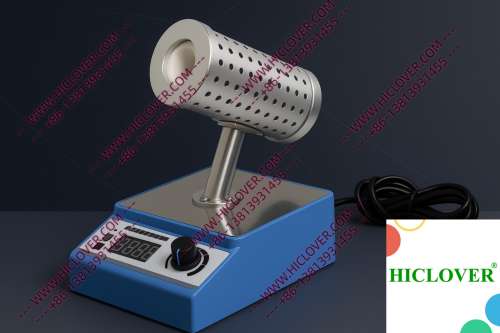
Every laboratory faces the critical challenge of maintaining effective biosafety standards while ensuring efficient sterilization processes. The evolution of sterilization equipment has brought forth advanced technologies that respond to the stringent demands of laboratory workflows. Among these, the Micro Incinerator or Infrared Inoculating Loop Sterilizer stands out for its capability to deliver rapid thermal sterilization, fostering contamination control without the limitations often associated with traditional flame-based methods.
Understanding the Technical Principles of Infrared Loop Sterilizers
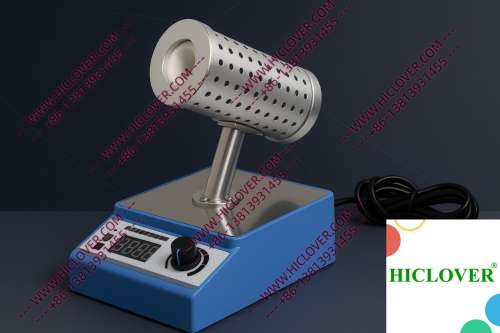
The Micro Incinerator utilizes infrared heating elements that achieve rapid and consistent high temperatures within an enclosed ceramic tube. This design promotes uniform heat distribution, effectively sterilizing inoculating loops in just a few seconds. Unlike conventional alcohol lamps and Bunsen burners, which can introduce unwanted contaminants and aerosols into clean environments, the infrared sterilizer maintains a clean-bench-safe environment by minimizing particulate dispersion.
Applications in Real Laboratory Settings
Biosafety Cabinets
In BSL-2 and BSL-3 microbiology labs, the need for contamination-free handling is paramount. The Micro Incinerator can seamlessly integrate into biosafety cabinets, allowing researchers to decontaminate inoculating loops while performing sensitive experiments involving pathogenic microorganisms. Its compact design ensures that it occupies minimal workspace, allowing for maximum efficiency and safety.
University Teaching Labs
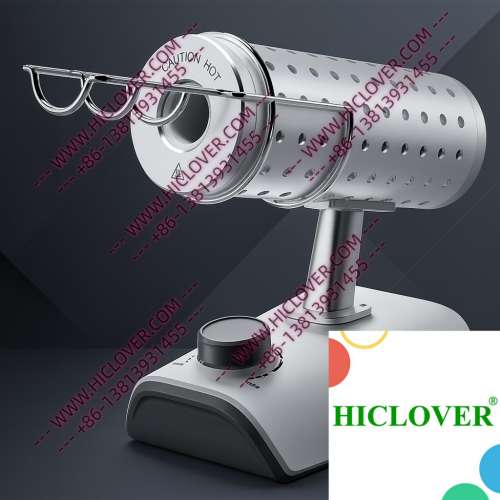
In educational settings, such as university microbiology courses, students require hands-on experience with sterilization techniques. The user-friendly operation of the Micro Incinerator enhances the learning experience by providing instant feedback through its temperature control features. This direct engagement cultivates a deeper understanding of sterile techniques among students while ensuring safety in the lab.
Compliance with Biosafety and Laboratory Standards
Adhering to global biosafety regulations is imperative for laboratory operations. The World Health Organization’s (WHO) biosafety standards highlight the importance of minimizing contamination risks in lab settings. Traditional flame sterilizers can pose significant hazards, including the risk of fire and aerosol generation, which are problematic in clean or confined environments. Infrared loop sterilizers provide a compliant alternative that ensures effective sterilization without compromising lab safety.
Advantages of Micro Incinerators Over Traditional Flame Sterilizers
- Enhanced Safety: Infrared sterilizers eliminate the risks associated with open flames and flammable materials.
- Efficient Heat Distribution: The enclosed ceramic heating chamber offers even and rapid heating, reducing sterilization time.
- Aerosol-Free Operation: Minimized aerosol production enhances the safety and cleanliness of the working environment.
- Portability: Many models are lightweight, making them ideal for mobile labs and field testing scenarios.
Micro Incinerator vs. Flame Sterilizers: A Comparison Table
| Feature | Micro Incinerator | Flame Sterilizer |
|---|---|---|
| Heat Source | Infrared | Open Flame |
| Contamination Risk | Low | High |
| Speed of Sterilization | Seconds | Varies (more time-consuming) |
| Safety | High (no open flames) | Moderate |
| Ease of Use | User-friendly | Requires skill |
Frequently Asked Questions
- What makes a Micro Incinerator more suitable for clean environments than a traditional flame sterilizer?
The Micro Incinerator offers aerosol-free handling, minimizing contamination risks associated with open flames. - How quickly can the sterilization process be completed using an Infrared Inoculating Loop Sterilizer?
The sterilization process typically takes just a few seconds, significantly improving workflow efficiency. - Are Micro Incinerators compliant with WHO biosafety standards?
Yes, Micro Incinerators are designed to meet stringent biosafety standards, offering a safe alternative to traditional methods. - Can Micro Incinerators be used in field testing labs?
Absolutely, their lightweight and portable design makes them ideal for use in mobile or field testing applications. - What types of labs benefit most from using a Micro Incinerator?
BSL-2 and BSL-3 microbiology labs, clinical diagnostics facilities, and educational teaching labs can all benefit significantly from this equipment.
Conclusion
In conclusion, selecting the right sterilization equipment is crucial for any laboratory aiming to uphold biosafety and efficiency standards. The Micro Incinerator/Infrared Inoculating Loop Sterilizer not only simplifies the sterilization process but also enhances safety within the lab environment. Whether you’re working in a university teaching lab, a clinical diagnostics facility, or a field testing environment, investing in modern sterilization technology is key to fostering a safe and productive laboratory workspace. For inquiries or to make a purchase, please reach out to us today!
Categories:
Tags: