
In the world of laboratory safety and biocontainment, ensuring that all microbial and viral agents are effectively neutralized is paramount. Teaching laboratories face unique challenges that require reliable sterilization equipment, especially given their role in educating future scientists. Traditional flame sterilizers, such as alcohol lamps and Bunsen burners, have long been staples in laboratory settings. However, the emergence of Infrared Inoculating Loop Sterilizers, like Micro Incinerators, represents a shift toward more effective, safer, and cleaner methods of sterilization.
The Practical Laboratory Biosafety Challenges
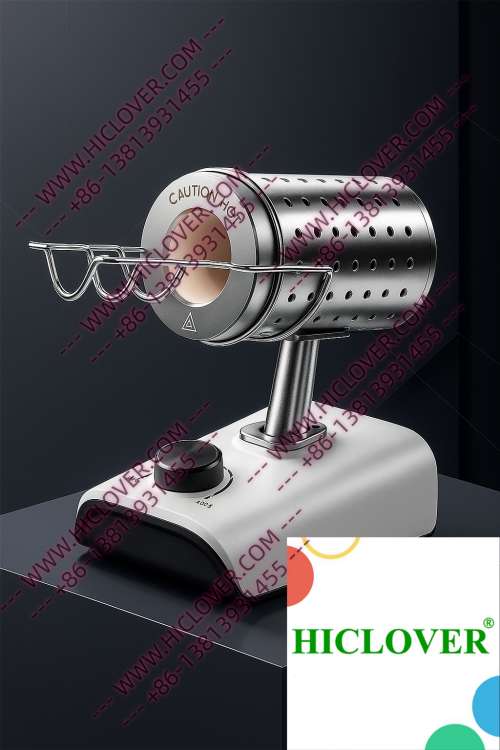
Teaching laboratories, especially those involved in microbiology and molecular biology, often operate within designated Biosafety Level (BSL) environments. These can range from BSL-1 situations, suitable for training students with low-risk organisms, to more stringent BSL-2 or BSL-3 labs that deal with potentially pathogenic materials. In such settings, maintaining a contamination-free environment is critical.
Rapid thermal sterilization through infrared technology not only enhances productivity but also mitigates the risks associated with traditional open flames, such as aerosol generation and cross-contamination. The ability to cleanly sterilize inoculating loops minimizes the risk of contamination, which is essential for both educational integrity and the safety of lab personnel.
Technical Principles of Infrared Loop Sterilizers
Micro Incinerators operate on a simple yet effective technical principle: the enclosed ceramic heating chamber utilizes infrared heat that reaches optimal sterilization temperatures rapidly, usually exceeding 800°C. This ceramic tube design provides several advantages:
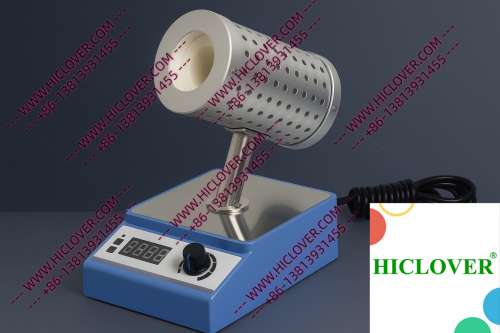
- Reduced Contamination Risk: The enclosed nature of the sterilizer minimizes aerosol emissions during operation.
- Rapid Heating: The substrates reach required temperatures quickly, allowing for shortened sterilization cycles.
- Energy Efficient: Infrared heating is more energy-efficient compared to traditional flame methods.
Such innovations result in a robust sterilization method that is clean-bench-safe and enhances laboratory workflow efficiency.
Applications of Micro Incinerators in Laboratories
Several practical application scenarios highlight the advancements brought by the Micro Incinerator in laboratory environments:
1. University Teaching Labs
In educational settings, instructors require reliable sterilization methods that allow students to focus on learning instead of managing flames. Using Infrared Inoculating Loop Sterilizers enhances student safety while efficiently providing a way to handle microbial cultures under supervision.
2. BSL-2 Laboratory Operations
In BSL-2 labs, stringent safety protocols demand reliable methods for decontamination. Micro Incinerators allow for safe sterilization without the risks associated with open flames, making them ideal for labs conducting clinical diagnostics and working with human pathogens.
Compliance and Environmental Considerations
Adhering to strict biosafety standards such as those outlined by the World Health Organization (WHO) is crucial for any laboratory. Infrared sterilizers mitigate the risk of accidents that can arise from open flames in clean rooms, making them compliant with various lab sterilization standards. Additionally, they align with eco-friendly practices, staying within sustainable guidelines required by institutions seeking to minimize their environmental footprint.
Comparison of Micro Incinerators and Traditional Flame Sterilizers
| Feature | Micro Incinerator | Traditional Flame Sterilizer |
|---|---|---|
| Heating Source | Infrared Ceramic Tube | Open Flame |
| Temperature Control | Consistent, High | Variable, Inconsistent |
| Contamination Risk | Low | High (Aerosols) |
| Energy Efficiency | High | Low |
| Safety | High (No Flames) | Medium (Fire Hazard) |
FAQs About Micro Incinerators
What is the main advantage of using an Infrared Inoculating Loop Sterilizer over a traditional flame sterilizer?
The primary advantage is the effective and rapid sterilization without the risks associated with open flames, such as the generation of harmful aerosols and potential accidents.
Can Micro Incinerators be used in BSL-3 labs?
Yes, Micro Incinerators are appropriate for various biosafety levels, including BSL-3, as they fulfill stringent safety requirements for handling hazardous pathogens.
How does the operating cost of a Micro Incinerator compare to flame sterilizers?
Operational costs are generally lower for Micro Incinerators due to their energy-efficient design, which consumes less power and requires less maintenance than traditional flame equipment.
Are Micro Incinerators safe to use in clean rooms?
Absolutely. Their enclosed design prevents combustion-related hazards, ensuring compliance with clean room regulations.
How long does it take for a Micro Incinerator to reach sterilization temperature?
Typically, Micro Incinerators reach optimal sterilization temperature in less than 10 seconds, significantly quicker than traditional flame methods.
Conclusion: Future-Proof Your Laboratory with Micro Incinerators
As laboratory environments continue to evolve, investing in superior sterilization equipment like Micro Incinerators ensures safety, efficiency, and compliance with emerging biosafety regulations. Whether you are operating a university teaching lab, a BSL-2 facility, or conducting field tests, the advantages of infrared inoculating loop sterilizers are undeniable. Elevate your laboratory practices today by choosing the right equipment—contact us to learn more about our offerings!
Categories:
Tags: