
In modern microbiological research and clinical diagnostics, the demand for effective sterilization techniques is paramount. Laboratories face constant biosafety challenges, and the efficiency of sterilization workflows directly impacts both safety and research integrity. Traditional methods like Bunsen burners and alcohol lamps are increasingly giving way to advanced technologies, such as the Micro Incinerator or Infrared Inoculating Loop Sterilizer. This article outlines the essential features of loop sterilizers, their applications in various laboratory settings, compliance considerations, and why making the right choice can significantly enhance laboratory efficiency and safety.
Understanding the Technical Principles of Infrared Loop Sterilizers
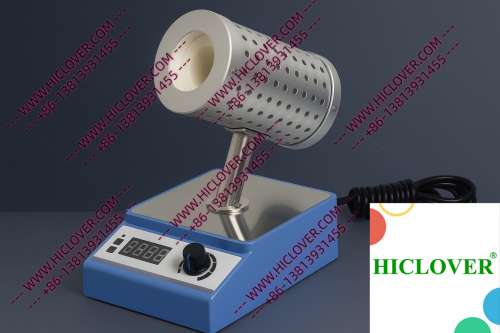
The Micro Incinerator operates on the principle of rapid thermal sterilization, utilizing infrared heat generated within an enclosed ceramic tube. This innovative design not only provides a high-temperature disinfection method but also enables aerosol-free handling of inoculating loops. The enclosed heating chamber minimizes the risk of contamination and ensures a reliable sterilization process, crucial in BSL-2 and BSL-3 microbiology labs where strict protocols must be followed.
- Infrared technology minimizes heat loss and maximizes efficiency.
- The compact and portable design allows for optimal use in various laboratory environments.
- Quick sterilization cycles reduce wait times and improve workload management.
Examining the Applications in Real Lab Scenarios
Biosafety Cabinet Sterilization
In a typical biosafety cabinet setting, where air quality and containment of pathogens are critical, the Micro Incinerator shines. Laboratories can quickly sterilize inoculating loops between samples without opening the cabinet, which maintains a sterile environment essential for accurate results. This is particularly valuable in clinical diagnostics where contamination can lead to misdiagnosis and potential health risks.
Field Testing and University Teaching Labs
Field testing laboratories face unique challenges, particularly regarding mobile sterilization solutions. The Micro Incinerator’s lightweight design makes it ideal for mobile units, allowing researchers to conduct tests in remote locations without compromising safety. Furthermore, in university teaching labs, where students are learning proper aseptic techniques, the use of an infrared sterilizer enhances learning outcomes by demonstrating effective sterilization without the dangers traditionally associated with flames.
Compliance and Environmental Considerations
When selecting a loop sterilizer, compliance with international and local safety standards becomes a critical factor. Organizations like the WHO outline rigorous biosafety standards for laboratories handling pathogenic microorganisms. Traditional flame sterilizers can pose hazards in clean room environments where open flames are prohibited. The Micro Incinerator, being flame-free, aligns perfectly with these standards, ensuring that biosafety protocols are met without sacrificing operational efficiency.
Key Compliance Points:
- No open flame reduces the risk of igniting flammable materials.
- Infrared sterilization meets WHO biosafety guidelines.
- Designed for use in both clean rooms and standard lab environments.
Comparative Analysis: Micro Incinerators vs. Traditional Flame Sterilizers
Understanding the advantages of using an infrared inoculating loop sterilizer compared to traditional methods is critical for laboratory managers making procurement decisions. Below is a comparative table highlighting these differences:
| Feature | Micro Incinerator | Traditional Flame Sterilizers |
|---|---|---|
| Safety | Flame-free; reduced fire hazard | Open flame; higher risk |
| Heat Source | Infrared; rapid thermal sterilization | Alcohol/Bunsen; slower heating |
| Contamination Risk | Aerosol-free handling | Possible aerosol generation |
| Portability | Compact design | Typically larger and less portable |
| Sterilization Time | Quick cycles | Longer due to cooling periods |
Frequently Asked Questions
1. What are the primary benefits of using a Micro Incinerator for loop sterilization?
The primary benefits include enhanced safety (no open flames), rapid thermal sterilization capabilities, and minimal contamination risk, making it ideal for sensitive microbiological applications.
2. Can I use an infrared sterilizer in a cleanroom environment?
Yes, the Micro Incinerator’s flame-free design makes it perfectly suitable for cleanroom environments where open flames are prohibited.
3. How long does the sterilization process usually take with a Micro Incinerator?
Typically, the sterilization process is completed in under a minute, significantly improving lab workflow efficiency.
4. Is the Micro Incinerator portable enough for field testing?
Absolutely! Its lightweight and compact design allows for easy transportation, making it ideal for field testing applications.
5. Are there specific training requirements for using an infrared loop sterilizer?
While minimal training is required, proper guidance on operational procedures is recommended to ensure effective and safe usage.
Conclusion
In summary, choosing the right loop sterilizer, particularly a Micro Incinerator or Infrared Inoculating Loop Sterilizer, can dramatically enhance both safety and efficiency within microbiology labs. With the growing emphasis on biosafety compliance, cleaner work environments, and improved workflows, the transition from traditional flame sterilizers to advanced thermal sterilizers becomes not only advantageous but essential. If you’re considering upgrading your laboratory’s sterilization equipment, we encourage you to explore the benefits of the Micro Incinerator—contact us today to learn more about how we can help elevate your laboratory’s sterilization capabilities.
Categories:
Tags: