
In the world of laboratory science, maintaining a sterile environment is critical to ensure reliable results, particularly in sensitive workflows such as PCR (Polymerase Chain Reaction) labs. As biosafety demands grow alongside the complexity of molecular biology, the choice of sterilization technology can significantly impact both productivity and contamination control. This article will delve into the advantages of using advanced sterilization equipment, particularly the Micro Incinerator / Infrared Inoculating Loop Sterilizer, for optimized laboratory operations.
Biosafety Challenges in PCR Laboratories
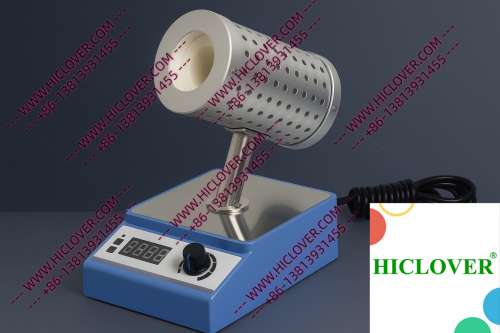
Laboratories, especially those working with biological samples, face various biosafety challenges. Standard sterilization methods like Bunsen burners or alcohol lamps can introduce aerosolized contaminants that jeopardize the integrity of samples. Moreover, flame-based sterilizers can present hazards in clean rooms and high-containment environments, including BSL-2 and BSL-3 labs.
For PCR labs, where the risk of contamination can lead to false results, a safer and more efficient solution is essential. Enter the Micro Incinerator, a device designed with modern biosafety practices in mind. This innovative technology enhances workflow while ensuring compliance with rigorous laboratory standards.
Technical Principles of the Micro Incinerator
The Micro Incinerator, also known as the Infrared Inoculating Loop Sterilizer, operates on the principle of rapid thermal sterilization. It utilizes an enclosed ceramic heating chamber that provides infrared high-temperature disinfection without the need for open flames. This significantly reduces the risk of contamination, offering a clean-bench-safe environment.
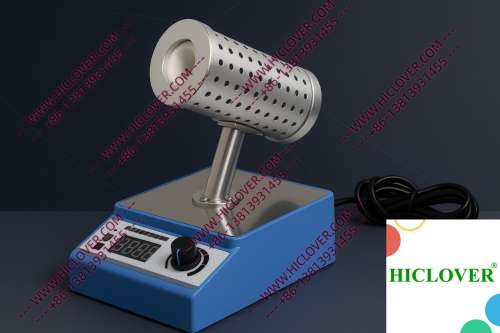
When an inoculating loop is placed inside the ceramic tube, it is instantly heated to temperatures exceeding 800°C, effectively sterilizing the loop in seconds. The advantages of this technology are manifold:
- Rapid sterilization process
- Reduced aerosol generation
- Minimized risk of fire hazards
- Enhanced safety in clean room settings
Application Scenarios in Real Labs
1. Biosafety Cabinets
In many modern laboratories, biosafety cabinets are crucial for protecting both the researcher and the samples. Integrating the Micro Incinerator within a biosafety cabinet allows for seamless sterilization of inoculating loops without compromising the sterile environment. The rapid heating capabilities ensure that sterilization happens efficiently while keeping the airflow and pressure balance intact.
2. Field Testing and Mobile Labs
In remote locations where traditional sterilization methods may be unsuitable or impractical, the compact design and portability of the Micro Incinerator make it an ideal choice. Field testing labs can utilize this technology to ensure that samples collected in various environmental conditions remain uncontaminated, thus preserving the integrity of PCR analyses. Furthermore, this innovation becomes invaluable in clinical diagnostics, where immediate results are essential for patient care.
Compliance with Biosafety Standards
Meeting biosafety compliance is a necessity in any laboratory environment. The World Health Organization (WHO) emphasizes the importance of stringent sterilization protocols, particularly in settings that handle infectious agents. The Micro Incinerator adheres to lab sterilization standards that dictate the use of non-flame sterilization methods in environments such as clean rooms.
Using flame sterilizers in these controlled environments can lead to hazardous situations, including fire risks and contamination due to aerosol generation. Adopting infrared sterilization technology is essential not only for laboratory efficiency but also for ensuring compliance with health and safety guidelines.
FAQs: Your Queries Answered
1. What makes the Micro Incinerator safer than traditional flame sterilizers?
The Micro Incinerator eliminates the need for open flames, significantly reducing the risk of fire hazards and aerosol generation, which can lead to cross-contamination.
2. Can the Micro Incinerator be used in BSL-3 laboratories?
Yes, the Micro Incinerator’s enclosed design and rapid sterilization capability make it suitable for BSL-3 laboratories, where strict biosafety measures are required.
3. How quickly does the Micro Incinerator sterilize inoculating loops?
It sterilizes loops in just a few seconds, providing efficient and effective sterilization without long wait times.
4. Is the Micro Incinerator portable for field use?
Absolutely! Its compact design makes it ideal for field testing and mobile laboratories, facilitating easy transport and immediate sterilization wherever needed.
5. What are the maintenance requirements for a Micro Incinerator?
Routine maintenance involves cleaning the ceramic heating chamber and ensuring that the electrical components are functioning properly for optimal performance.
Conclusion: Make the Right Choice for Your Lab
In conclusion, selecting the right sterilization technology is not only about efficiency; it’s about ensuring safety and compliance in your laboratory environment. The Micro Incinerator / Infrared Inoculating Loop Sterilizer offers a significant advancement over traditional flame methods, providing a rapid, aerosol-free, and clean solution for your PCR workflow demands.
Whether you are operating in a university teaching lab or conducting clinical diagnostics, the Micro Incinerator can elevate your laboratory’s standard of biosafety. For more information about our high-quality laboratory sterilization equipment and to discuss your specific needs, feel free to contact us today!
Categories:
Tags: