
In the world of laboratory work, meticulous attention to sterilization is paramount. As biosafety challenges become more pressing and the demand for effective sterilization workflows expands, choosing the right sterilization equipment is vital. Among the various options available, Micro Incinerators, also known as Infrared Inoculating Loop Sterilizers, stand out for their efficiency and effectiveness in maintaining inoculation loops.
Understanding the Technical Principles of Micro Incinerators
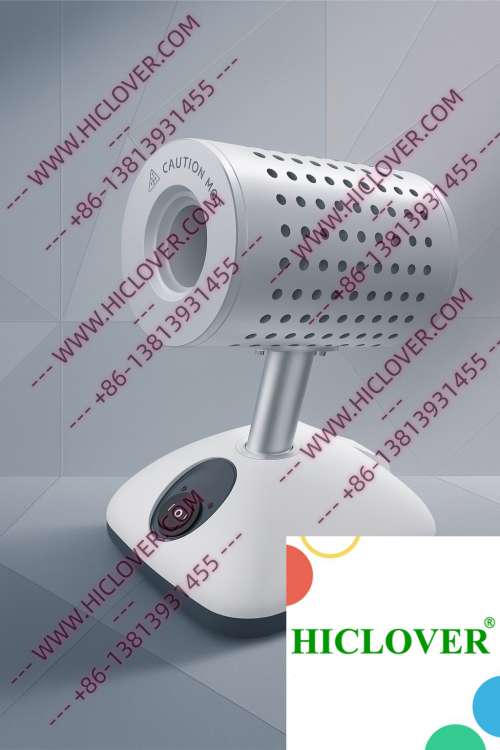
Micro Incinerators utilize advanced infrared heat technology to achieve rapid thermal sterilization. The key to their efficacy lies in the enclosed ceramic heating chamber that generates high temperatures quickly, providing a clean, flame-free solution for contaminating control. This method not only minimizes the risk of aerosol production but also enhances the safety and performance of labs where traditional flame sterilizers, like Bunsen burners or alcohol lamps, might not be suitable.
The design of a Micro Incinerator ensures that heat is consistently and effectively applied to inoculation loops, achieving disinfection in mere seconds. These units are compact, portable, and ideal for numerous settings, from BSL-2 microbiology labs to mobile or field-testing environments.
Applications in Real Laboratories
1. Biosafety Cabinets
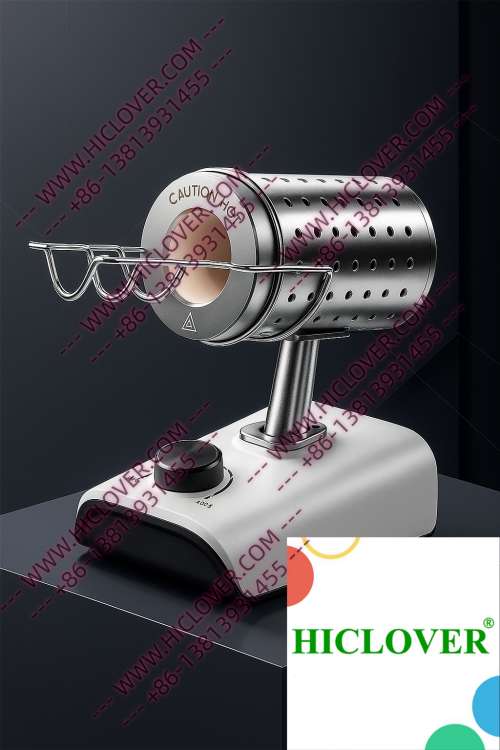
Biosafety cabinets are essential in maintaining a sterile environment when handling potentially infectious materials. Utilizing a Micro Incinerator within a biosafety cabinet enhances the sterilization workflow. The aerosol-free operation and rapid heating reduce the risk of contamination, ensuring that inoculation loops are sterilized effectively before coming into contact with cultures.
2. University Teaching Labs
In teaching laboratories, instructors must demonstrate proper sterilization techniques while adhering to safety protocols. The Micro Incinerator is an excellent tool for educational settings because its straightforward operation allows students to learn the importance of careful contamination control without the risks associated with open flames. Furthermore, the ability to sterilize quickly encourages efficiency during lab sessions.
Compliance and Environmental Concerns
Understanding compliance with established biosafety standards is crucial when selecting a sterilizer. The WHO biosafety guidelines emphasize the importance of using sterilization equipment that minimizes risk. Micro Incinerators are compliant with many national and international lab sterilization standards, providing a safer alternative to traditional flame-based sterilizers, particularly in clean room environments where the safety of personnel and the integrity of samples are vital.
- No Flame in Clean Rooms: The absence of an open flame in Micro Incinerators allows for a more controlled sterilization process, essential in clean room settings.
- Compliance with WHO Standards: Micro Incinerators meet stringent guidelines, ensuring laboratories maintain high safety and cleanliness levels.
- Reduced Aerosol Production: The infrared design significantly decreases aerosolizing of contaminants, which is crucial in biosafety cabinet use.
Advantages Over Traditional Flame Sterilizers
When comparing Micro Incinerators to traditional flame sterilizers, the advantages are pivotal:
| Feature | Micro Incinerator | Flame Sterilizers (e.g., Bunsen Burner) |
|---|---|---|
| Safety | Flame-free operation, reducing fire hazards | Open flame poses significant safety risks |
| Speed | Inoculation loops are ready in seconds | Longer prep and cooling times |
| Contamination Control | Minimized aerosol production | Higher risk of contaminating the environment |
FAQs About Micro Incinerators
What is the primary advantage of using a Micro Incinerator for sterilization?
The primary advantage is its rapid thermal sterilization capability without creating aerosols or hazards associated with open flames.
How does the infrared technology in Micro Incinerators work?
Infrared technology provides high-temperature disinfection through a ceramic heating chamber, allowing for quick and effective sterilization of inoculation loops.
Are Micro Incinerators compliant with biosafety standards?
Yes, they comply with WHO biosafety and laboratory sterilization standards, making them suitable for various laboratory environments.
Can Micro Incinerators be used in clean room settings?
Absolutely, their flame-free design makes them ideal for clean rooms where open flames are prohibited, ensuring a sterile atmosphere.
What types of labs benefit from using Micro Incinerators?
Micro Incinerators benefit a variety of labs, including BSL-2/BSL-3 microbiology labs, clinical diagnostics, and university teaching labs, as well as mobile testing facilities.
Conclusion: Elevate Your Sterilization Workflow
By choosing a Micro Incinerator or Infrared Inoculating Loop Sterilizer, laboratories can enhance their sterilization processes significantly. With its rapid, efficient design and compliance with critical biosafety guidelines, it becomes an indispensable tool for maintaining high standards of contamination control and biosafety. For more information on how to integrate this equipment into your laboratory workflow or to discuss purchasing options, feel free to reach out today.
Categories:
Tags: