
In the fast-paced world of biotechnology, maintaining stringent biosafety standards is essential. Laboratories face multifaceted challenges, particularly concerning contamination control and the effective sterilization of instruments. Among the various solutions available, one product stands out for its efficiency and reliability: the Micro Incinerator, or Infrared Inoculating Loop Sterilizer. This advanced sterilization equipment offers a modern alternative to traditional flame sterilizers, such as alcohol lamps and Bunsen burners, ensuring rapid thermal sterilization while improving safety and workflow efficiency.
Understanding the Technical Principles of Infrared Sterilization
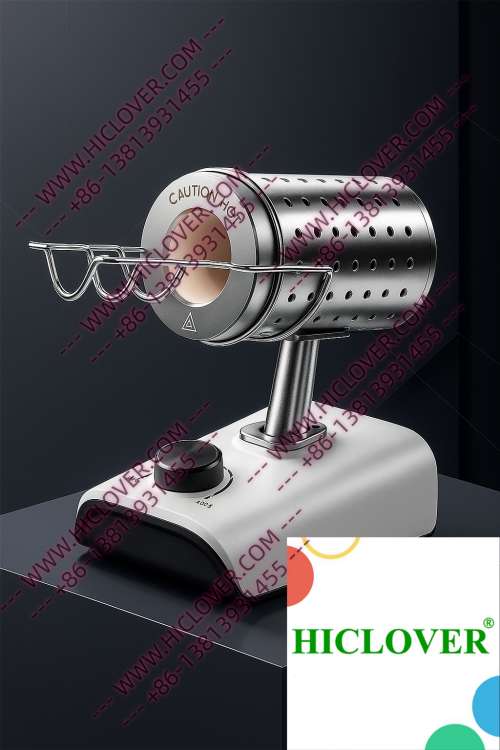
Infrared sterilizers utilize concentrated infrared heat generated by an enclosed ceramic tube to achieve high-temperature disinfection. When the loop is inserted, the infrared chamber activates and rapidly targets the inoculating tool with intense heat. This method provides sterilization in seconds, effectively eliminating bacterial, viral, and fungal contaminants without the risks associated with open flames.
The enclosed heating chamber design of the Micro Incinerator not only enhances safety by providing aerosol-free handling but also negates the need for flammable materials, making it ideal for cleanroom environments where any ignition sources must be minimal to maintain the sterile atmosphere.
Application Scenarios for Micro Incinerator in Real Labs
-
Biosafety Cabinets:
In BSL-2 and BSL-3 microbiology laboratories, it is critical to mitigate the risk of contaminating cultures or impacting personnel safety. The Micro Incinerator fits seamlessly within a biosafety cabinet, allowing researchers to sterilize inoculating loops while maintaining a controlled environment. This ensures compliance with strict safety protocols and improves the overall efficiency of the sterile technique.
-
University Teaching Labs:
Educational settings require easy-to-use equipment that promotes safety among students and faculty alike. The Infrared Inoculating Loop Sterilizer is an excellent choice for teaching labs as it allows students to learn and practice aseptic techniques without the hazards associated with flame-based sterilization. The quick sterilization cycle helps maintain workflow and keeps lessons focused on scientific principles rather than safety concerns.
- What is a Micro Incinerator?
The Micro Incinerator is an infrared inoculating loop sterilizer that uses concentrated heat to quickly sterilize laboratory instruments, providing an efficient and safer alternative to traditional flame-based methods.
- How does infrared sterilization work?
This technology utilizes infrared radiation to generate heat within a ceramic tube, allowing for rapid and effective disinfection of inoculating loops in mere seconds.
- Where can Micro Incinerators be used?
They are ideal for applications in biosafety cabinets, field testing environments, and university teaching labs where rapid sterilization is required while maintaining safety standards.
- Are Micro Incinerators compliant with lab standards?
Yes, they adhere to WHO guidelines and other laboratory sterilization standards, making them suitable for cleanroom environments and BSL labs.
- What are the advantages of using a Micro Incinerator?
Micro Incinerators offer many advantages including faster sterilization times, enhanced safety, and ease of use compared to flame burners, improving overall workflow in a laboratory setting.
Compliance and Environmental Considerations
Adhering to global biosafety and laboratory sterilization standards is non-negotiable in any research or clinical setting. The World Health Organization (WHO) emphasizes the importance of using safe and effective sterilization techniques in laboratories worldwide. Infrared sterilizers like the Micro Incinerator eliminate the need for flames and flammable liquids, making them suitable for cleanrooms where strict adherence to safety protocols is necessary.
Furthermore, they minimize the risk of acquiring aerosols during sterilization, aligning with guidelines provided by regulatory agencies. This becomes especially relevant when considering environmental factors, as traditional flame sterilizers may pose contamination risks in sensitive environments, including CO₂ incubators or anaerobic chambers.
Comparison: Micro Incinerator vs. Flame Burners
| Feature | Micro Incinerator | Flame Burners |
|---|---|---|
| Heat Source | Infrared | Open Flame |
| Safety | No flame, aerosol-free | Risk of fire and burns |
| Speed of Sterilization | Seconds | Varies; may take longer |
| Portability | Lightweight and compact | Heavy and bulky |
| Ease of Use | Simple operation | Requires flame handling |
FAQs About Micro Incinerators
Conclusion
Incorporating a Micro Incinerator into your laboratory workflow offers numerous benefits including enhanced safety, rapid thermal sterilization, and compliance with strict biosafety standards. Whether you operate in a BSL-2 microbiology lab, a teaching environment, or a cleanroom area, this innovative sterilization equipment represents a crucial advancement in contamination control. For more information or to make a purchase, do not hesitate to contact us and discover how you can elevate your lab’s sterilization practices.
Categories:
Tags: