
In modern microbiological research and clinical diagnostics, effective sterilization practices are paramount in order to prevent contamination and ensure reliable results. Laboratories face stringent biosafety challenges, which demand advanced solutions for workflow efficiency, especially when it comes to sterilizing tools such as inoculating loops. Traditional methods such as alcohol lamps or Bunsen burners come with their own set of limitations—including risk of open flames and inconsistent sterilization temperatures. Enter the Micro Incinerator or Infrared Inoculating Loop Sterilizer—technology that not only meets but also exceeds laboratory sterilization requirements.
Understanding the Technical Principles of Micro Incinerators
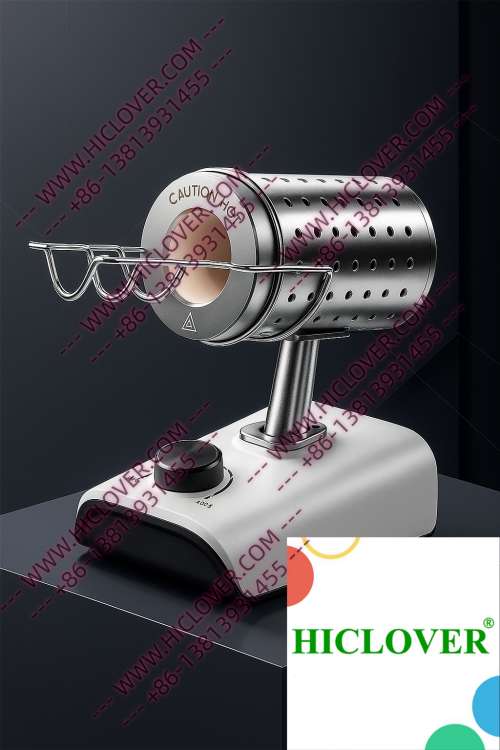
At the heart of the Micro Incinerator is the principle of rapid thermal sterilization achieved through high-precision infrared heat. Unlike traditional flame sterilizers, which can produce soot and debris, the infrared sterilizers utilize an enclosed ceramic heating chamber that offers a clean-burning environment free from combustion by-products. These sterilizers can reach high temperatures in a matter of seconds, providing an efficient and effective means to achieve high-temperature disinfection.
- High Temperature Control: Consistent temperature above 800°C ensures reliable sterilization.
- Rapid Heating: Achieves sterilization in just a few seconds, reducing wait times.
- Aerosol-Free Handling: Minimizes risk of aerosol generation, enhancing safety standards.
- Easy to Use: Compact design fits seamlessly in biosafety cabinets and other clean environments.
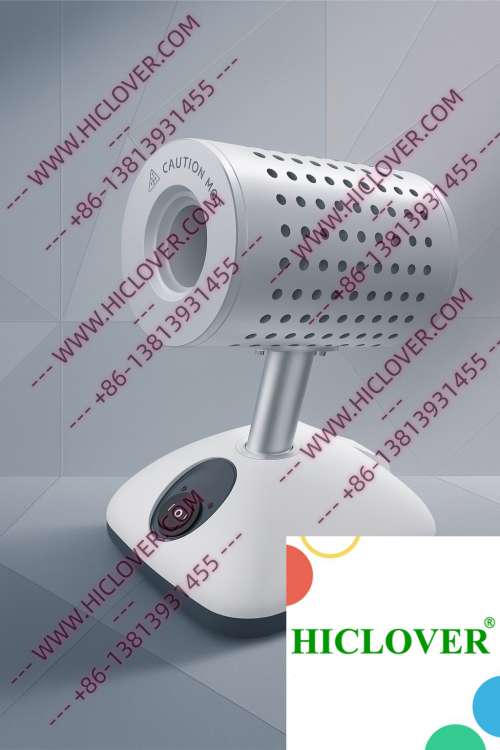
Key Application Scenarios in Real Labs
The versatility of the Micro Incinerator makes it indispensable in various laboratory settings. Below are two application scenarios showcasing its effectiveness:
1. Biosafety Cabinets in BSL-2 and BSL-3 Labs
In biosafety cabinets used within BSL-2 and BSL-3 laboratories, the Micro Incinerator provides a flame-free option that adheres to strict safety protocols. The enclosed design allows researchers to perform sterilization without the risk of igniting volatile substances or generating harmful aerosols. This makes it ideal for handling potentially pathogenic cultures securely.
2. University Teaching Laboratories
In academic settings, Incorporating Micro Incinerators into laboratory courses enhances both safety and learning experiences. Students can focus on techniques without the added concern of flame sterilization. This environment supports immediate feedback and practice on contamination control without jeopardizing safety.
Compliance and Environmental Considerations
Adhering to international biosafety standards is not just a regulatory requirement; it reflects a laboratory’s commitment to maintaining high-quality research practices. Organizations such as the WHO have established guidelines that necessitate the safe handling and sterilization of materials within laboratories. Using Micro Incinerators ensures compliance with such standards, which encourages best practices in microbial culture preparation.
Moreover, in clean room environments where no open flames are permitted, the use of infrared sterilizers becomes essential. Their efficiency in minimizing contamination risk highlights the commitment to biosafety in laboratory operations.
| Feature | Micro Incinerator | Flame Burner |
|---|---|---|
| Safety | No open flame, less risk | Open flame can cause fires |
| Sterilization Time | Seconds | Variable, longer wait |
| Temperature Consistency | High precision | Inconsistent |
| Ease of Use | Compact and portable | Requires handling fuel |
Frequently Asked Questions
What is the main advantage of using a Micro Incinerator over a traditional flame burner?
Micro Incinerators provide safer operation with no open flame, faster sterilization times, and reduced risk of aerosol generation, making them ideal for sensitive laboratory environments.
How does the Micro Incinerator ensure compliance with WHO biosafety protocols?
Micro Incinerators are designed to meet high biosafety standards by offering an enclosed heating element that eliminates contamination risks associated with open flame methods.
Can the Micro Incinerator be used in field testing labs?
Yes, the portability and efficient sterilization capabilities make the Micro Incinerator an excellent choice for field testing labs, particularly in remote locations where traditional methods may not be feasible.
Is training required to operate a Micro Incinerator?
While the Micro Incinerator is user-friendly, training on its use and operational safety is recommended to maximize its benefits and ensure compliance with safety protocols.
What types of inoculation loops are compatible with the Micro Incinerator?
Most metal inoculating loops can be used with Micro Incinerators as they can withstand high temperatures. However, it’s advisable to check specific compatibility based on your laboratory’s practices.
Conclusion
In an age where laboratory standards continue to rise, the Micro Incinerator / Infrared Inoculating Loop Sterilizer stands at the forefront of innovation in microbial culture preparation. Its capacity for rapid thermal sterilization and stringent biosafety compliance makes it an essential tool for both research and educational environments. For laboratories looking to upgrade their sterilization practices, this equipment represents a significant leap forward in both safety and efficiency.
Contact us today to learn more about how the Micro Incinerator can elevate your lab operations, or explore our options for purchase tailored to your laboratory’s unique needs.
Categories:
Tags: