
In the dynamic ecosystem of laboratory operations, professional safety and sterilization remain paramount. Scientists face numerous biosafety challenges, particularly in laboratories engaged in microbiological research and clinical diagnostics. With stringent compliance requirements and a pressing need for effective contamination control, the demand for reliable sterilization equipment has never been greater. This is where micro incinerators, especially the Infrared Inoculating Loop Sterilizer, come to the forefront, providing both clean and efficient solutions for laboratory sterilization.
The Technical Principle Behind Micro Incinerators
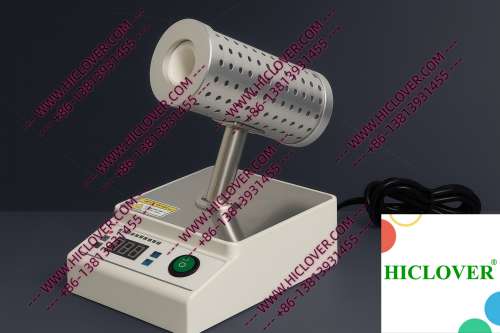
At the core of the micro incinerator is a unique configuration that utilizes rapid thermal sterilization technology. Designed with an enclosed ceramic heating chamber, these devices generate infrared high-temperature disinfection, reaching impressive temperatures that are ideal for sterilizing inoculating loops, needles, and other laboratory instruments. Unlike traditional flame sterilizers, such as alcohol lamps or Bunsen burners, micro incinerators eliminate the risks associated with open flames, thereby enhancing safety within clean room environments.
Applications in Various Laboratory Settings
1. University Teaching Labs
In teaching laboratories, especially those dealing with microbiology and biotechnology coursework, the use of micro incinerators offers significant advantages. Students can quickly and efficiently sterilize tools without the pesky challenges of flame handling. The compact and portable design of micro incinerators also affords flexibility in lab setups, making them the preferred choice for classroom demonstrations and practical applications.
2. BSL-2 and BSL-3 Microbiology Labs
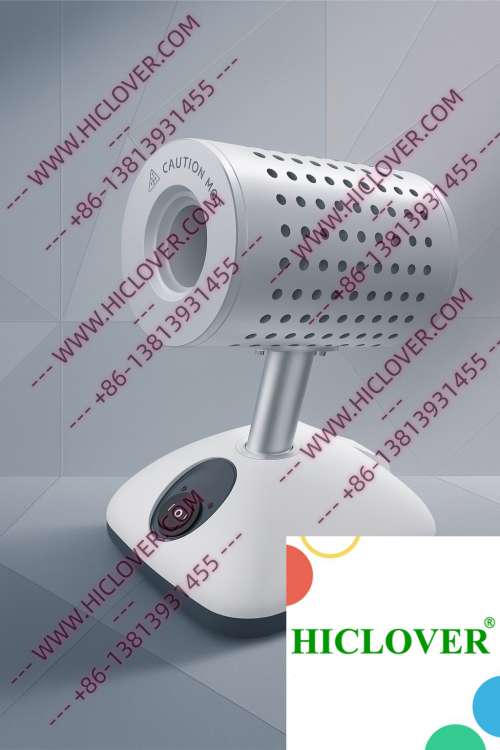
In biocontainment settings, such as BSL-2 and BSL-3 labs, maintaining a sterile environment is crucial. Here, the Infrared Inoculating Loop Sterilizer plays a significant role in biosafety cabinets and clean benches, ensuring that contamination risks are substantially reduced. Since these devices offer aerosol-free handling, they support stringent microbiological practices, thereby aligning with laboratory standards while safeguarding personnel.
Compliance and Environmental Considerations
With regulations set forth by organizations such as the WHO, adherence to biosafety standards becomes critical in lab operations. Traditional flame sterilizers often pose compliance challenges, as the presence of an open flame is not permissible within clean rooms. The Micro Incinerator, on the other hand, complies with current sterilization standards, providing a flame-free solution that enhances safety while efficiently disinfecting instruments. The transition toward micro incinerators signifies a movement towards more environmentally responsible practices, minimizing the risk of hazardous emissions common with traditional methods.
Why Choose Micro Incinerators Over Traditional Flame Sterilizers?
The advantages of micro incinerators become evident when compared to traditional flame sterilizers. Here’s a straightforward comparison:
| Feature | Micro Incinerator | Flame Sterilizers |
|---|---|---|
| Heating Method | Infrared heat | Open flame |
| Safety | Flame-free operation | Fire hazard risk |
| Efficiency | Rapid thermal sterilization | Variable sterilization time |
| Portability | Compact and mobile | Less portable |
Frequently Asked Questions
- What is the primary benefit of using a micro incinerator for sterilization? Micro incinerators provide rapid and effective sterilization without the risks associated with open flames, enhancing lab safety and efficiency.
- Can micro incinerators be used in BSL-3 labs? Yes, they are suitable for use in BSL-2 and BSL-3 labs, ensuring compliance with biosafety regulations while effectively managing contamination risks.
- How do micro incinerators compare in terms of sterilization time? Micro incinerators achieve rapid sterilization cycles, often faster than flame sterilizers, which can vary in efficiency.
- Are micro incinerators environmentally friendly? Yes, they contribute to safer laboratory operations and minimize the risk of hazardous emissions compared to traditional flame methods.
- Is training required to use a micro incinerator effectively? While basic training can enhance efficient usage, micro incinerators are designed to be user-friendly and intuitive for lab personnel.
Conclusion: Enhance Your Lab Safety with Micro Incinerators
In summary, New Orleans is setting an exemplary standard in laboratory biosafety through the adoption of modern sterilization technologies like the Micro Incinerator. With their compact design, rapid thermal sterilization capabilities, and compliance with stringent health regulations, these devices are revolutionizing practices in laboratories across the region and beyond. If you’re ready to upgrade your lab equipment to modernize sterilization processes, contact us today to explore our range of Micro Incinerators and discover how they can enhance your laboratory’s safety and efficiency.
Categories:
Tags: