
In the ever-evolving landscape of laboratory biosafety, effective sterilization processes are crucial for minimizing contamination risks and ensuring compliance with stringent health regulations. With the rise of specialized research and clinical environments, laboratories are confronted with the challenge of maintaining a safe working atmosphere while efficiently managing biohazardous waste. One remarkable solution is the Micro Incinerator, specifically designed to meet these challenges with rapid thermal sterilization capabilities.
The Technical Principle of Micro Incinerators
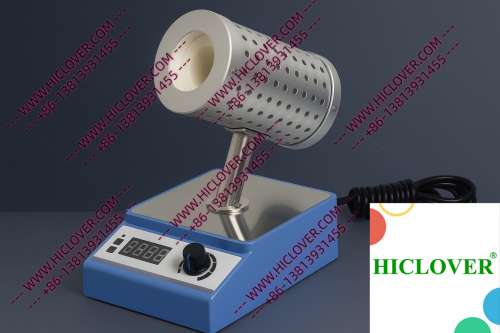
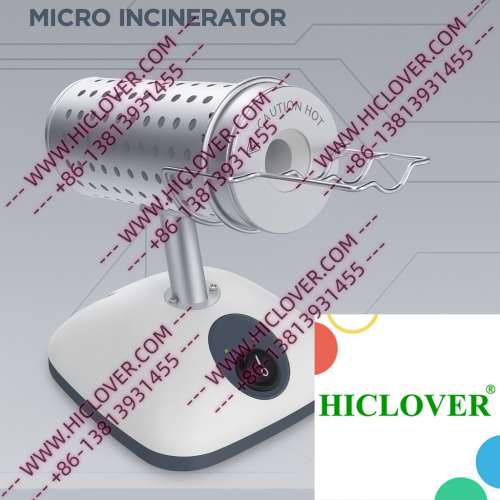
At the heart of this innovative equipment lies the principle of infrared heat, which offers distinct advantages over traditional flame sterilizers. The Micro Incinerator features an enclosed ceramic tube that heats up rapidly, providing high-temperature disinfection without the flame hazards associated with alcohol lamps or Bunsen burners. This design enables scientists to achieve effective sterilization while maintaining a clean and safe workspace, especially in sensitive environments like biosafety laboratories.
Micro Incinerator Configuration
The Micro Incinerator typically incorporates the following features:
- Ceramic Heating Chamber: Offers rapid heating and ensures uniform temperature distribution for consistent results.
- Infrared Technology: Eliminates the risk of flame-related accidents while providing effective sterilization.
- Compact Design: Space-efficient, ideal for laboratories with limited bench space.
- User-Friendly Controls: Simplifies operation, allowing quick adjustments to temperature settings.
- No open flame risks, making it suitable for use in clean rooms.
- Rapid thermal sterilization complies with modern laboratory practices.
- Minimizes the production of aerosols, protecting health personnel and the environment.
- What are the advantages of using a Micro Incinerator over traditional sterilization methods?
Micro Incinerators offer rapid thermal sterilization, safety from open flames, and effective contamination control, making them ideal for various laboratory environments. - Can a Micro Incinerator be used in field testing situations?
Yes, its compact design and functionality make it suitable for mobile or field testing laboratories. - How does a Micro Incinerator contribute to compliance with laboratory standards?
Micro Incinerators comply with WHO biosafety guidelines by minimizing aerosol production and eliminating flame hazards in clean environments. - Is the Micro Incinerator suitable for sterilizing equipment used in clinical diagnostics?
Absolutely, its infrared high-temperature disinfection capability makes it effective for sterilizing various tools in clinical settings. - What settings benefit most from using a Micro Incinerator?
Applications in BSL-2 and BSL-3 labs, university teaching laboratories, and clinical diagnostics significantly benefit from this advanced equipment.
Application Scenarios in Real Laboratories
Micro Incinerators gain importance in various laboratory settings. Let’s examine two practical scenarios where they significantly enhance laboratory workflows:
1. Biosafety Cabinets
In BSL-2 and BSL-3 microbiology labs, maintaining a sterile environment is paramount. The Micro Incinerator’s design ensures that researchers can effectively sterilize inoculating loops and other tools without introducing open flames into biosafety cabinets. This fosters contamination control while maintaining compliance with WHO biosafety guidelines.
2. Teaching Labs
In university teaching labs, educators are often tasked with demonstrating sterile techniques and microbiological procedures. The Micro Incinerator is perfect for this setting; it allows students to safely practice sterilization methods without the risks associated with traditional flame burners. The aerosol-free handling and clean-bench-safe operation make it an ideal teaching tool.
Compliance with Sterilization Standards
Adhering to laboratory sterilization standards is critical for maintaining regulatory compliance and ensuring workplace safety. According to WHO biosafety regulations, labs must implement effective sterilization techniques for biohazardous materials. The Micro Incinerator offers significant advantages in this regard:
Comparative Analysis: Micro Incinerator vs. Flame Burners
| Feature | Micro Incinerator | Flame Burners |
|---|---|---|
| Heat Source | Infrared | Open Flame |
| Safety | No flame hazards | Risk of burns and fire |
| Efficiency | Rapid heating | Variable heating |
| Contamination Control | Aerosol-free | Aerosol generation |
| Application Versatility | BSL-2 & BSL-3 compliance | Limited to specific environments |
Frequently Asked Questions
Conclusion
As laboratories around the globe strive for improved safety and efficiency in biosafety practices, Tokyo’s cutting-edge Micro Incinerators embody a new standard for medical waste management. With their remarkable features and capabilities, these devices not only streamline sterilization workflows but also ensure compliance with critical health and safety standards. Whether you are involved in university teaching, clinical diagnostics, or field testing, the Micro Incinerator serves as an essential asset in maintaining a contamination-free environment. For those interested in upgrading their laboratory sterilization equipment, exploring these advanced solutions is a step toward excellence in laboratory management.
For more information and inquiries regarding the Micro Incinerator / Infrared Inoculating Loop Sterilizer, please contact us today!
Categories:
Tags: