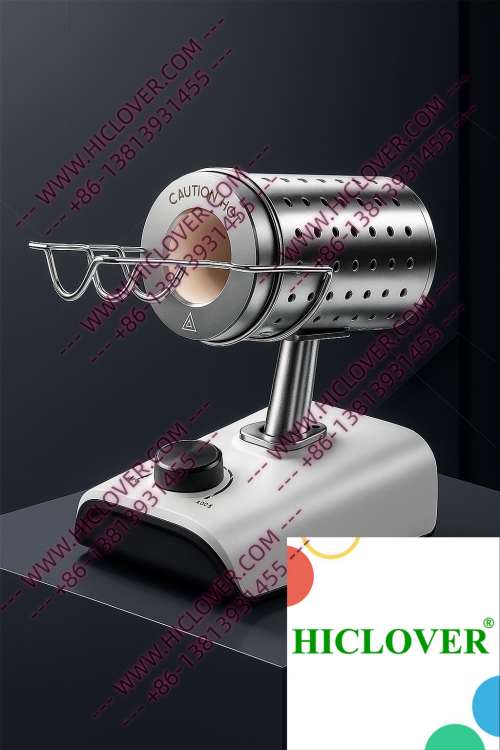
The worldwide challenge of medical waste management is particularly pronounced in cities like Rotterdam, where healthcare facilities are actively seeking innovative and sustainable solutions. With growing concerns over contamination control and the environmental impact of traditional disposal methods, hospitals are beginning to incorporate portable micro incinerators into their sterilization workflows. These compact devices, specifically the Micro Incinerator or Infrared Inoculating Loop Sterilizer, stand out due to their efficiency, safety, and adherence to rigorous biosafety standards.
Laboratory Biosafety Challenges in Medical Waste Management
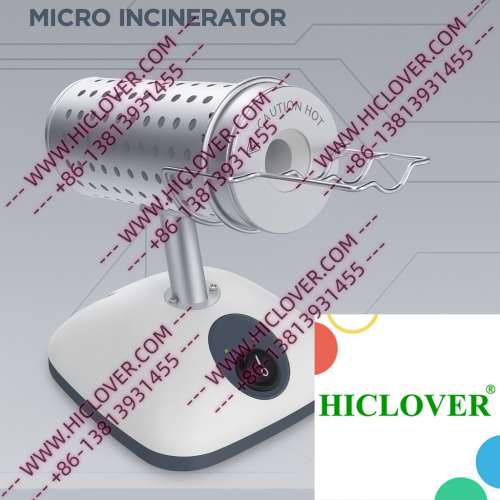
In clinical and research settings, the handling of biological materials often entails significant biosafety risks. Laboratories, especially those designated as BSL-2 or BSL-3, are tasked with the dual pressures of ensuring contamination control while maintaining an efficient sterilization workflow. Traditional methods such as alcohol lamps or Bunsen burners, while widely used, present significant drawbacks. These flame-based sterilizers can introduce hazardous aerosols into the lab environment, complicate cleanroom operations, and pose fire risks.
Technical Principles of the Micro Incinerator
The Micro Incinerator utilizes an advanced infrared heat technology within a sealed ceramic tube. This innovative design allows for rapid thermal sterilization, effectively destroying pathogens without the need for open flames. The ceramic heating chamber achieves high temperatures (up to 850°C), enabling effective high-temperature disinfection of inoculating loops, needles, and other instruments within mere seconds. This non-flame approach is especially suited for clean-bench-safe environments, where contamination control is paramount.
Applications in Real Laboratories
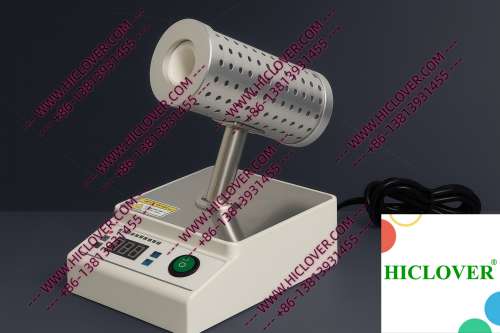
The Micro Incinerator is proving beneficial in various laboratory contexts:
- Biosafety Cabinets: In BSL-2 and BSL-3 labs, the use of biosafety cabinets is essential to protect personnel and prevent cross-contamination. The Micro Incinerator, designed for cleanroom use, offers aerosol-free handling, ensuring that sterilization occurs without compromising laboratory air quality.
- Field Testing Laboratories: In mobile testing labs, especially in remote regions of the Netherlands or neighboring countries, traditional engineering for waste disposal isn’t feasible. The lightweight and portable design of the Micro Incinerator allows healthcare workers to sterilize instruments onsite, facilitating rapid response to medical emergencies while managing waste responsibly.
Compliance and Environmental Considerations
With the World Health Organization (WHO) providing guidance on biosafety practices and lab sterilization standards, it is crucial that hospitals and research centers remain compliant with these directives. The Micro Incinerator significantly reduces the risk of cross-contamination and infections through its advanced sterilization capabilities, supporting adherence to both WHO biosafety recommendations and local health regulations.
“Utilizing devices like the Micro Incinerator not only embraces technological advancement but also aligns with sustainable practices, minimizing our carbon footprint in line with contemporary public health needs.”
Comparison with Traditional Flame Sterilizers
| Feature | Micro Incinerator | Flame Sterilizers |
|---|---|---|
| Sterilization Time | Instantaneous | Variable (depends on flame size) |
| Risk of Contamination | Minimal | High (aerosol production) |
| Environmental Impact | Low (no fuel emissions) | High (exhaust particulates & chemicals) |
| Usability in Cleanrooms | Ideal | Not suitable |
FAQs: Your Questions Answered
- What types of laboratories are the Micro Incinerators best suited for? The Micro Incinerator is particularly effective for BSL-2 and BSL-3 labs, as well as university teaching labs and mobile testing facilities.
- How does a Micro Incinerator ensure low contamination risk? Its enclosed design prevents aerosol generation and maintains sterile conditions throughout the sterilization process.
- Are Micro Incinerators compliant with WHO guidelines? Yes, they meet stringent biosafety and lab sterilization standards set forth by the WHO, ensuring safe and efficient waste management.
- What are the operational costs of using a Micro Incinerator? The Micro Incinerator has minimal operating costs due to its energy-efficient design and longevity compared to traditional flame sterilizers.
- Can the Micro Incinerator be used in educational settings? Absolutely, they are ideal for educational labs where safety and effective sterilization practices are being taught.
Conclusion: Embrace Sustainable Medical Waste Management
The integration of Micro Incinerators in hospitals across Rotterdam exemplifies a commitment to sustainable medical practices while addressing the escalating demands of biosafety. As healthcare facilities strive to enhance their sterilization workflows and minimize environmental impacts, adopting advanced tools like the Micro Incinerator is a strategic choice for laboratories aiming to remain at the forefront of safe and efficient medical waste management.
If your organization is looking to boost its sterilization capabilities and compliance with biosafety standards, consider investing in the Micro Incinerator. With its cutting-edge design and proven effectiveness, this portable device is a vital addition to any modern laboratory setup.
Categories:
Tags: