
Laboratories across Kenya face a multitude of biosafety challenges, from effective sterilization of tools to minimizing contamination risks. As laboratories expand their capabilities in microbiology, clinical diagnostics, and environmental testing, the need for efficient and sustainable sterilization methods has never been greater. The traditional methods, such as alcohol lamps and Bunsen burners, often come with drawbacks like flame hazards and excessive smoke emission. Enter the Micro Incinerator or Infrared Inoculating Loop Sterilizer: a clean, green solution for effective laboratory sterilization.
Understanding Micro Incinerators
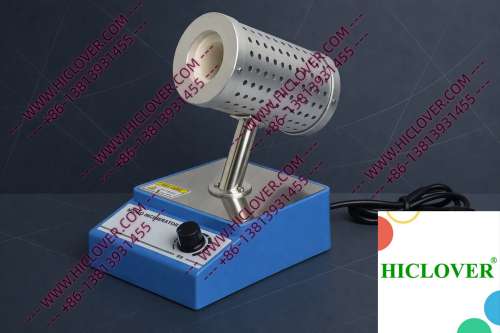
The Micro Incinerator operates on the principle of rapid thermal sterilization, employing infrared heating techniques within an enclosed ceramic tube. This configuration allows for high-temperature disinfection without the attendant risks of flames, making it clean-bench-safe and ideal for sensitive laboratory environments.
- Infrared Heat: The device generates infrared heat, providing uniform and efficient sterilization without the need for an open flame.
- Ceramic Heating Chamber: This component ensures even heat distribution and rapid heating, significantly reducing wait times for effective sterilization.
- Aerosol-Free Handling: The enclosed design minimizes the risk of aerosols, ensuring a safer working environment, especially in BSL-2 and BSL-3 laboratories.
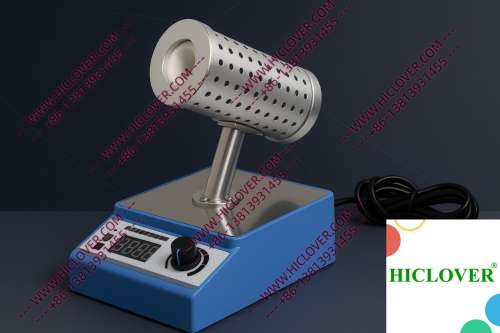
Application Scenarios in Real Labs
The versatility of the Micro Incinerator means it finds applications in various laboratory environments. Here are two typical scenarios where it proves invaluable:
1. Microbiology Research Labs
In microbiology labs that operate within Biosafety Level (BSL) protocols, the sterilization of inoculating loops and needles is critical. Here, the Micro Incinerator fits seamlessly into the workflow. Users can quickly sterilize instruments before and after use without the hassle of flammable gases, all while maintaining compliance with safety regulations. This ensures that researchers can focus on their experiments without worrying about contamination risks.
2. Teaching Laboratories
University teaching labs benefit immensely from the Micro Incinerator. As students learn about the nuances of microbiological techniques, having a safe sterilization tool enhances the educational experience. Compared to traditional flame sterilizers, using an infrared inoculating loop sterilizer ensures that students can practice skills safely, reducing the likelihood of accidental burns or inhalation of harmful fumes.
Compliance and Environmental Considerations
When it comes to laboratory sterilization, compliance with international standards is paramount. Organizations like the World Health Organization (WHO) recommend stringent biosafety guidelines to ensure contamination control, especially in laboratories handling infectious agents. The Micro Incinerator adheres to these standards, offering several advantages over traditional flame sterilizers:
- No open flames: The infrared sterilizer eliminates fire risks in sensitive environments.
- Eco-friendly operation: By reducing smoke and heat emissions, the Micro Incinerator supports clean and green environmental practices.
- Minimal aerosols: The confined design mitigates aerosol generation, protecting lab workers’ health.
With Kenya’s growing emphasis on sustainable practices, adopting equipment like the Micro Incinerator aligns with the nation’s goals to promote green technology and improve laboratory safety.
Advantages Over Traditional Sterilizers
When comparing the Micro Incinerator to traditional flame sterilizers, the benefits become strikingly clear. Below is a comparison table illustrating key differences:
| Feature | Micro Incinerator | Flame Burners |
|---|---|---|
| Heating Method | Infrared | Open Flame |
| Safety | Safe, no flame | Risk of burns and fire hazards |
| Aerosol Generation | Minimal | High |
| Efficiency | Rapid and consistent | Inconsistent, variable heating |
Frequently Asked Questions
What is the primary advantage of using a Micro Incinerator over a traditional flame sterilizer?
The Micro Incinerator eliminates the risks associated with open flames, making it safer and more suitable for clean environments. It also provides rapid and consistent sterilization through infrared technology.
Can the Micro Incinerator be used in field testing laboratories?
Yes, the portable nature of the Micro Incinerator makes it ideal for field testing, where safe and reliable sterilization of instruments is essential.
How does the Micro Incinerator comply with WHO biosafety standards?
The Micro Incinerator adheres to WHO guidelines by minimizing fire risks and aerosol generation, thus ensuring a safer laboratory environment for users.
Is the Micro Incinerator suitable for university teaching laboratories?
Absolutely! The device enhances educational efforts in teaching laboratories by providing a safe and efficient way for students to learn sterilization techniques.
What maintenance is required for the Micro Incinerator?
Regular cleaning of the ceramic heating element and ensuring that the device is free from contamination between uses will maintain its performance. Follow the manufacturer’s guidelines for detailed maintenance requirements.
Conclusion
In conclusion, Micro Incinerators represent a transformative approach to laboratory sterilization in Kenya. With features that ensure compliance with biosafety standards and an eco-friendly operating principle, these devices are more than just tools—they’re essential components of modern lab infrastructure. If you’re in the market for reliable and safe sterilization equipment, contact us today to explore our range of Micro Incinerators and see how they can revolutionize your laboratory practices.
Categories:
Tags: