
In today’s fast-paced laboratory environments, managing biosafety and ensuring effective sterilization processes are paramount. Laboratory personnel face numerous challenges, particularly concerning sterilization workflow demands and contamination control. As the need for safe, reliable, and environmentally friendly solutions grows, micro incinerators, specifically the Infrared Inoculating Loop Sterilizer, emerge as pivotal in advancing Pakistan’s commitment to a cleaner and greener future.
Understanding Micro Incinerators: Technical Principles and Configuration
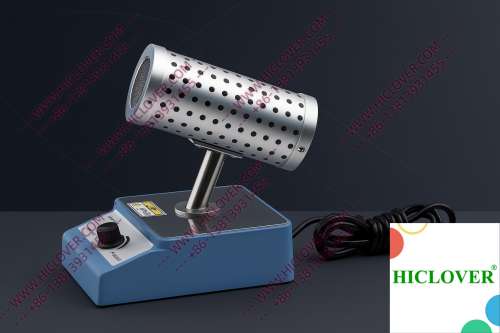
Micro incinerators operate on the principle of rapid thermal sterilization, utilizing infrared heating technology to achieve sterilization without the inherent risks associated with traditional flame sterilizers, such as alcohol lamps and Bunsen burners. The design typically features an enclosed ceramic heating chamber which provides an exciting method for quickly sterilizing inoculating loops and other small tools.
The infrared heat radiated by the micro incinerator rapidly elevates the temperature of the sterilization chamber, allowing it to reach high temperatures needed for disinfection. This method ensures that the process is both efficient and aerosol-free, thus enabling clean-bench-safe operation beneficial for sensitive laboratory scenarios.
Application Scenarios in Real Labs
1. University Teaching Labs
In university teaching labs, students frequently engage with bacterial cultures, which require stringent sterilization protocols. The micro incinerator proves invaluable here, not just for its practical design but also for enhancing students’ understanding of safe lab practices. This tool offers rapid sterilization of inoculating loops, which minimizes downtime between experiments and allows for greater focus on experimental results rather than equipment preparation.
2. Field Testing Laboratories
In scenarios where field testing is essential, such as environmental assessments or clinical diagnostics, the micro incinerator stands out due to its portability and effectiveness. Researchers can achieve high-temperature disinfection on-site, ensuring that sample integrity is maintained and contamination risks are minimized. The compact size combined with its clean operation makes it an ideal companion for field scientists tackling water quality assessments or bacterial surveys in remote localities.
Compliance and Safety Standards
Adhering to biosafety regulations is crucial for laboratories, especially those operating at BSL-2/BSL-3 levels. The World Health Organization (WHO) emphasizes the importance of employing flame-free sterilization methods in clean rooms and biohazard spaces. As a result, micro incinerators have become increasingly favored for their compliance with international sterilization standards.
These devices not only meet the rigorous safety criteria but also align with environmental objectives by reducing the use of flammable materials and aerosols, thereby contributing to a cleaner and more sustainable laboratory environment.
Benefits Over Traditional Flame Sterilizers
| Feature | Micro Incinerator | Flame Burners |
|---|---|---|
| Safety | No flame, reduced risk of fire | Open flame, higher risk of accidents |
| Efficiency | Rapid thermal sterilization | Longer heating time |
| Environmental Impact | Carbon footprint reduction | Higher emissions |
| Usability | Clean-bench-safe operation | Potential aerosol release |
Frequently Asked Questions (FAQs)
- What is the primary benefit of using a micro incinerator in a laboratory?
The micro incinerator provides efficient and safe sterilization without the hazards associated with open flames. - How does the micro incinerator contribute to environmental sustainability?
This device reduces dependence on flammable materials, thereby lowering the environmental impact associated with traditional sterilization methods. - Can micro incinerators be used in field testing labs?
Yes, their compact design and effectiveness make them ideal for outdoor laboratory work. - What are the compliance standards for laboratory sterilization equipment?
Micro incinerators align with WHO biosafety and other international sterilization standards. - Is the micro incinerator safe for use in BSL-2 and BSL-3 labs?
Absolutely, their design is specifically developed to meet rigorous safety and sterilization standards required in these biosafety levels.
Conclusion
As Pakistan continues to address environmental challenges, the role of micro incinerators in laboratories cannot be overstated. These innovative sterilization devices represent a significant step toward sustainable laboratory practices while ensuring compliance with essential safety standards. By adopting micro incinerators, institutions not only enhance their sterilization workflows but also contribute positively to a cleaner and greener future. To learn more about incorporating micro incinerators in your laboratory, reach out to us for expert guidance today!
Categories:
Tags: