
In the ever-evolving landscape of laboratory biosafety and sustainability, the challenge of sterilization is paramount. Traditionally, flame sterilizers such as Bunsen burners and alcohol lamps have been the go-to options, but with increasing environmental awareness and the need for efficient workflows, laboratories worldwide are seeking viable alternatives. Among these, the Micro Incinerator or Infrared Inoculating Loop Sterilizer has emerged as a superior choice, providing rapid thermal sterilization while ensuring contamination control.
Understanding Flame Sterilization Challenges
Flame sterilizers have long been associated with various safety hazards and inefficiencies. Open flames can create a fire risk, compromise the sterile environment of biosafety cabinets, and generate aerosols that further endanger lab personnel. These challenges are especially critical in environments like BSL-2 and BSL-3 microbiology labs, where stringent COVID-19, WHO, and local biosafety regulations mandate the safest practices for microbial handling.
Technical Principles of Micro Incinerators
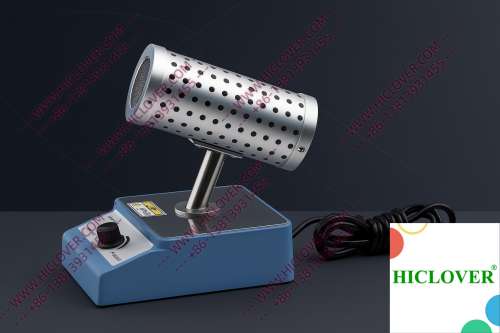
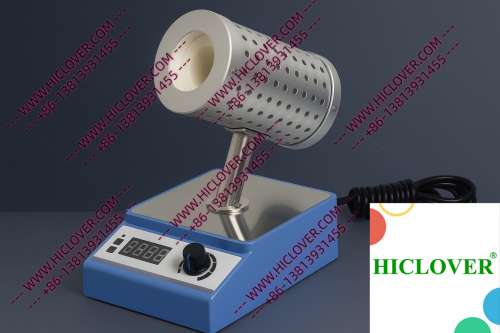
The Micro Incinerator utilizes an enclosed ceramic tube to generate infrared heat, achieving temperatures that rapidly sterilize inoculating loops and other lab instruments in seconds. The enclosed design not only minimizes the risk of flames escaping but also ensures that the sterilization is conducted without producing harmful aerosols. This technology offers a clean-bench-safe solution, ideal for both teaching laboratories and advanced research settings.
Advantages Over Traditional Flame Sterilizers
- Safety: No open flames minimize fire risks.
- Lower contamination risk: Aerosol-free operation protects lab personnel and samples.
- Efficiency: Achieves rapid sterilization without the need for alcohol or additional prep time.
- Eco-friendly: Reduced carbon footprint compared to traditional methods.
Application Scenarios in Real Labs
1. Biosafety Cabinets
In BSL-2 and BSL-3 laboratories, the Micro Incinerator provides a reliable method for sterilizing inoculating loops without compromising the sterile environment of the biosafety cabinet. Researchers can quickly pass their instruments through the sterile chamber, reducing potential contamination while adhering to laboratory safety protocols.
2. Field Testing and Teaching Laboratories
In remote field testing environments or university teaching labs, the portability and efficiency of the Micro Incinerator are invaluable. Educators can demonstrate sterile techniques without the risks associated with flame sterilizers, forging a safer learning experience for students. The compact design is perfect for on-site testing of various samples, where traditional flame-based methods might be unsuitable.
Compliance and Environmental Impact
Regulatory bodies, including the World Health Organization (WHO), emphasize the need for safe laboratory practices, particularly concerning sterilization equipment in biosafety environments. The Micro Incinerator aligns with these standards and offers multiple advantages, especially in cleanroom operations where flame sterilization is prohibited. By utilizing this alternative, laboratories can maintain compliance with international and national biosafety standards while minimizing their environmental impact.
Micro Incinerator vs. Flame Sterilizers: A Comparison
| Feature | Micro Incinerator | Flame Sterilizers |
|---|---|---|
| Open Flame | No | Yes |
| Aerosol Production | None | Yes |
| Efficiency | High | Moderate |
| Environmental Impact | Low | High |
FAQs
- What is the average sterilization time with a Micro Incinerator? The Micro Incinerator typically achieves full sterilization in less than 5 seconds.
- Can a Micro Incinerator be used in a biosafety cabinet? Absolutely, it is specifically designed to be safe and efficient in biosafety cabinets.
- How environmentally friendly is a Micro Incinerator compared to traditional methods? The Micro Incinerator significantly reduces the carbon footprint by eliminating the need for alcohol and open flames.
- Is the Micro Incinerator suitable for field applications? Yes, its compact and portable design makes it ideal for field testing scenarios.
- How do I maintain a Micro Incinerator? Regular cleaning of the ceramic tube and following manufacturer guidelines for usage are typically sufficient for maintenance.
Conclusion
Switching to the Micro Incinerator and infrared inoculating loop sterilizers presents an opportunity for laboratories to enhance their sterilization protocols while adhering to safety and environmental standards. Whether in a clinical diagnostics lab, a university setting, or on-the-go in mobile testing, this clean and green alternative revolutionizes how we approach sterilization. For those interested in adopting a more sustainable sterilization method, we invite you to contact us for more information about our high-quality Micro Incinerators.
Categories:
Tags: