
Laboratories face numerous biosafety challenges, particularly when it comes to effective contamination control and sterilization workflows. Every laboratory strives to maintain a clean environment, whether in a bustling clinical diagnostics lab or a quiet university teaching facility. Traditional flame sterilizers like alcohol lamps or Bunsen burners often fall short in providing a safe and efficient solution, prompting the exploration of advanced sterilization technologies such as the Micro Incinerator or Infrared Inoculating Loop Sterilizer.
Understanding the Technical Principles
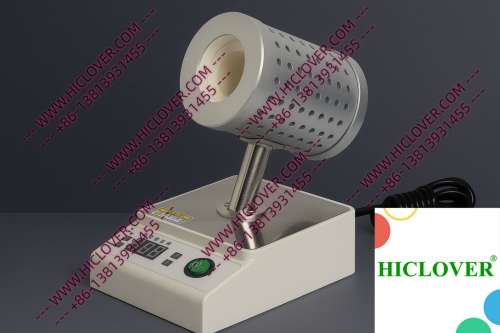
The Micro Incinerator operates on a principle of rapid thermal sterilization through infrared heat. This innovative device comprises an enclosed ceramic tube that generates high temperatures, capable of incinerating biological samples and microorganisms effectively. The ceramic heating chamber ensures that sterilization is achieved without the introduction of open flames, making it ideal for use in cleanrooms and biosafety cabinets.
Unlike traditional flame sterilizers, the infrared technology used in this sterilizer also minimizes the risk of hazardous aerosols, providing a clean-bench-safe environment. With an average heating time of just a few seconds, this device significantly enhances workflow efficiency, ensuring that scientists can focus more on their research rather than waste time on lengthy sterilization procedures.
Applications in Real Laboratories
1. Field Testing Labs
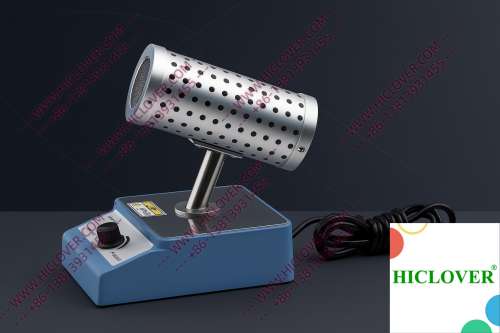
In mobile or field testing labs, the importance of rapid and effective sterilization cannot be overstated. The Micro Incinerator is lightweight and portable, making it an excellent option for field researchers who require immediate sterilization of inoculating loops after sampling. For example, environmental microbiologists conducting tests in isolated areas can rely on this device to ensure that contamination does not skew their results.
2. University Teaching Labs
In academic settings, the Micro Incinerator is a favorite among educators demonstrating microbiology techniques. Given that students often work with pathogens or microbial cultures, the device provides a reliable and safe means of sterilization without the hazards associated with open flames. Its precision allows for controlled sterilization, crucial for maintaining safe laboratory practices while fostering an educational environment that prioritizes safety.
Compliance and Environmental Considerations
Establishing compliance with biosafety standards is critical for laboratories, particularly in BSL-2 and BSL-3 environments. Organizations like the World Health Organization (WHO) underline the significance of adhering to strict laboratory sterilization protocols. One of the best practices recommended is the elimination of open flames in cleanrooms, as they can introduce particulate contamination and aerosols to the environment.
The Micro Incinerator meets rigorous lab sterilization standards with its enclosed system that promotes a clean and safe workspace. Fewer emissions and reduced risks of cross-contamination make this device suitable for environmentally-conscious labs striving to uphold their commitment to sustainability and safety. Furthermore, its efficiency in sterilization directly contributes to waste reduction, which is a growing concern among regulatory bodies in urban centers like New York or London.
Advantages vs. Traditional Flame Sterilizers
When considering the transition from traditional sterilization methods to innovative alternatives like the Micro Incinerator, the advantages are substantial:
- Rapid Sterilization: Cuts down on wait times between use.
- Thermal Control: Offers consistent temperatures and minimized risk of burns.
- Environmental Safety: Eliminates open flames, making it suitable for cleanroom applications.
- Aerosol-Free Handling: Reduces contamination risks significantly.
- Cost-Effective: Eliminates the need for reusable alcohol lamps and reduces supply costs over time.
Comparison Table: Micro Incinerator vs. Traditional Flame Sterilizers
| Feature | Micro Incinerator | Flame Sterilizer |
|---|---|---|
| Heat Source | Infrared | Open Flame |
| Sterilization Time | Seconds | Variable |
| Safety | High (no open flames) | Moderate (risk of burns) |
| Aerosol Risk | Low | High |
| Clean Room Compliance | Yes | No |
Frequently Asked Questions
- What is the primary use of a Micro Incinerator?
The Micro Incinerator is primarily used for rapid sterilization of inoculating loops and other lab tools, eliminating risk of contamination in samples and environments. - How does infrared sterilization work?
Infrared sterilization uses high temperatures produced by ceramic elements to incinerate biological materials effectively, making it faster and safer than flame sterilizers. - Is the Micro Incinerator safe for cleanroom environments?
Yes, the Micro Incinerator is designed for cleanroom use, emitting no aerosols and operating without open flames, thereby ensuring compliance with biosafety standards. - Can this device be used in educational settings?
Absolutely, it is ideal for university teaching labs, allowing students to learn microbiological techniques safely and efficiently. - What are the power requirements for the Micro Incinerator?
The Micro Incinerator typically operates on standard laboratory voltage, but it’s best to consult the manufacturer for specific power needs.
Conclusion
With an increasing focus on laboratory safety, the Micro Incinerator or Infrared Inoculating Loop Sterilizer stands out as a pivotal tool for modern science. Its advanced sterilization capabilities not only ensure compliance with essential biosafety standards but also enhance workflow efficiency across various laboratory settings. Transitioning to this advanced sterilization method is not just a choice; it’s a commitment to a cleaner, safer, and more effective research environment. For further information or to place an order for the Micro Incinerator, please contact us today! Your laboratory deserves the best in safety and efficiency.
Categories:
Tags: