
The ever-evolving landscape of laboratory biosafety poses numerous challenges for scientists and researchers around the globe. In laboratories, especially in environments like biosafety level 2 (BSL-2) and BSL-3 microbiology labs, it is crucial to maintain stringent sterilization workflows to prevent contamination. As traditional sterilization methods such as alcohol lamps and Bunsen burners may introduce safety concerns, especially with flame usage in clean rooms, newer sterilization technologies must be explored. One innovative solution is the Micro Incinerator, or Infrared Inoculating Loop Sterilizer, designed to optimize laboratory hygiene through rapid thermal sterilization and contamination control.
Understanding the Technical Principles
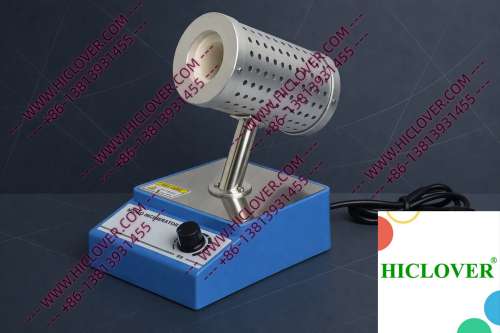
The Micro Incinerator employs advanced infrared heating technology to achieve high-temperature disinfection of inoculating loops and other lab tools. Unlike traditional flame sterilization methods that rely on combustion, the Micro Incinerator utilizes an enclosed ceramic heating chamber that provides rapid, uniform heat. This design ensures optimal sterilization without producing aerosols or requiring open flames, making it an excellent choice for clean bench applications.
As highlighted below, the average temperature of the ceramic tube reaches well over 800°C within seconds, ensuring all microbial life is eradicated effectively:
- Infrared heat technology generates consistent temperatures quickly.
- The enclosed design prevents the escape of contaminants and ensures a clean working environment.
- Erases the risk commonly associated with flames, such as burns or igniting flammable materials.
- WHO and CDC biosafety guidelines recommend eliminating open flames in BSL-2 and BSL-3 labs.
- Laboratory sterilization standards necessitate methods that prevent contamination and exposure.
- Flame sterilizers like Bunsen burners can create aerosols, which the Micro Incinerator eliminates.
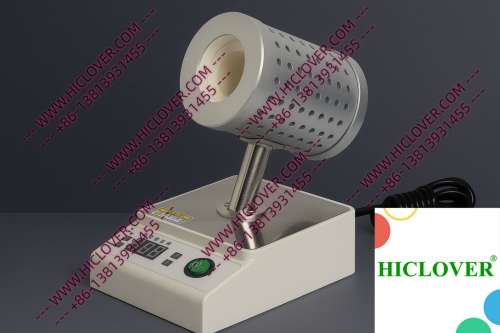
Applications in Real Laboratory Scenarios
The versatility of the Micro Incinerator lends itself well to various application scenarios, each demanding strict adherence to laboratory hygiene protocols. Here are two examples:
1. Biosafety Cabinet Operations
In a biosafety cabinet, researchers must ensure that all tools used for handling biohazardous materials are sterilized effectively. The Micro Incinerator is perfect for this environment, as it allows for quick sterilization while minimizing the risk of cross-contamination. Researchers can effortlessly pass their inoculating loops through the sterilizer, achieving instant sterilization without the need for external flame sources.
2. Teaching Laboratories
In educational environments, such as university laboratories, where students gain hands-on experience with microbiological techniques, the risk of accidents from flames can be a concern. Utilizing Micro Incinerators allows students to focus on learning essential techniques without the added worry of using fire. This safety aspect is particularly important for younger or inexperienced students, promoting both an engaging and safe learning environment.
Compliance and Standards
Adhering to international biosafety standards is essential in laboratory settings. The World Health Organization (WHO) outlines stringent biosafety protocols that emphasize the importance of effective sterilization methods. The Micro Incinerator complies with these standards, offering a flame-free solution while ensuring laboratories remain safe and secure from potential fire hazards.
Some of the key compliance points include:
Advantages of Micro Incinerators vs. Traditional Flame Sterilizers
The benefits of using a Micro Incinerator extend far beyond operational convenience. Below is a comparative overview of its advantages compared to traditional flame sterilizers:
| Feature | Micro Incinerator | Flame Burners |
|---|---|---|
| Safety | No open flame, reducing fire hazards | Open flame poses burn risk |
| Time Efficiency | Heats up rapidly (seconds) | Longer heating time |
| Contamination Control | Aerosol-free handling | Aerosols can spread contaminants |
| Ease of Use | Simply insert tools for sterilization | Requires careful regulation of flame |
Frequently Asked Questions
What is a Micro Incinerator?
A Micro Incinerator is an infrared inoculating loop sterilizer designed to provide rapid thermal sterilization in a safe and efficient manner, eliminating the risks associated with traditional flame sterilizers.
How does the sterilization process work?
The Micro Incinerator uses infrared technology to heat an enclosed ceramic tube to high temperatures, effectively killing microbial life without producing aerosols.
What are the key benefits of using a Micro Incinerator in a lab setting?
Using a Micro Incinerator enhances laboratory safety, improves sterilization efficiency, and ensures compliance with biosafety protocols, especially in BSL-2 and BSL-3 labs.
Can a Micro Incinerator be used in educational settings?
Absolutely! The Micro Incinerator is ideal for teaching laboratories where safety is critical, enabling students to learn sterilization techniques without the hazards of using a flame.
Is the Micro Incinerator compliant with international safety standards?
Yes, it meets WHO biosafety guidelines and is designed for environments requiring stringent contamination control.
Conclusion
In summary, the Micro Incinerator is a revolutionary step forward in laboratory hygiene and safety. By converting outdated and hazardous flame sterilization methods into a safe, efficient, and compliant solution, this technology opens new horizons for laboratory work, particularly in demanding environments such as clinical diagnostics and educational frameworks. For laboratory supply distributors, hospitals, universities, and research institutions looking to upgrade their sterilization processes, the Micro Incinerator offers an unmatched combination of effectiveness and safety. Don’t put off transforming your lab strategies—reach out today to explore how our Micro Incinerators can enhance your practices.
Categories:
Tags: