
In today’s modern laboratory environments, the safety and efficiency of sterilization processes are paramount. Laboratory professionals face numerous challenges, particularly regarding biosafety and contamination control. Traditional methods, such as alcohol lamps and Bunsen burners, present risks of flame exposure, aerosol generation, and contamination across workspaces. As a response to these challenges, Micro Incinerators, or infrared inoculating loop sterilizers, are pushing the boundaries in safe and effective sterilization.
Understanding the Technical Principles
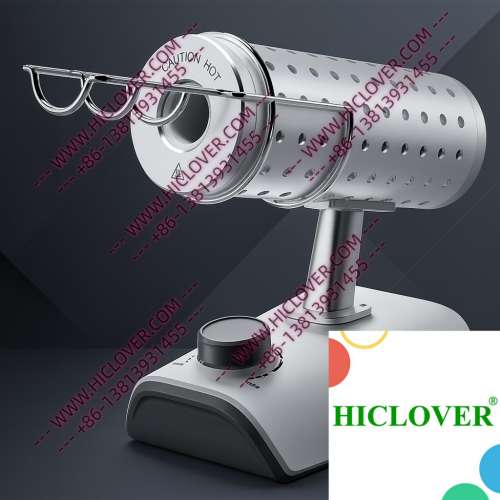
At the heart of Micro Incinerator technology is the principle of rapid thermal sterilization. Utilizing infrared heating systems, these devices create heat within an enclosed ceramic tube, allowing for high-temperature disinfection without open flames. The enclosed design significantly reduces the risk of contaminants being blown into the sterilization zone, ensuring clean-bench-safe conditions.
- Infrared heating provides precise temperature control.
- Enclosed ceramic tube ensures safe operation in biosafety cabinets.
- Aerosol-free handling promotes sterile environments.
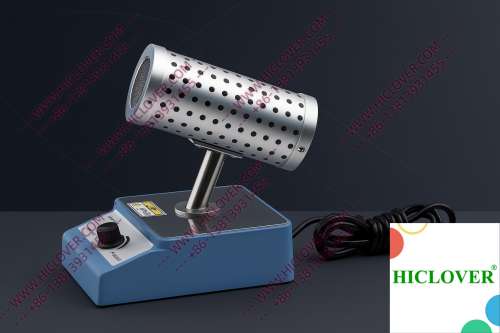
Benefits Over Traditional Flame Sterilizers
| Features | Micro Incinerator | Flame Burners |
|---|---|---|
| Safety | No open flames, reduced risk of flammable exposure | Open flame presents potential hazards |
| Speed of Sterilization | Rapid thermal sterilization with immediate results | Delayed heat-up time |
| Contamination Risk | Aerosol-free handling; reduced airflow disruptions | High risk of contaminating nearby surfaces and samples |
| Usability | Simple, plug-and-play operation | Requires skill for safe use |
Applications in Real Laboratories
Micro Incinerators shine in various laboratory scenarios. For instance, in BSL-2 and BSL-3 microbiology labs, where strict contamination control is vital, the enclosed design of these sterilizers allows for efficient operation within biosafety cabinets. They eliminate aerosols, ensuring that sensitive experiments remain undisturbed and free from environmental contaminants.
Another prime application is seen in university teaching labs, where instructional demonstrations of microbiological techniques require sterile conditions. Utilizing infrared inoculating loop sterilizers allows educators to safely demonstrate techniques without the risks associated with open flames. Students can focus on learning without the distraction of managing flame-based risk factors.
Compliance and Environmental Considerations
Compliance with established guidelines is crucial in laboratory operations. Regulations from the World Health Organization (WHO) and sterilization standards demand effective sterilization methods that minimize risks to personnel and the environment. Micro Incinerators comply with these guidelines by eliminating open flames and reducing harmful emissions, making them suitable for use in clean rooms and laboratories adhering to strict regulatory frameworks.
Using these devices also aligns with the increasing trend towards environmentally friendly laboratory practices. By reducing the need for alcohol and other flammable sterilizing agents, Micro Incinerators help decrease the overall environmental impact of laboratory operations.
FAQs
What is the main advantage of using a Micro Incinerator over traditional flame burners?
The primary advantage is enhanced safety, as Micro Incinerators eliminate open flames and the associated risk of fire hazards and aerosol generation.
Can Micro Incinerators be used in BSL-3 labs?
Yes, Micro Incinerators are designed to operate effectively in BSL-3 labs due to their enclosed heating systems and absence of flames, which aids in contamination control.
How does infrared heating work for sterilization?
Infrared heating works by emitting radiant energy that increases the temperature of the targeted surface rapidly, achieving sterilization quickly and effectively without the need for an open flame.
Are these devices portable for field testing applications?
Many Micro Incinerators are designed to be compact and portable, making them suitable for field testing environments where sterilization is still necessary.
What are the maintenance requirements of a Micro Incinerator?
Micro Incinerators typically require minimal maintenance—regularly checking the heating element and keeping the ceramic tube clean will ensure optimal performance.
Conclusion
The introduction of Micro Incinerators marks a significant advancement in the field of laboratory sterilization. Their safe, efficient, and environmentally friendly design positions them as the future of laboratory practices. By upgrading to infrared inoculating loop sterilizers, laboratories can comply with stringent biosafety standards while enhancing their sterilization workflow.
If you’re interested in equipping your laboratory with the latest in sterilization technology, contact us today for more information on our Micro Incinerator products. Whether for teaching labs, clinical diagnostics, or advanced research facilities, we have solutions to meet your specific needs.
Categories:
Tags: