
In modern laboratories, especially those operating under stringent biosafety protocols, the choice of sterilization equipment plays a pivotal role in infection control and efficient workflow. The practical challenges of maintaining biosafety levels, particularly in environments such as BSL-2 and BSL-3 laboratories, necessitate advanced sterilization methods. One fundamental aspect of these protocols involves the sterilization of inoculating loops, which are essential tools for microbiological studies.
Biosafety and Sterilization Workflow Demands
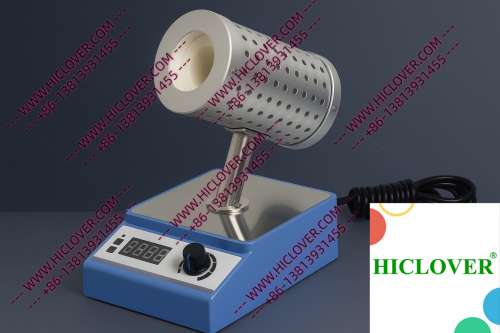
The introduction of innovations like the Micro Incinerator, or Infrared Inoculating Loop Sterilizer, addresses many of the concerns associated with traditional Bunsen burners and alcohol lamps. These problems include the risk of flames igniting flammable substances and the exposure of operators to open flames, which can lead to accidents if not carefully managed. The need for a clean-bench-safe option is paramount in preserving the integrity of lab environments while also streamlining sterilization processes.
Technical Principle of the Infrared Loop Sterilizer
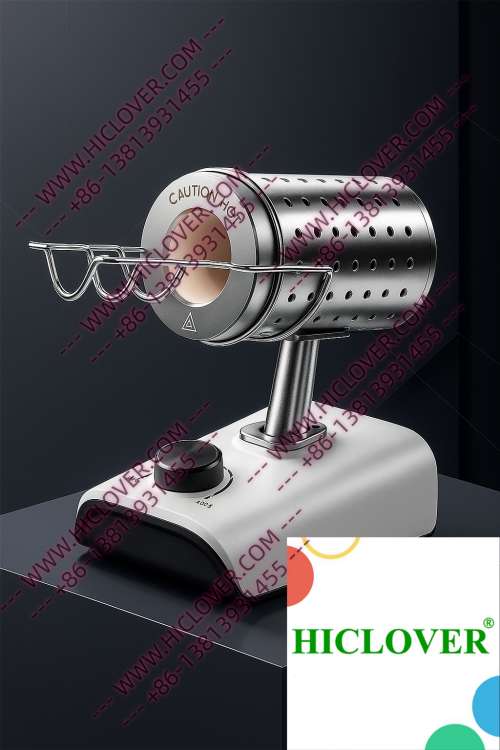
The Infrared Inoculating Loop Sterilizer employs a unique configuration, distinguishing it from traditional flame-based methods. It utilizes high-temperature infrared heat to achieve rapid thermal sterilization of inoculating loops. The device typically contains a ceramic heating chamber, where enclosed infrared light generates temperatures of up to 800°C in seconds. This design facilitates efficient heat transfer while significantly reducing the generation of aerosols, a common issue with flame burners.
- Rapid sterilization – Loop can be sterilized in under 10 seconds.
- Low maintenance – No need for fuel sources, consistent operation.
- Enhanced safety – No flames or risk of burns in the work area.
Application Scenarios in Real Laboratories
Understanding the utility of the Micro Incinerator requires examining specific laboratory scenarios:
Application in a BSL-2 Laboratory
In a BSL-2 microbiology lab, where the manipulation of non-pathogenic organisms takes place, maintaining a sterile environment is crucial. Utilizing the Micro Incinerator allows researchers to quickly sterilize inoculating loops without the risk of contaminating samples or creating aerosols that could spread biohazards. Unlike Bunsen burners, which require ongoing visibility and monitoring of flames, the infrared sterilizer provides a plug-and-play solution, enhancing overall workflow productivity.
Field Testing and Mobile Laboratories
For field testing laboratories, where mobility and ease of use are essential, the Micro Incinerator stands out as an ideal solution. Traditional methods such as alcohol lamps are often impractical in outdoor settings, where wind may extinguish the flame or blow contaminants onto the sterilizing element. With infrared technology, operators can achieve consistent sterilization results even in uncontrolled environments, providing a reliable method for immediately preparing inoculating tools.
Biosafety Compliance and Environmental Considerations
Compliance with biosafety standards is pivotal for laboratories globally. The World Health Organization (WHO) emphasizes that sterilization methods must not produce flames in clean rooms due to potential contamination risks. Regulatory guidelines like those provided by the Centers for Disease Control and Prevention (CDC) and the Environmental Protection Agency (EPA) also encourage the use of devices that minimize aerosol generation and improve decontamination procedures. Thus, the Infrared Inoculating Loop Sterilizer’s design aligns perfectly with these compliance mandates, offering a superior alternative to traditional flame sterilizers.
| Feature | Micro Incinerator | Traditional Bunsen Burner |
|---|---|---|
| Operational Method | Infrared heat | Open flame |
| Heat Response Time | Seconds | Variable |
| Aerosol Generation | None | High |
| Fuel Requirement | Electric | Gas |
| Safety | High | Moderate |
Frequently Asked Questions (FAQs)
What are the main advantages of using an Infrared Inoculating Loop Sterilizer?
The key benefits include rapid sterilization time, minimized aerosol generation, and increased safety, as there are no open flames involved.
Can I use the Micro Incinerator in a BSL-3 laboratory?
Yes, the Micro Incinerator is effective in BSL-3 labs, providing an efficient and safe method for sterilizing inoculation equipment.
How do infrared sterilizers compare to alcohol lamps in terms of usability?
Infrared sterilizers offer quick heating times and a more straightforward operational model without the need for maintaining fuel sources, making them generally easier to use than alcohol lamps.
Are there specific maintenance protocols for the Micro Incinerator?
Maintenance is very minimal; routine cleaning of the heating element and an annual inspection are recommended to ensure optimal performance.
Can the Micro Incinerator be used for field testing?
Absolutely! The portable design and ease of use make it highly suitable for mobile testing situations, unlike many traditional flame methods.
Conclusion
As laboratory workflows evolve, embracing the advancements offered by modern sterilization equipment is crucial for ensuring biosafety and operational efficacy. The Micro Incinerator / Infrared Inoculating Loop Sterilizer exemplifies a significant leap forward in sterilization methods, addressing the limitations of traditional flame burners while prioritizing personnel safety and compliance with international standards. For laboratories seeking to upgrade their sterilization solutions, exploring the benefits of this innovative product is highly recommended. Contact us today to learn more about integrating this essential sterilization tool into your laboratory environment.
Categories:
Tags: