
In laboratory environments, particularly in fields involving biosafety, the challenges of controlling contamination and ensuring thorough sterilization are ever-present. Traditional methods of sterilization often introduce risks, not only in effectiveness but also in safety and efficiency. With the rise of advanced laboratory sterilization equipment, such as the Micro Incinerator or Infrared Inoculating Loop Sterilizer, labs in Perth and beyond are experiencing a paradigm shift in their sterilization workflows.
The Technical Principles Behind Micro Incinerators
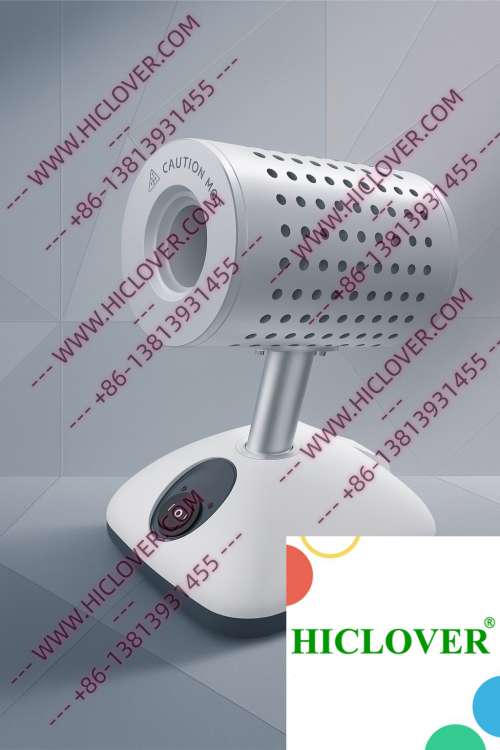
The Micro Incinerator employs rapid thermal sterilization principles through the use of infrared heat. This innovative device features an enclosed ceramic heating chamber designed for high-temperature disinfection, which can achieve temperatures exceeding 800°C. This ensures the inactivation of a wide range of pathogens, providing optimal contamination control without the byproducts associated with traditional flame-based sterilization methods.
Working on the principle of infrared radiation, the Micro Incinerator allows for efficient heating of inoculating loops and other small laboratory instruments, achieving sterilization in mere seconds. The design eliminates the need for open flames, reducing risks associated with burns, explosions, and contaminants entering the air, making it a clean-bench-safe solution for various laboratory scenarios.
Real-World Applications of Micro Incinerators
Application Scenario 1: BSL-2 and BSL-3 Laboratories
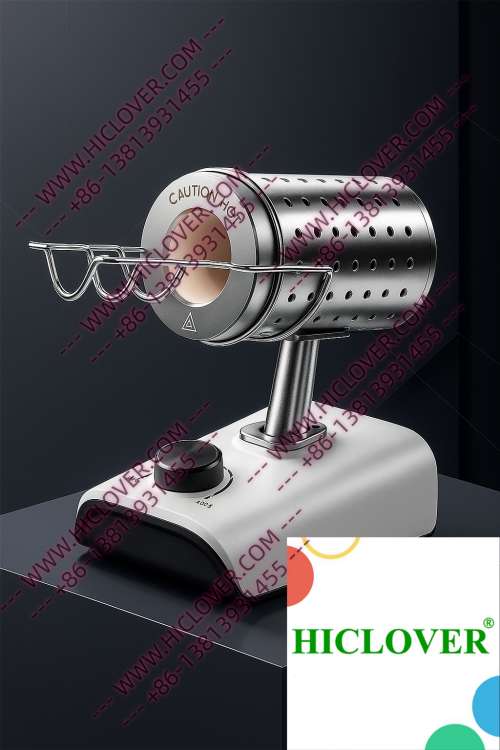
In laboratories classified under BSL-2 and BSL-3, where biological agents pose a moderate to high risk, the Micro Incinerator excels as a crucial component of the biosafety cabinet sterilization process. When microbiologists need to transfer pathogens from cultures, immediate sterilization of their loops is essential to prevent cross-contamination. Using a Micro Incinerator ensures that sterile handling is maintained, allowing researchers to conduct their work with confidence in their contamination control protocols.
Application Scenario 2: Field Testing Labs
Mobile and field testing labs, often deployed in remote areas for environmental sampling or emergency response, greatly benefit from the Micro Incinerator’s portability and efficacy. In such settings, reliable sterilization methods are critical for accurate sample integrity and for the safety of the personnel involved. The quick turnaround of sterilizing inoculating loops on-site minimizes delays, ensuring that testing can proceed unhindered by concerns about contamination.
Compliance and Environmental Considerations
Adhering to biosafety standards is non-negotiable for laboratories handling potentially hazardous materials. The World Health Organization (WHO) emphasizes the necessity of ensuring sterile environments to control infection risks. Transitioning from traditional flame sterilizers to Micro Incinerators supports compliance with required laboratory sterilization standards, particularly in clean rooms where open flames are prohibited.
Moreover, the eco-friendliness of the Micro Incinerator stands out; it eliminates the need for alcohol lamps and other flammable substances, thereby reducing the environmental footprint related to medical waste disposal. The operational efficiency incident to this technology diminishes the generation of smoke and odor, contributing positively to the work environment.
Comparative Analysis: Micro Incinerator vs. Traditional Flame Sterilizers
| Feature | Micro Incinerator | Flame Sterilizers |
|---|---|---|
| Temperature Control | Precise infrared heating | Variable; difficult to control |
| Safety | Flame-free; reduced risk | Open flames; potential hazards |
| Speed of Sterilization | Seconds | Varies; often longer |
| Portability | Highly portable | Dependent on fuel supply |
| Environmental Impact | Lower emissions | Higher emissions and waste |
FAQs about Micro Incinerators in Laboratory Settings
- What makes the Micro Incinerator the best choice for laboratory sterilization?
Its rapid thermal sterilization capability combined with safety and eco-friendly design sets it apart from traditional methods. - Can I use a Micro Incinerator in a clean room?
Yes, the Micro Incinerator is specifically designed for use in clean rooms as it eliminates open flames and the associated risks. - How does the Micro Incinerator compare to traditional sterilizers in terms of speed?
It achieves sterilization in seconds compared to longer durations often required by traditional methods. - Is the Micro Incinerator suitable for BSL-3 laboratory use?
Absolutely, it is ideal for BSL-2 and BSL-3 settings, ensuring high levels of biosafety during sterilization. - What maintenance is required for the Micro Incinerator?
Minimal maintenance is needed, mainly ensuring the ceramic chamber remains clean and unobstructed for optimal performance.
Conclusion
The revolution of medical waste disposal and laboratory sterilization through the Micro Incinerator represents a significant leap in laboratory safety and efficacy. With its advanced sterilization technology, BSL-2 and BSL-3 labs in Perth are embracing a cleaner, more efficient way to manage their sterilization needs. By investing in state-of-the-art Micro Incinerators, laboratories can ensure compliance with biosafety standards while improving workflow efficiency.
If you are ready to elevate your laboratory’s sterilization capabilities and contribute to an enhanced biosafety culture, reach out today for more information on how to integrate Micro Incinerators into your laboratory protocols!
Categories:
Tags: