
In the bustling urban environment of Mumbai, effective waste management is a persistent challenge. As the city grapples with increasing waste generation, particularly hazardous waste from laboratories and clinical settings, the demand for reliable and efficient sterilization solutions is greater than ever. This is where the Clean City Initiative steps in, employing advanced technologies such as micro incinerators, particularly the Infrared Inoculating Loop Sterilizer, to tackle waste-related issues while ensuring compliance with biosafety standards.
Biosafety Challenges in Laboratories
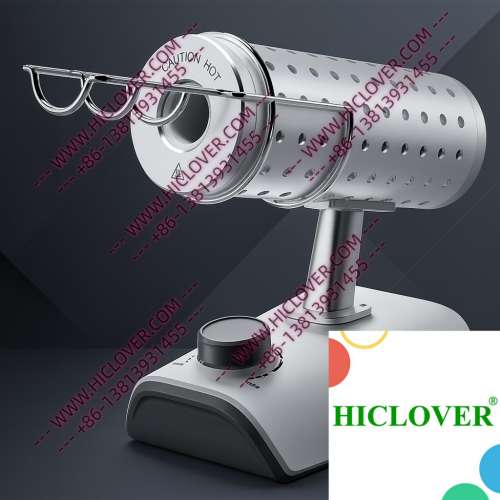
Laboratories, especially those operating at BSL-2 and BSL-3 levels, face rigorous biosafety challenges. Effective sterilization of inoculating loops, culture tubes, and other laboratory instruments is paramount in preventing contamination and maintaining a sterile environment. Traditional sterilization methods, such as alcohol lamps and Bunsen burners, often introduce risks, including open flames, aerosols, and the potential for incomplete sterilization. This can compromise the integrity of sensitive experiments and research.
The Technical Principles Behind Micro Incinerators
Micro incinerators utilize rapid thermal sterilization through infrared heat, making them an ideal solution for laboratories that require clean bench conditions. Built with an enclosed ceramic heating chamber, these devices provide a flame-free environment that minimizes the risk of contamination while achieving high-temperature disinfection rapidly. The configuration of the Infrared Inoculating Loop Sterilizer ensures that instruments are uniformly heated, effectively eliminating microbial contaminants without the need for chemical agents that may leave residues.
Product Configuration and Advantages
- Infrared heating technology reduces sterilization time to just a few seconds.
- Compact and portable design suitable for various laboratory settings.
- Environmentally friendly—no open flames or toxic fumes.
- Enhanced safety profile—clean-bench-safe operation eliminates aerosol generation.
Applications in Real Laboratory Scenarios
Micro incinerators have diverse applications across various laboratory environments:
1. Biosafety Cabinets
In BSL-2 microbiology labs, maintaining a sterile work environment is crucial. The Infrared Inoculating Loop Sterilizer fits seamlessly within biosafety cabinets, allowing microbiologists to sterilize inoculating loops and other instruments swiftly and safely without exposing the sterile field to potential contaminants. The rapid heating capability ensures that researchers can maintain workflow efficiency while adhering to strict sterilization protocols.
2. Field Testing Laboratories
Mobile and field testing labs often operate in environments lacking sophisticated sterilization resources. The compact design of micro incinerators allows for their easy transport and use in various settings. When researchers conduct tests in remote locations, effective sterilization of sampling equipment is vital. The ability to perform rapid, high-temperature disinfection without the risks associated with flame sterilizers makes micro incinerators an invaluable tool for field studies.
Compliance and Environmental Considerations
Micro incinerators align with major global biosafety guidelines, including those set out by the World Health Organization (WHO). These devices adhere to lab sterilization standards that recommend strict contamination control. Specifically, with tighter controls imposed in clean rooms and clinical diagnostics, the absence of open flames in micro incinerators helps maintain a clean and safe working environment. Additionally, using infrared sterilization technology significantly reduces environmental impacts by minimizing chemicals and waste associated with traditional sterilization methods.
Compliance Reference: Micro Incinerator methods comply with WHO biosafety regulations—no flame, no fumes, fully enclosed design for optimal safety.
Comparison of Micro Incinerators vs. Flame Burners
| Feature | Micro Incinerator | Flame Burners |
|---|---|---|
| Heating Time | Seconds | Minutes |
| Safety Profile | Flame-Free | Open Flame |
| Contamination Risk | Aerosol-Free | Higher Risk |
| Ease of Use | Portable, Compact | Bulky, Non-portable |
Frequently Asked Questions
What are the advantages of using a micro incinerator over a flame burner?
Micro incinerators offer faster sterilization times, reduce aerosol generation, and provide a safer, flame-free sterilization environment. This ensures better contamination control, particularly in sensitive laboratory settings.
Can micro incinerators be used in mobile labs?
Yes, their lightweight and compact design makes them ideal for mobile or field testing laboratories.
What are the operational safety features of a micro incinerator?
These devices are designed with enclosed heating elements, preventing fire hazards and minimizing burn risk, thereby adhering to strict biosafety standards.
How often should the micro incinerator be serviced?
Regular maintenance is recommended based on the frequency of use and manufacturer guidelines to ensure optimal performance and safety.
Are micro incinerators environmentally friendly?
Yes, micro incinerators utilize infrared technology that reduces the need for harmful chemicals and minimizes waste, making them an eco-friendly option for sterilization.
Conclusion: Embracing a Cleaner Future
The Clean City Initiative in Mumbai is a testament to how modern technology can address long-standing waste management and sterilization challenges. By incorporating micro incinerators, particularly infrared inoculating loop sterilizers, laboratories can elevate their biosafety protocols while contributing to a cleaner urban environment. For laboratories and institutions committed to improving workflow efficiency and maintaining safety standards, investing in these cutting-edge sterilization solutions is a vital step towards a more sustainable future.
Contact us today to learn more about how our Micro Incinerators can elevate your laboratory’s sterilization processes!
Categories:
Tags: