
Laboratories face a myriad of biosafety challenges when dealing with microbial cultures, particularly in urban settings where space and contamination control are paramount. As laboratory workflow demands increase, so does the need for effective sterilization equipment. Micro incinerators, specifically the Infrared Inoculating Loop Sterilizer, have emerged as game-changers, offering significant advantages over traditional sterilization methods such as alcohol lamps and Bunsen burners.
Understanding Micro Incinerators: Technical Principles
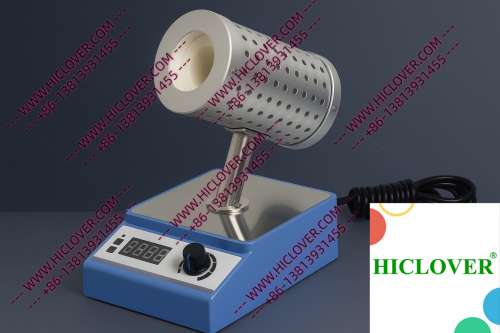
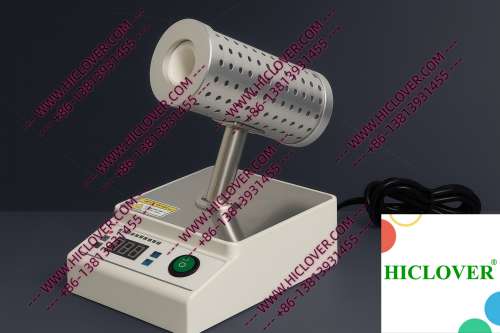
Micro incinerators utilize infrared heating technology to achieve high-temperature disinfection, providing rapid thermal sterilization that is both efficient and safe. These devices feature an enclosed ceramic heating chamber capable of reaching temperatures upwards of 800°C, effectively sterilizing inoculating loops, needles, and other laboratory tools without the risk of flame or uncontrolled smoke. Unlike traditional sterilizers, the ceramic tube configuration maintains consistent heat, ensuring thorough sterilization while preventing cross-contamination.
Advantages Over Traditional Flame Sterilizers
- Controlled Environment: The enclosed design prevents the release of aerosols, making it ideal for clean rooms and BSL-2/BSL-3 microbiology labs.
- Rapid Sterilization: Infrared heating allows for immediate use, minimizing wait times associated with flame-based methods.
- Safety Compliance: No open flames mean reduced risk of fire hazards in sensitive laboratory environments.
- Clean-Bench-Safe: Designed for optimal use within biosafety cabinets, ensuring worker safety and specimen integrity.
Application Scenarios in Laboratory Settings
1. University Teaching Labs
In university teaching labs, where students are routinely trained in microbial handling, the Micro Incinerator plays a crucial role in maintaining a sterile environment. As students practice inoculation techniques, the need for rapid and reliable sterilization of loops and other tools is critical. This technology ensures that each tool is ready for immediate use, promoting effective learning and adherence to safety protocols.
2. Field Testing and Mobile Labs
For mobile or field testing labs, utilizing a micro incinerator is essential. These laboratories often work in variable environments where traditional flame sterilization is impractical. The compact, flame-free design of the Infrared Inoculating Loop Sterilizer provides researchers with the ability to safely sterilize instruments in the field—ensuring the integrity of samples and accurate results in urban testing sites.
Compliance and Environmental Considerations
Adhering to biosafety standards is essential for laboratory operations, especially within urban areas where regulations are stringent. The World Health Organization (WHO) and various national standards advocate for safe laboratory practices, particularly in handling potentially infectious materials. Traditional flame sterilizers pose risks, not only from fire hazards but also due to the potential for aerosol generation, which can contaminate the workspace. Micro incinerators mitigate these risks by eliminating open flames and ensuring compliance with safety protocols in clean environments.
| Feature | Micro Incinerator | Traditional Flame Sterilizers |
|---|---|---|
| Temperature Control | Precise & adjustable | Variable & unpredictable |
| Safety | No open flame | Risk of fire hazards |
| Speed of Sterilization | Immediate | Longer wait times |
| Aerosol Generation | None | Possible |
| Compatibility with Clean Rooms | Ideal | Poor |
FAQs About Micro Incinerators
What is an Infrared Inoculating Loop Sterilizer?
An Infrared Inoculating Loop Sterilizer is a high-efficiency sterilization device that utilizes infrared heat to sterilize laboratory tools, ensuring quick and effective disinfection without the use of open flames.
Why choose micro incinerators over traditional flame sterilizers?
Micro incinerators provide a safer and more efficient means of sterilization by eliminating fire hazards and reducing contamination risks associated with aerosol generation.
Are micro incinerators suitable for BSL-2 and BSL-3 labs?
Yes, micro incinerators are designed for use in BSL-2 and BSL-3 laboratories, providing the necessary compliance with biosafety standards and ensuring a sterile workspace.
How do I maintain a micro incinerator?
Maintenance is minimal; regular cleaning of the ceramic heating element is recommended to ensure consistent performance. Always consult the manufacturer’s guidelines for specific maintenance procedures.
Can micro incinerators be used in mobile labs?
Absolutely! Their compact design and safety features make micro incinerators an ideal choice for mobile or field testing labs, allowing for reliable sterilization anywhere.
Conclusion
As urban laboratories confront the challenges of biosafety and contamination control, the adoption of high-efficiency micro incinerators becomes increasingly essential. They align perfectly with modern laboratory needs, offering unmatched safety, efficiency, and compliance with international sterilization standards. If you’re looking for advanced laboratory sterilization solutions, consider exploring the benefits of the Micro Incinerator / Infrared Inoculating Loop Sterilizer for your facility. For inquiries, feel free to contact us today for expert advice and high-quality solutions tailored to your laboratory needs.
Categories:
Tags: