
Amid the rising challenges of laboratory biosafety and waste disposal, the introduction of advanced sterilization technologies is transforming the way we manage biological waste. Laboratories, especially those operating under BSL-2 and BSL-3 conditions, face stringent demands for rapid thermal sterilization solutions. Traditional methods, such as alcohol lamps and Bunsen burners, pose significant risks related to contamination control and aerosol generation. Enter the micro incinerator, a cutting-edge solution that’s changing the game for waste disposal.
Understanding the Technical Principles
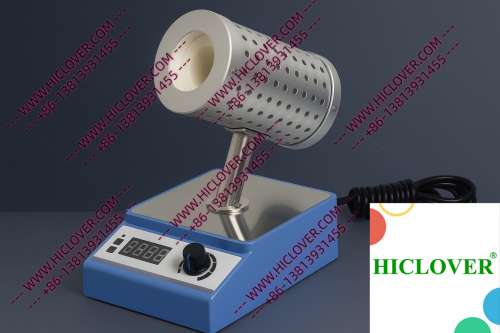
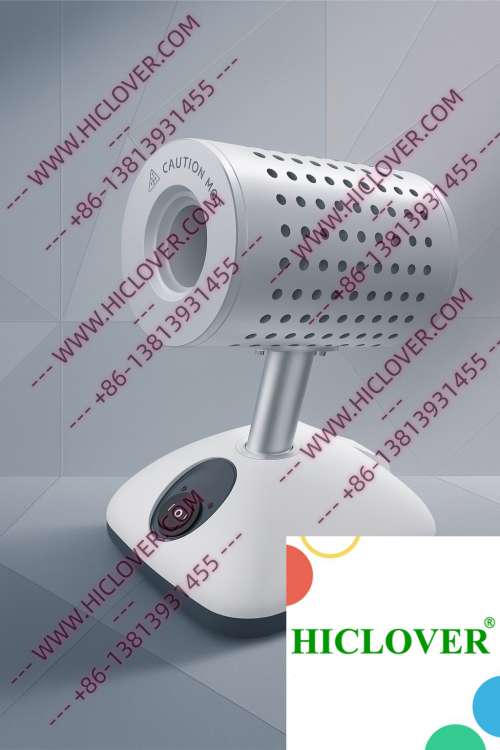
The Micro Incinerator / Infrared Inoculating Loop Sterilizer operates on the principle of rapid and efficient sterilization through infrared heat. Unlike traditional flame-based systems, this equipment utilizes an enclosed ceramic tube that achieves high temperatures without open flames. The infrared technology ensures uniform heating of the inoculating loops and other tools, effectively eliminating microbial contamination in a clean-bench-safe manner.
Key features of the micro incinerator include:
- Rapid Heating: Achieves temperatures exceeding 800°C almost instantly.
- Enclosed Design: Minimizes the risk of accidental burns and contamination.
- Energy Efficiency: Consumes less power compared to traditional systems.
- Portability: Ideal for field testing and mobile laboratory applications.
Applications in Real Labs
Micro incinerators find extensive use in various laboratory environments, including:
Biosafety Cabinets
Within a biosafety cabinet, maintaining a sterile environment is crucial. The micro incinerator provides a flame-free method to sterilize inoculating loops and other tools, ensuring that no aerosols compromise the safety of the operative area. Its quick sterilization cycle enables researchers to maintain workflow efficiency without sacrificing safety or sterility.
University Teaching Labs
In educational settings, the Micro Incinerator serves as an excellent teaching aid. It allows students to learn the importance of effective sterilization practices without the hazards associated with open flames. This technology is also beneficial during experimental procedures where contamination control is paramount, enabling students to handle cultures responsibly.
Compliance and Environmental Standards
Ensuring compliance with WHO biosafety standards is essential for laboratories encountering biological materials. The micro incinerator aligns with international lab sterilization standards and protocols for safe operation in clean rooms. The elimination of exposed flames contributes to a lower risk of fire hazards within sensitive environments.
In South Korea, laboratories are increasingly adopting this technology in an effort to maintain cleaner cities by revolutionizing waste disposal practices. The micro incinerator’s efficient waste management capabilities lead to reduced landfill reliance and lower carbon footprints.
Micro Incinerator vs. Traditional Flame Burners
| Feature | Micro Incinerator | Flame Burners |
|---|---|---|
| Energy Consumption | Lower | Higher |
| Operational Safety | High | Moderate to Low |
| Contamination Control | Excellent | Poor |
| Heating Speed | Rapid | Slow |
| Environmentally Friendly | Yes | No |
FAQs
What types of laboratories benefit most from micro incinerators?
Laboratories operating under BSL-2 and BSL-3 safety levels, clinical diagnostics labs, and teaching laboratories greatly benefit from improved sterilization methods.
How do micro incinerators enhance laboratory workflows?
Micro incinerators facilitate rapid sterilization, enabling continuous workflow without interruption and reducing the time required for tool preparation.
What are the key safety features of micro incinerators?
Key safety features include enclosed operation, rapid heating without flames, and energy-efficient design, providing a safer alternative to traditional flame sterilizers.
How do micro incinerators comply with international biosafety standards?
The micro incinerator’s technology eliminates the risks associated with flame sterilization, aligning with WHO guidelines and enhancing cleanliness in laboratory environments.
Can micro incinerators be used in field testing applications?
Yes, their portability and energy efficiency make them an ideal choice for mobile lab applications and field testing environments.
Conclusion
As environmental concerns rise and the demand for efficient laboratory operations grows, the adoption of micro incinerators is paving the way for cleaner cities in South Korea and beyond. Not only do they offer rapid thermal sterilization, but they also adhere to strict safety and environmental standards, making them indispensable in modern laboratory settings.
Explore how micro incinerators can improve your lab’s sterilization processes and contribute to a more sustainable future. Don’t hesitate to contact us for your procurement needs!
Categories:
Tags: