
The rapid accumulation of biomedical waste poses significant biosafety challenges for laboratories, especially in developing countries like Kuwait. The need for reliable sterilization techniques cannot be overstated. Traditional flame sterilizers such as alcohol lamps and Bunsen burners have been widely used; however, they present issues related to safety, efficiency, and environmental impact. Enter the Micro Incinerator or Infrared Inoculating Loop Sterilizer—a revolutionary tool poised to transform the landscape of laboratory sterilization.
Technical Principles of Micro Incinerators
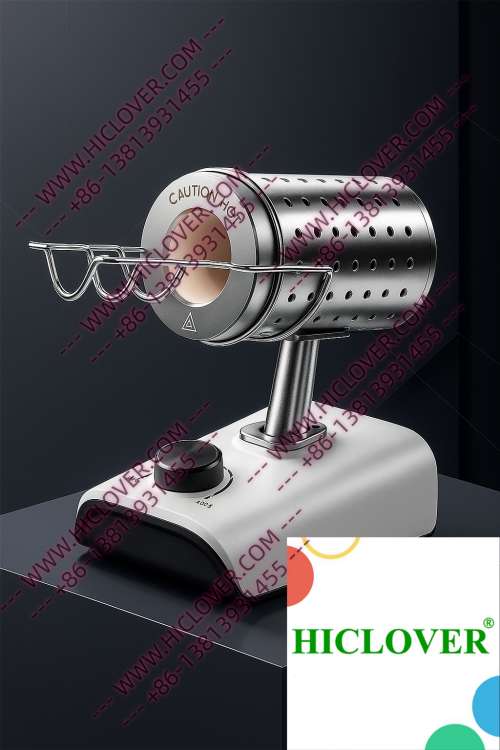
The Micro Incinerator employs infrared heat to achieve rapid thermal sterilization. This innovative device features an enclosed ceramic heating chamber that provides high-temperature disinfection while eliminating the risks associated with open flames. The infrared technology enables users to achieve desired temperatures within seconds, making the sterilization process not only faster but also more controlled than traditional methods.
This compact, user-friendly device is equipped for aerosol-free handling, minimizing the risk of contamination and ensuring a sterile work environment. Micro Incinerators are suitable for various lab environments, including BSL-2 and BSL-3 microbiology labs, clinical diagnostics, and even university teaching labs, making them incredibly versatile.
Applications of Micro Incinerators in Laboratory Settings
Micro Incinerators find utility in multiple laboratory scenarios, significantly enhancing sterilization workflows. Here are two notable applications:
- Biosafety Cabinets: In a BSL-2 lab setting, the Micro Incinerator can be used within a biosafety cabinet to sterilize inoculating loops while ensuring the safety of the user and the surrounding environment. The device operates without the risk of flame, aligning with strict biosafety guidelines.
- Field Testing Labs: Mobile laboratories conducting field tests can benefit from the portability and efficiency of Micro Incinerators. These labs often operate under challenging conditions where access to traditional sterilization methods may be limited, making the infrared sterilizer a vital tool.
Compliance with Biosafety Standards
The implementation of Micro Incinerators adheres to various biosafety standards set by organizations such as the World Health Organization (WHO). These devices eliminate the need for open flames, making them ideal for use in clean rooms where maintaining a sterile environment is essential. Compliance with laboratory sterilization standards not only enhances safety but also improves workflow efficiency across diverse laboratory settings.
Regulatory compliance is increasingly critical, especially for laboratories operating in Kuwait, where rising waste disposal issues necessitate effective waste management solutions. Innovations like the Micro Incinerator support environmentally responsible principles by minimizing emissions compared to traditional incineration practices.
Micro Incinerator vs. Traditional Flame Burners
The following comparison highlights the advantages of Micro Incinerators over traditional flame sterilizers such as alcohol lamps and Bunsen burners:
| Feature | Micro Incinerator | Flame Burners |
|---|---|---|
| Heat Source | Infrared Heat | Open Flame |
| Efficiency | Rapid Thermal Sterilization | Time-Consuming |
| Safety | No Open Flame | Risk of Fire Hazard |
| Portability | Compact and Mobile | Bulky Setup |
| Aerosol Management | Aerosol-Free Handling | Aerosol Generation |
Benefits of Using Micro Incinerators
The advantages of Micro Incinerators in laboratory settings extend beyond just safety and efficiency, making them a preferred choice for many laboratories. Here are several critical benefits:
- Enhanced Sterilization: Provides rapid thermal sterilization which reduces downtime and enhances productivity.
- Contamination Control: Minimizes the risk of cross-contamination through aerosol-free handling methods.
- Environmentally Friendly: Offers a cleaner alternative to traditional waste disposal methods, contributing towards Kuwait’s goal of cleaner cities.
- User-Friendly Design: Compact layout and intuitive operation make it accessible for all levels of laboratory personnel.
Frequently Asked Questions
- What is the operational principle of a Micro Incinerator?
- The Micro Incinerator utilizes infrared heat to achieve sterilization quickly and safely, eliminating the need for open flames.
- Can Micro Incinerators be used in educational institutions?
- Absolutely! Micro Incinerators are ideal for university teaching labs, ensuring safe and efficient inoculating loop sterilization during student experiments.
- How do Micro Incinerators conform to international biosafety standards?
- They adhere to WHO biosafety guidelines by eliminating open flames and reducing contamination risks in laboratory environments.
- Are Micro Incinerators suitable for field testing?
- Yes, their portability and compact design make them well-suited for mobile labs conducting field tests.
- What makes Micro Incinerators environmentally friendly?
- They provide effective sterilization while minimizing harmful emissions compared to traditional waste incineration methods.
Conclusion: Moving Towards Sustainable Laboratory Practices
With the increasing demand for efficient and safe sterilization methods, Micro Incinerators stand out as a critical innovation in laboratory waste management. Their ability to provide rapid thermal sterilization without the hazards associated with open flames positions them as an essential component of modern laboratory practice. For laboratories in Kuwait and beyond looking to enhance their waste disposal strategies while ensuring compliance with global biosafety standards, investing in a Micro Incinerator could significantly upgrade your sterilization workflow. Contact us today to explore your options and contribute to a cleaner, safer future for laboratories.
Categories:
Tags: