
As urban areas continue to expand, so does the challenge of managing waste effectively. In laboratories, particularly those handling biological samples, the biosafety challenges are paramount. Traditional methods often involve flame sterilizers that can pose risks of contamination or accidents. However, advancements such as the Micro Incinerator, or Infrared Inoculating Loop Sterilizer, are leading the charge in transforming lab sterilization processes, making them safer and more efficient.
Technical Principles of the Micro Incinerator
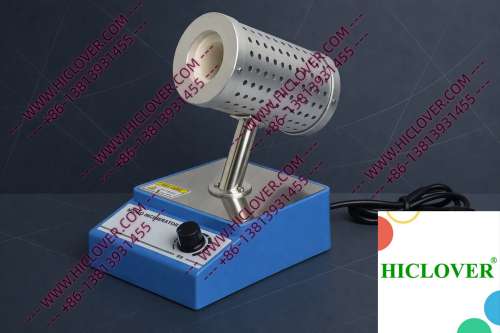
The Micro Incinerator utilizes infrared heat within an enclosed ceramic tube to rapidly achieve high temperatures necessary for effective sterilization. Unlike traditional flame sterilizers, which can produce unwanted aerosols and require ongoing maintenance, this innovative device offers a clean, safe, and efficient alternative.
At the heart of the Micro Incinerator’s design is its ability to deliver rapid thermal sterilization. The ceramic heating chamber ensures uniform heat distribution, allowing for complete disinfection of inoculating loops, needles, and other lab equipment without incinerating the samples. This makes it particularly suitable for environments such as BSL-2 and BSL-3 microbiology labs, where contamination control is critical.
Practical Applications in Laboratories
Micro Incinerators are versatile instruments that find diverse applications in various laboratory settings:
- Biosafety Cabinets: In a controlled biosafety cabinet environment, the Micro Incinerator can be employed for sterilizing tools involved in sample preparation. Its compact size fits seamlessly within the work area, ensuring that sterilization occurs without risking operator exposure.
- Field Testing Laboratories: In mobile or field testing labs, the portability of the Micro Incinerator makes it an excellent choice for sterilization on-site. This adaptability allows researchers to handle infectious materials safely, ensuring compliance with local health regulations.
Additionally, teaching labs in universities have begun to incorporate Micro Incinerators, as they present a safe and efficient way for students to learn about sterilization techniques without the hazards associated with open flames.
Compliance and Environmental Considerations
Strict compliance with the World Health Organization (WHO) biosafety standards is essential for laboratories handling infectious materials. The Micro Incinerator meets rigorous lab sterilization standards, ensuring it performs effectively in maintaining a clean environment. One of the significant advantages of using a Micro Incinerator over traditional flame sterilizers is the absence of open flames, which makes it suitable for use in cleanrooms and areas where combustion is prohibited.
Moreover, the aerosol-free handling offered by the Micro Incinerator contributes to lower contamination risks, aligning perfectly with biosafety measures. This is particularly important in Shanghai, where environmental concerns lead to regulations that promote cleaner waste management practices.
Comparative Analysis: Micro Incinerator vs. Traditional Flame Sterilizers
Here’s a quick comparison of the key aspects of Micro Incinerators and traditional flame sterilizers:
| Feature | Micro Incinerator | Flame Sterilizer |
|---|---|---|
| Safety | No open flame, reducing burn risk | Open flame, higher risk of accidents |
| Contamination Control | Aerosol-free | Can create aerosols |
| User Convenience | Requires ongoing fuel and maintenance | |
| Application Versatility | Multiple settings (field, teaching, clinical) | Primarily in laboratory settings |
Frequently Asked Questions
- What is a Micro Incinerator?
A Micro Incinerator is a sterilization tool that uses infrared heat within an enclosed ceramic tube to disinfect laboratory instruments rapidly and efficiently. - How does it compare to traditional flame sterilizers?
It offers greater safety, reduced risk of contamination, and user convenience while eliminating the hazards associated with open flames. - In what laboratory settings can the Micro Incinerator be used?
It is suitable for BSL-2 and BSL-3 microbiology labs, teaching facilities, and field testing applications. - Is there a specific cleaning protocol required for the Micro Incinerator?
Regular cleaning ideally involves wiping the ceramic tubes and chamber to prevent residue buildup but requires significantly less maintenance than traditional flame devices. - How does the Micro Incinerator align with environmental standards?
Its aerosol-free operation and reduced incendiary risk serve to comply with WHO biosafety standards and local environmental regulations.
Conclusion
As cities like Shanghai embrace cleaner waste management solutions and stricter biosafety standards, the significance of modern sterilization technologies such as the Micro Incinerator becomes increasingly clear. By integrating these devices into laboratory workflows, organizations can enhance safety, improve efficiency, and support compliance with international standards. If you’re ready to upgrade your laboratory sterilization process, contact us for high-quality Micro Incinerator solutions tailored to your needs.
Categories:
Tags: