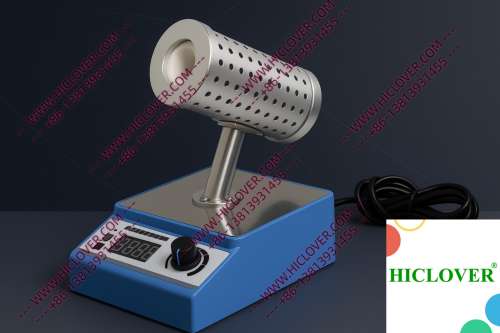
Laboratory biosafety presents a perennial challenge for researchers, especially when it comes to sterilization workflows. Ensuring contamination control while maintaining compliance with safety standards is critical in environments ranging from BSL-2 microbiology labs to university teaching labs. As researchers strive to optimize sterilization methods, the introduction of portable micro incinerators, specifically the Micro Incinerator / Infrared Inoculating Loop Sterilizer, has emerged as a potential game-changer, especially in regions like Argentina.
Understanding the Technical Principles of Micro Incinerators
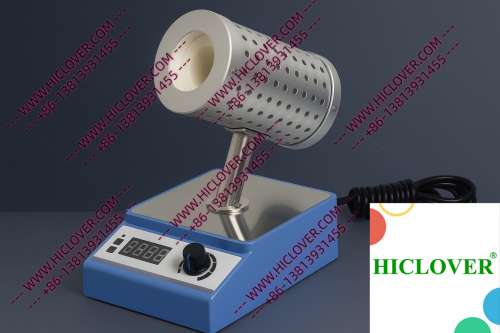
The Micro Incinerator operates on a simple yet effective principle: rapid thermal sterilization using infrared heat. Unlike traditional flame sterilizers such as alcohol lamps or Bunsen burners, this device features an enclosed ceramic heating chamber that provides a high-temperature, flameless environment for sterilization. The infrared heaters emit intense localized heat, allowing for quick disinfection of inoculating loops, needles, and other lab instruments without the risks associated with open flames, including hazards related to aerosols and flammable materials.
Advantages Over Traditional Flame Sterilizers
- Safety: No open flame reduces the risk of fire and accidental burns.
- Efficiency: Rapid heating leads to quicker turnaround times for sterilization.
- Contamination Control: Enclosed design helps minimize contamination risks in sterile environments.
- Portability: Lightweight and easy to operate, suitable for field settings and mobile labs.
Practical Applications in Laboratory Settings
The Micro Incinerator finds its niche across different laboratory environments, catering to varying sterilization needs. Here are two prominent application scenarios:
1. Biosafety Cabinet Use
In BSL-2 and BSL-3 microbiology labs, where biohazard materials are handled, the Micro Incinerator integrates seamlessly within biosafety cabinets. Researchers can efficiently sterilize inoculating loops and needles while maintaining a sterile field, critical for experiments involving pathogenic organisms. The design minimizes aerosol generation, satisfying stringent laboratory safety protocols.
2. Field Testing in Environmental Research
In remote locations of Argentina, such as regions undergoing environmental assessments, the portability of the Micro Incinerator enables field researchers to perform sterilization on-site without needing electricity. This flexibility is paramount in preserving sample integrity and reducing contamination risks, highlighting the tool’s utility in real-world applications.
Compliance and Environmental Standards
The adoption of the Micro Incinerator aligns with various compliance standards set forth by the World Health Organization (WHO) and other regulatory bodies concerning laboratory sterilization. The lack of a flame in clean rooms ensures adherence to sterility requirements, promoting a safer working environment while reducing the ecological footprint. By transitioning to such devices, laboratories contribute to cleaner earth initiatives, enhancing both safety and sustainability.
Laboratories are increasingly subject to regulations that mandate effective sterilization methods to prevent contamination. The Micro Incinerator not only meets these guidelines but also compensates for the limitations associated with traditional flame sterilizers, such as:
Flame Sterilizers: High contamination risk and combustion byproducts
Micro Incinerators: Aerosol-free handling and reduced environmental impact
Comparison of Sterilization Methods
| Feature | Micro Incinerator | Traditional Flame Sterilizer |
|---|---|---|
| Heating Mechanism | Infrared | Open Flame |
| Safety | High (no open flames) | Moderate (fire and burn hazards) |
| Contamination Control | Excellent (enclosed chamber) | Moderate (open environment) |
| Efficiency | High (rapid sterilization) | Variable (depending on flame conditions) |
Frequently Asked Questions
What materials can be sterilized using a micro incinerator?
The Micro Incinerator is designed to sterilize metal instruments such as inoculating loops, needles, and some glass components.
Is a micro incinerator safe for use in field testing environments?
Yes, its flameless design enhances safety, making it ideal for use in remote locations.
How does the micro incinerator comply with WHO biosafety guidelines?
It eliminates the risk of aerosol production while providing efficient sterilization, which complies with WHO standards for laboratory settings.
Can the micro incinerator operate without electricity?
Yes, many models are designed to function autonomously, making them suitable for mobile labs.
What is the average lifespan of the heating element in a micro incinerator?
The heating elements can last several years with proper use, depending on operational conditions and frequency of use.
Conclusion
The Micro Incinerator / Infrared Inoculating Loop Sterilizer represents a revolutionary step forward in laboratory sterilization practices. Its pivotal role in enhancing safety, efficiency, and compliance in labs—particularly in regions like Argentina—is unmistakable. If you’re interested in upgrading your laboratory’s sterilization capabilities, consider exploring our range of micro incinerators to meet your specific needs. Connect with us today for inquiries or to discuss purchasing options!
Categories:
Tags: