
In modern laboratories, the demand for effective sterilization solutions continually grows, driven by the need for biosafety and contamination control. Traditional sterilization methods such as alcohol lamps and Bunsen burners pose several challenges, including flame-related hazards, production of noxious fumes, and inefficiencies in rapid thermal sterilization. Here, we explore how the Micro Incinerator, particularly the Infrared Inoculating Loop Sterilizer, addresses these challenges, offering clean, consistent, and effective sterilization solutions.
Technical Principles Behind Infrared Inoculating Loop Sterilizers
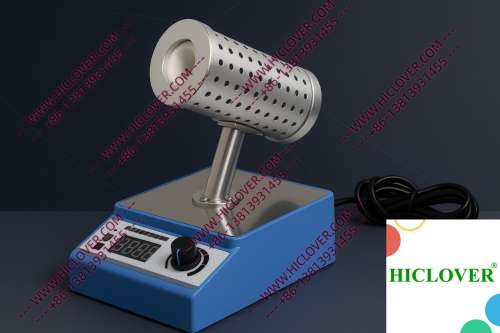
The Micro Incinerator operates on an innovative principle that harnesses the power of infrared heat within a closed ceramic tube. This configuration allows for rapid heating and high-temperature disinfection without the odor and dangers associated with open flames. The enclosed heating chamber ensures that the sterilization process is not only efficient but also safe for laboratory environments.
Infrared sterilization is particularly advantageous due to its ability to quickly reach temperatures necessary for effective microbial kill, typically exceeding 800°C. This high-temperature capability is ideal for sterilizing inoculating loops, needles, and other laboratory tools in a matter of seconds. The ceramic heating element absorbs the infrared radiation and efficiently transfers heat to sterilize surfaces while minimizing energy wastage.
Applications in Real Laboratories
1. Application in Biosafety Cabinets
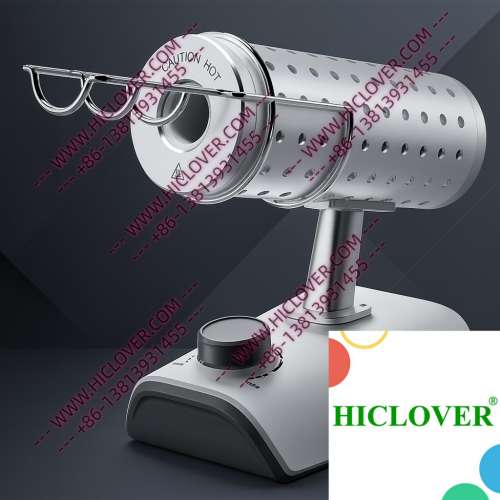
In BSL-2 and BSL-3 microbiology labs, the Micro Incinerator is often integrated into biosafety cabinets. These environments require stringent sterilization practices to prevent contamination and ensure user safety. The Micro Incinerator maintains a clean-bench-safe designation, allowing sterile manipulations of biological samples without the risk of flammable disturbances.
2. Mobile Field Testing Laboratories
Field testing labs, especially in remote areas or during outbreak investigations, benefit significantly from the portability and efficiency of infrared inoculating loop sterilizers. Proving essential in clinical diagnostics and public health initiatives, these sterilizers offer a reliable means of sterilizing equipment on-site, ensuring samples are collected and processed under maximally safe conditions.
Compliance and Environmental Standards
Adhering to laboratory sterilization standards set by global health organizations such as the WHO is non-negotiable in laboratory environments. Compliance with biosafety regulations outlines critical practices for microbial handling, ensuring that lab operations minimize exposure to biohazards. The absence of flame in clean rooms or other sensitive environments is crucial, as any open flame poses contamination risks and potential fire hazards.
The Micro Incinerator aligns with various environmental compliance standards, promoting a greener alternative to traditional flame sterilizers. Its efficient energy usage and lack of harmful smoke or fumes contribute to a cleaner laboratory setting, ultimately fostering a more sustainable approach to laboratory operations.
Advantages Over Traditional Flame Sterilizers
When comparing the Micro Incinerator to traditional sterilization methods, several key advantages emerge:
- Reduced Risk of Burns: The closed design minimizes exposure to open flames.
- No Toxic Fumes: Unlike alcohol lamps or Bunsen burners, the Micro Incinerator produces no harmful fumes, making it safer for users.
- Rapid Sterilization: Infrared technology ensures that sterilization is done in seconds, allowing for faster workflow.
- Environmentally Friendly: Energy-efficient operation reduces waste and environmental impact.
Comparison Table: Micro Incinerator vs. Flame Burners
| Feature | Micro Incinerator | Flame Burners |
|---|---|---|
| Heating Method | Infrared | Open Flame |
| Temperature Reach | Up to 800°C+ | Variable |
| Safety | High (Closed tube) | Moderate (Fire hazard) |
| Fume Production | No | Yes |
| Speed of Sterilization | Seconds | Variable |
FAQs
1. How does a Micro Incinerator work?
The Micro Incinerator uses infrared technology to generate high temperatures efficiently within an enclosed ceramic tube, allowing for rapid sterilization of instruments without the need for open flames or noxious fumes.
2. What are the benefits of using Micro Incinerators in teaching labs?
In teaching laboratories, Micro Incinerators enhance safety, offering students a flame-free environment to practice sterilization techniques, minimizing the risk of burns and fire hazards while ensuring effective microbial elimination.
3. Can a Micro Incinerator be used in mobile labs?
Yes, Micro Incinerators are portable and designed to be used in various settings, including mobile field testing laboratories, providing rapid sterilization capabilities on-site.
4. Are Micro Incinerators compliant with laboratory standards?
Micro Incinerators are compliant with WHO biosafety regulations and other international lab sterilization standards, ensuring safe use in various laboratory environments.
5. How do Micro Incinerators contribute to environmental sustainability?
By reducing energy consumption and eliminating harmful fumes, Micro Incinerators promote environmentally friendly practices in laboratory operations, supporting a cleaner, greener future.
Conclusion
The Micro Incinerator serves as a transformational solution in the realm of laboratory sterilization equipment. With its rapid thermal sterilization capabilities, enhanced safety, and environmental compliance, this revolutionary tool meets the rigorous demands of contemporary labs across various sectors. Whether in a clinical diagnostic setting, BSL-2 or BSL-3 labs, or even in mobile field operations, the Micro Incinerator is poised to redefine sterilization standards. For more information or to inquire about purchasing, please reach out to us today!
Categories:
Tags: