
In the realm of laboratory biosafety, professionals constantly face challenges that demand reliable, efficient, and effective sterilization methods. With a growing emphasis on sustainable urban living, the shift from traditional sterilization techniques to advanced technologies—such as the Micro Incinerator—signals a critical evolution in laboratory sterilization workflows.
Biosafety Challenges and the Need for Advanced Sterilization
Imagine a bustling university teaching lab, where budding microbiologists are experimenting with bacterial cultures. The necessity for contamination control is paramount; a single misstep in the sterilization process could lead to hazardous repercussions. Traditional flame sterilizers, such as alcohol lamps and Bunsen burners, pose risks as they produce open flames that can compromise safety in sensitive environments like biosafety cabinets.
The application of infrared high-temperature disinfection through a Micro Incinerator not only addresses these concerns but also aligns with modern biosafety standards. These advanced sterilizers provide rapid thermal sterilization, ensuring that laboratory environments remain free from aerosol hazards and microbiological contaminants.
Technical Principles and Configuration
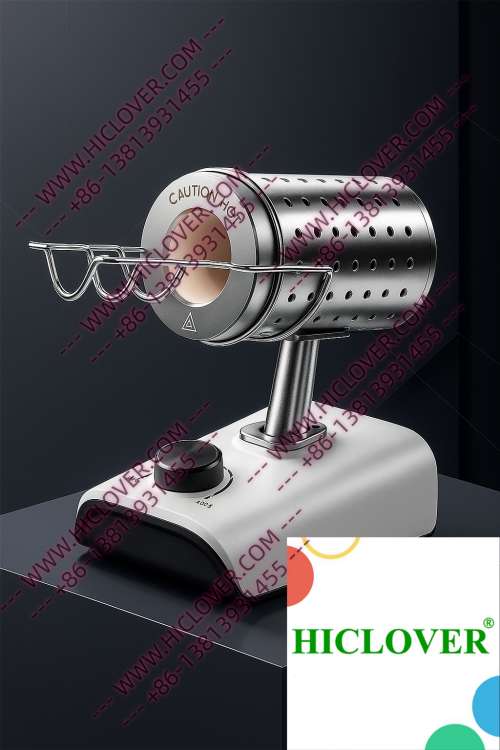
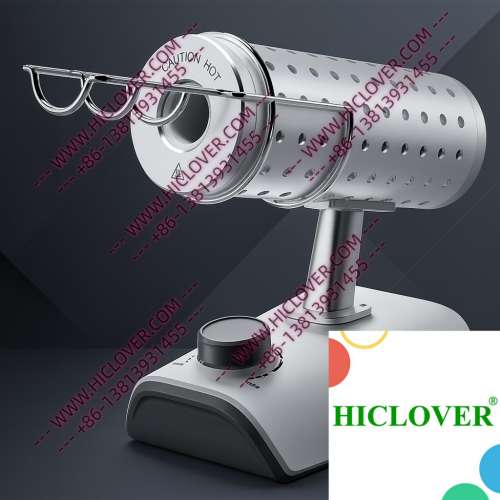
The core functionality of the Micro Incinerator revolves around its innovative design, featuring an enclosed ceramic heating chamber. The ceramic tube generates intense infrared heat, which rapidly sterilizes inoculating loops, needles, and other small instruments vital for laboratory work. This high-temperature disinfection is effective while remaining clean-bench-safe, minimizing risk within controlled airflow environments.
- Rapid thermal sterilization reduces waiting times between experiments.
- Enclosed design prevents exposure to flames, adhering to clean room protocols.
- Compact and portable — ideal for mobile or field testing labs.
Application Scenarios
1. University Teaching Labs
In academic settings, students must thoroughly understand sterilization techniques involving microbial cultures. The use of Micro Incinerators in university teaching labs not only trains students on effective sterilization methods but also instills a strong commitment to safety and compliance with best practices. The flame-free operation allows them to focus on learning without the distraction of harmful emissions or fire hazards.
2. BSL-2 and BSL-3 Microbiology Labs
In BSL-2 and BSL-3 labs, where researchers handle moderate to high-risk pathogens, the Micro Incinerator’s precision and reliability prove invaluable. When working within biosafety cabinets, lab personnel need tools that offer sterilization without compromising the sterile environment. The Micro Incinerator stands as the solution, efficiently disinfecting tools and materials while safeguarding both researcher safety and compliance with stringent regulations.
Compliance and Environmental Considerations
Complying with global biosafety standards such as WHO guidelines is essential for laboratories. The Micro Incinerator meets these standards by eliminating open flames and supporting aerosol-free handling. With no flame contaminating the working environment, labs can maintain the highest levels of cleanliness and compliance, paving the way for improved quality in clinical diagnostics and other sensitive operations.
This innovative sterilizer not only supports individual lab safety but also contributes to reducing carbon footprints associated with traditional flame sterilizers, which often require frequent fuel refills and generate excessive waste. The environmentally friendly design of the Micro Incinerator addresses the critical need for sustainable practices within urban living contexts.
Comparison of Micro Incinerators vs. Flame Sterilizers
| Feature | Micro Incinerator | Flame Sterilizer |
|---|---|---|
| Heat Source | Infrared | Open flame |
| Safety | Low risk of fire | High risk of fire |
| Contamination Control | Aerosol-free | Aerosol risk |
| Portability | Lightweight | Bulky |
| Compliance | Meets WHO standards | May not meet clean room standards |
FAQs
What is a Micro Incinerator?
A Micro Incinerator is a laboratory sterilization device that uses rapid infrared heat to disinfect inoculating loops and other small instruments while providing a safe, flame-free environment.
How does a Micro Incinerator improve laboratory safety?
By eliminating open flames, Micro Incinerators minimize the risk of fire and contaminate-based hazards, making them ideal for sensitive laboratory environments.
Can Micro Incinerators be used in mobile labs?
Yes, their compact design makes Micro Incinerators suitable for mobile or field testing laboratories where portability is paramount.
How often should I replace a Micro Incinerator?
The lifespan of a Micro Incinerator significantly depends on usage, but regular maintenance can extend its operational life. It’s advisable to consult the manufacturer’s guidelines for specifics.
Are Micro Incinerators compliant with WHO biosafety standards?
Yes, Micro Incinerators comply with WHO biosafety guidelines, making them an excellent choice for laboratories looking to maintain high safety and sterilization standards.
Conclusion
In summary, the Micro Incinerator serves as an indispensable tool in modern laboratory settings, especially as we move toward cleaner streets through sustainable urban living practices. With its advantages in safety, efficiency, and adherence to biosafety standards, it is time for laboratories to transition from traditional flame sterilizers to this innovative technology. For procurement or to learn more about how Micro Incinerators can benefit your laboratory operations, please do not hesitate to reach out for further information or to explore purchasing options.
Categories:
Tags: