
Laboratory environments are often fraught with biosafety challenges, particularly in the realm of sterilization. Ensuring that laboratory equipment is free from contamination is crucial, especially in BSL-2 and BSL-3 microbiology labs where pathogens may be present. The traditional methods of sterilization, such as alcohol lamps or Bunsen burners, have significant drawbacks including the release of harmful aerosols and the potential for open flames, which pose fire hazards and create a less controlled environment for technicians. This is where the Micro Incinerator, also known as the Infrared Inoculating Loop Sterilizer, steps in as a game-changer.
Unpacking the Technology Behind Micro Incinerators
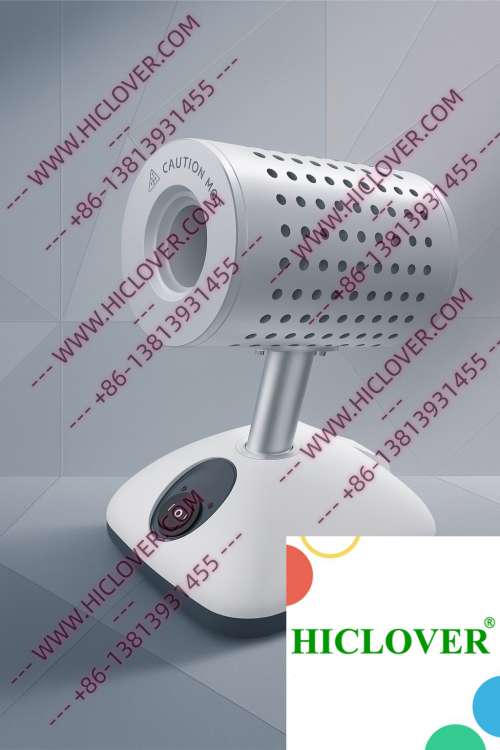
The Micro Incinerator operates on the principle of infrared heat. Unlike traditional flame-based sterilizers, which rely on combustion, this device utilizes an enclosed ceramic tube to achieve rapid thermal sterilization. The ceramic heating chamber heats up almost instantaneously, reaching temperatures high enough to ensure complete disinfection, effectively killing all bacterial spores and pathogens without the risks associated with flame.
One of the significant advantages of using an infrared inoculating loop sterilizer is its clean-bench-safe design. This means that it can be operated within a biosafety cabinet without compromising the sterile environment, preventing the risk of aerosol contamination that can occur with traditional heating methods. Additionally, its simple plug-and-play use makes it highly accessible for both seasoned professionals and new laboratory personnel.
Real-world Applications of the Micro Incinerator
1. Biosafety Cabinets in Research Labs
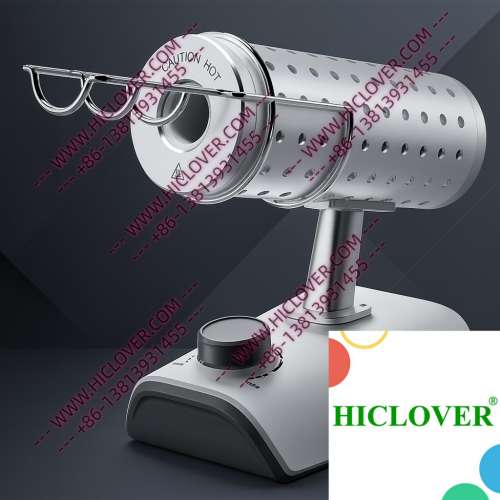
In research laboratories, especially those dealing with sensitive microbial cultures, a strict sterilization workflow is paramount. Using the Micro Incinerator within a biosafety cabinet allows microbiologists to efficiently sterilize inoculating loops before subculturing without introducing external variables or contaminants. The rapid heating and cooling properties of the device mean less downtime and more effective workflow management.
2. Mobile Field Testing Laboratories
Field testing environments, such as those monitoring environmental microbiology or clinical diagnostics in remote areas, require portable and effective sterilization solutions. The lightweight and energy-efficient Micro Incinerator is ideal for such scenarios. Researchers can rely on it for immediate sterilization of tools, ensuring their findings are accurate and free from external microbial interference.
Compliance with National and International Standards
Adhering to biosafety standards is critical in laboratory settings. The World Health Organization (WHO) and other regulatory bodies have laid down stringent sterilization guidelines that laboratories must meet. For instance, open flames must be avoided in clean rooms, as they can produce aerosols and lead to contamination. The Micro Incinerator addresses these compliance issues head-on, being a stringent sterilization instrument that meets or even exceeds many sterilization standards.
Traditional flame sterilizers often fall short due to safety concerns associated with combustion-related accidents and the generation of unwanted particles. Safe and clean handling protocols are thus met by using smokeless sterilization methods, reducing risks associated with lab operations significantly.
Comparative Overview: Micro Incinerator vs. Traditional Flame Burners
| Feature | Micro Incinerator | Flame Sterilizer (Alcohol Lamp/Bunsen Burner) |
|---|---|---|
| Heat Source | Infrared | Combustion (Open Flame) |
| Contamination Risk | Aerosol-free handling | Potential for aerosol generation |
| Safety | No open flame | Fire hazard |
| Usability | Quick, plug-and-play | Requires ignition and monitoring |
| Applications | Wide range (lab and field) | Limited (mostly lab) |
Frequently Asked Questions
- What is the main advantage of using a Micro Incinerator over traditional flamers?
The primary advantage lies in its aerosol-free handling and safety features, allowing for effective sterilization without the risks associated with open flames.
- Can the Micro Incinerator be used in a biosafety cabinet?
Yes, the design is specifically aimed at maintaining clean environments, making it suitable for use in biosafety cabinets.
- How quickly does the Micro Incinerator reach operational temperatures?
It heats up rapidly, allowing for efficient workflow without delays in sterilization processes.
- Is the Micro Incinerator energy efficient?
Absolutely! Its effective design allows for significant energy savings compared to traditional methods.
- What types of laboratories can benefit from using a Micro Incinerator?
Micro Incinerators are ideal for various settings, including university teaching labs, clinical diagnostics, and BSL-2/BSL-3 microbiology labs.
Conclusion: Embrace the Future of Laboratory Sterilization
In summary, the Micro Incinerator serves as a breakthrough in laboratory sterilization, addressing the many downsides of traditional flame sterilizers. With its advanced technology and safety features, it ensures not just compliance with biosafety standards but elevates the overall efficiency of laboratory workflows. As laboratories continue to evolve in their operations, consider investing in the smokeless Micro Incinerator to enhance your sterilization processes. For further information or to make a purchase, don’t hesitate to reach out to us today!
Categories:
Tags: