
In today’s fast-evolving laboratory environment, biosafety challenges require innovative and effective sterilization solutions. The rapid rise in biological research and diagnostics necessitates stringent sterilization workflows, particularly in laboratories dealing with pathogens and live cultures. Traditional sterilization methods, such as alcohol lamps and Bunsen burners, risk aerosol contamination and pose fire hazards, making it imperative to explore safer alternatives. This article delves into the world of closed-chamber sterilizers, specifically focusing on the Micro Incinerator or Infrared Inoculating Loop Sterilizer, to enhance laboratory safety and efficiency.
Technical Principles of Infrared Inoculating Loop Sterilizers
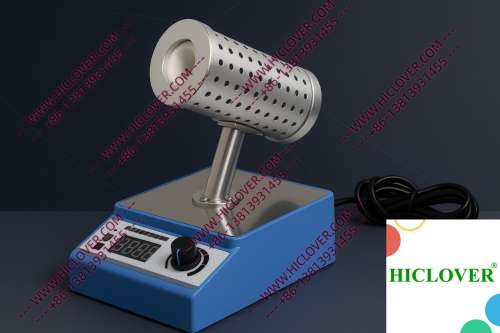
The Micro Incinerator operates on the principle of rapid thermal sterilization using infrared heat. At its core, it consists of an enclosed ceramic heating chamber that generates high temperatures to effectively sterilize inoculating loops, needles, and other small laboratory instruments. The design allows for direct infrared high-temperature disinfection, which reaches temperatures of up to 800°C within seconds, ensuring prompt sterilization and immediate usability.
The closed-chamber design eliminates open flames, significantly reducing the risk of aerosol contamination—a significant concern in laboratory settings. The compact and portable nature of the Micro Incinerator provides versatility, making it suitable for various applications, from BSL-2 microbiology labs to education spaces.
Laboratory Applications
1. Providing a Safer Teaching Environment
In university teaching labs, demonstrating aseptic techniques is crucial. Students must learn to manage hazards without introducing contaminants into their experiments. Utilizing a Micro Incinerator allows instructors to safely teach sterilization processes without the combustion risks associated with traditional flame sterilizers. Students can observe the rapid heating and disinfection process, enhancing their understanding of contamination control.
2. Field Testing in Clinical Diagnostics
Field testing often poses unique sterilization challenges due to variable environments. The portability and efficiency of the Micro Incinerator make it an ideal choice for mobile or field testing labs. In situations where traditional methods may not be feasible, such as remote locations lacking consistent power, the Micro Incinerator ensures that researchers can perform necessary manipulations without compromising safety or results.
Compliance and Environmental Considerations
Adhering to biosafety regulations is paramount for any laboratory. Compliance with guidelines established by the World Health Organization (WHO) and local regulatory bodies ensures that labs maintain standards that safeguard both worker health and experimental integrity. The Micro Incinerator’s closed-chamber design is compliant with lab sterilization standards, which also include requirements against open flame usage in clean rooms.
Using a flame-free approach also minimizes particulate contamination, which is particularly beneficial in sensitive environments like clean benches, CO₂ incubators, and anaerobic chambers. Implementing sterilizers that emphasize biosafety not only aligns with regulatory mandates but also enhances the lab’s operational efficiency and safety culture.
Comparative Analysis: Micro Incinerator vs. Flame Sterilizers
| Feature | Micro Incinerator | Flame Sterilizers |
|---|---|---|
| Safety | Closed design with no open flames | Open flames pose fire hazards |
| Efficiency | Rapid thermal sterilization | Slower heating, longer wait times |
| Contamination Control | No aerosol generation | Potential for aerosol contamination |
| Mobility | Portable for fieldwork | Requires stable placements |
Frequently Asked Questions (FAQs)
- What is the maximum temperature that the Micro Incinerator can achieve? The Micro Incinerator reaches temperatures of up to 800°C in seconds.
- How does the Micro Incinerator compare in terms of sterilization speed with traditional flame sterilizers? The Micro Incinerator provides rapid thermal sterilization, significantly reducing the waiting time associated with flaming.
- Is the Micro Incinerator suitable for use in BSL-3 laboratories? Yes, its flame-free design makes it an excellent choice for high-containment labs that require strict safety protocols.
- Can the Micro Incinerator be used for sterilizing larger instruments? It is primarily designed for small instruments but can efficiently sterilize inoculating loops and needles.
- Are there any specific maintenance requirements for the Micro Incinerator? Regular cleaning of the ceramic chamber is recommended to ensure optimal performance and lifespan.
Conclusion
In the realm of laboratory sterilization, the Micro Incinerator stands out as a reliable, safe, and efficient alternative to traditional flame sterilizers. Its high-performance capabilities paired with compliance to biosafety standards make it the preferred option for diverse laboratory settings, from microbial research to educational applications.
If you’re looking to enhance your laboratory’s sterilization efficiency and safety, consider investing in the Micro Incinerator. Contact us today to learn more about how this incredible tool can revolutionize your sterilization processes!
Categories:
Tags: