
Laboratories, particularly those engaged in microbiological research, face a multitude of biosafety challenges. From handling hazardous biological materials to ensuring proper sterilization of equipment, the need for effective waste management is paramount. Traditional flame sterilizers, such as alcohol lamps and Bunsen burners, have long been the standard. However, as environmental concerns and laboratory safety regulations evolve, the demand for innovative sterilization solutions has risen dramatically. Enter the Micro Incinerator, an advanced tool specifically designed for the rapid thermal sterilization of inoculating loops and other laboratory tools, especially in Mexico’s burgeoning research landscape.
Technical Principles and Configuration of Micro Incinerators
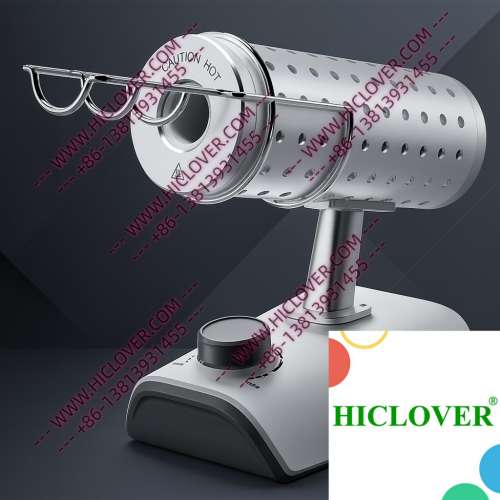
The Micro Incinerator operates on the principle of infrared heat, providing an efficient method for sterilization without the associated risks of open flames. Key features include an enclosed ceramic heating chamber that achieves high temperatures quickly and uniformly. This design ensures effective disinfection while minimizing contamination risks, making it ideal for use in sensitive environments like BSL-2 and BSL-3 laboratories.
Equipped with a safe and ergonomic configuration, the Micro Incinerator allows for flames and aerosols to be eliminated from the sterilization process. The device typically includes various temperature settings, allowing users to customize the heat application according to specific sterilization needs. This not only enhances the efficiency of the sterilization process but also contributes to better compliance with modern biosafety standards.
Application Scenarios in Real Labs
- Biosafety Cabinets: When working in a biosafety cabinet, sterile techniques are critical. The Micro Incinerator allows researchers to sterilize inoculating loops quickly without the risk of combustion or harmful emissions, creating a clean working environment.
- Field Testing: In mobile labs or field settings, the portability and efficiency of the Micro Incinerator make it an invaluable tool. Researchers conducting field testing in biologically sensitive areas can rely on its rapid thermal sterilization capabilities to maintain sample integrity and minimize contamination risks.
- University Teaching Labs: Educational institutions in Mexico can benefit from implementing Micro Incinerators in their microbiology teaching labs. Not only do they provide a safer alternative for students, but they also adhere to modern laboratory standards for waste management.
- What are the main advantages of using a Micro Incinerator over a traditional flame sterilizer?
The primary advantages include enhanced safety, compliance with biosafety standards, and the ability to perform sterilization in clean environments without the risks associated with open flames.
- How long does it take to sterilize an inoculating loop using a Micro Incinerator?
Typically, sterilization of an inoculating loop can be achieved in just a few seconds (usually under 10 seconds), depending on the specific model and temperature settings.
- Can the Micro Incinerator be used in field testing environments?
Yes, its portable design and efficient sterilization capabilities make it ideal for field testing in various microbiological research activities.
- Does the Micro Incinerator require special maintenance?
Regular maintenance is minimal, but it’s advisable to regularly check the heating element and clean the ceramic chamber to ensure optimal performance.
- Are there any size variations available for Micro Incinerators?
Yes, various models are available that cater to different laboratory sizes and specific applications, from educational settings to advanced research laboratories.
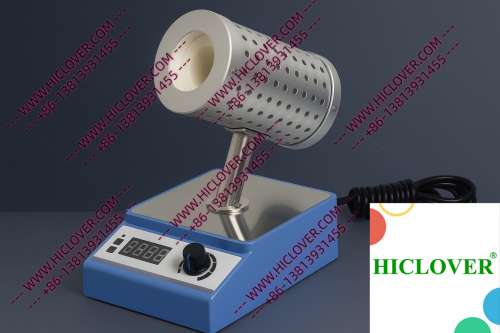
Compliance with Biosafety and Environmental Standards
As laboratories strive to meet the stringent standards set by the World Health Organization (WHO) and other regulatory bodies, the transition from traditional flame sterilizers to technology like the Micro Incinerator becomes increasingly important. Guidelines emphasize the need for effective sterilization methods that do not add to pollution or risk dehydration of samples, making this advanced solution a front-runner in laboratory settings.
Micro Incinerators also cater to the needs of clean rooms, where the presence of an open flame is not feasible due to the risk of contamination. More importantly, their efficient design and lower emission of harmful particles support laboratories in achieving sustainability goals while adhering to national and international sterilization standards.
Micro Incinerator vs. Traditional Flame Sterilizers
| Feature | Micro Incinerator | Traditional Flame Sterilizers |
|---|---|---|
| Working Environment | Clean room safe, aerosol-free | Potential for contamination and aerosols |
| Efficiency | Rapid thermal sterilization | Slower heating times |
| Safety | No open flame | Fire hazard risk |
| Compliance | Meets WHO biosafety standards | May not meet modern lab requirements |
FAQs Regarding Micro Incinerators
Conclusion
In conclusion, the emergence of Micro Incinerators represents a significant advancement in laboratory sterilization technology, particularly for microbiological research in Mexico. By providing a safe, efficient, and compliant method of sterilization, these devices not only enhance laboratory workflows but also align with global biosafety standards. Laboratories looking to improve their waste management and sterilization processes should consider the immediate benefits of Micro Incinerators. For further information or to explore purchasing options, feel free to contact us today and elevate your laboratory’s sterilization practices for a cleaner, safer environment.
Categories:
Tags: