
In today’s urban environments, the challenge of managing waste is becoming increasingly pressing. Landfills are overflowing, leading to extensive environmental concerns. While traditional waste disposal methods can contribute to landfill overload, innovative solutions like micro incinerators are emerging as potential alternatives. One promising piece of technology in this domain is the Micro Incinerator or Infrared Inoculating Loop Sterilizer—especially relevant in laboratory settings for its sterilization capabilities and its environmental benefits.
Biosafety Challenges in Laboratories
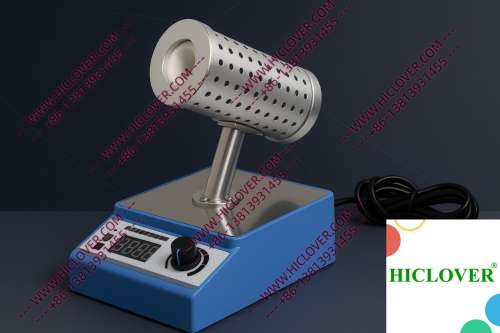
Laboratories, particularly those operating in BSL-2 and BSL-3 environments, face significant biosafety challenges. The requirement for sterilization of inoculating loops, tools, and equipment to prevent cross-contamination and ensure safety is a critical aspect of lab operations. Traditional methods such as alcohol lamps and Bunsen burners, while effective, come with their own set of safety concerns. Open flames create hazards including uncontrollable fires and potential exposure to aerosols that can compromise cleanroom environments.
The Technical Principle Behind Micro Incinerators
The Micro Incinerator utilizes advanced infrared technology to provide rapid thermal sterilization. At its core, the unit is equipped with an enclosed ceramic heating chamber that generates high temperatures without the open flames associated with traditional burners. This technology allows for the destruction of potential pathogens swiftly, effective for inoculating loops, metal instruments, and other equipment used in sensitive research. The infrared radiation efficiently heats tools in just seconds, reducing the risk of burns and enhancing safety in the lab setting.
Key Features of Micro Incinerators
- Rapid Thermal Sterilization: Achieves high temperatures quickly, facilitating efficient workflow.
- Enclosed Design: Provides a clean-bench-safe operation devoid of flames and aerosols.
- Low Maintenance: The durable ceramic components promise longevity with minimal upkeep.
- Portability: Ideal for both stationary labs and field testing scenarios.
Application Scenarios in Real Labs
1. Teaching Labs
In university settings, the importance of imparting rigorous biosafety standards to students cannot be overstated. Utilizing micro incinerators in teaching laboratories allows educators to demonstrate safe sterilization practices without the risks associated with open flames. The ability to integrate this technology into university curriculums helps future scientists to appreciate modern sterilization techniques while fostering a culture of safety.
2. Field Testing Labs
For mobile or field-testing labs, micro incinerators are pivotal in achieving effective sterilization on the go. Researchers who need to conduct environmental sampling in remote locations rely on this technology to ensure their tools remain uncontaminated, thus preserving the integrity of their samples. The implication for public health is significant, especially in regions where access to sterile materials is limited.
Compliance with Biosafety Standards
In laboratories, adhering to biosafety standards—such as those outlined by the World Health Organization (WHO) and local health departments—is non-negotiable. Micro incinerators align with stringent lab sterilization standards by providing a flame-free solution that complies with the no-flame requirement often emphasized in clean rooms and BSL labs. This adherence not only minimizes risk but also simplifies compliance management for laboratory operators.
Comparison of Micro Incinerators and Traditional Flame Burners
| Feature | Micro Incinerator | Flame Burners (e.g., Bunsen Burner) |
|---|---|---|
| Safety | Flame-free operation minimizes fire risk | Open flame poses fire hazard |
| Contamination Control | Aerosol-free handling promotes clean environments | Aerosols may escape leading to contamination |
| Efficiency | Rapid heat-up, quick sterilization | Longer heating times, less efficient |
| Versatility | Designed for various lab and field applications | Limited use in sensitive environments |
Environmental Impact and Future Prospects
One of the most significant advantages of micro incinerators over traditional waste disposal methods is their potential to reduce the volume of waste entering landfills. By incinerating waste in a controlled environment, micro incinerators contribute to waste-to-energy initiatives, promoting sustainability in urban settings. The implications are profound in regions grappling with waste management issues, such as parts of South America and Asia, where the prevalence of informal waste dumping exacerbates environmental degradation.
Frequently Asked Questions
- What is the difference between a micro incinerator and a traditional sterilizer?
- How does infrared heating work in sterilization?
- Can micro incinerators be used in field testing environments?
- What are the safety benefits of using a micro incinerator?
- Are micro incinerators compliant with WHO biosafety standards?
Conclusion: Embracing the Future of Laboratory Sterilization
As urban areas strive to combat landfill issues, the adoption of micro incinerators offers an innovative solution with numerous advantages in laboratory sterilization. Their ability to maintain compliance with safety standards while providing efficient and rapid sterilization makes them a worthwhile investment for hospitals, universities, and research centers. By integrating cutting-edge technologies like the Infrared Inoculating Loop Sterilizer into laboratory practices, it’s possible to vastly improve biosafety and efficiency. For further inquiries or to explore purchasing options, don’t hesitate to contact us today!
Categories:
Tags: