
In the ever-evolving landscape of laboratory biosafety, combating medical waste has emerged as a critical challenge, particularly in rural Tanzania. Laboratories often operate under demanding sterilization workflows where effective sterilization equipment is essential to ensure safety and compliance. Traditional methods like alcohol lamps and Bunsen burners present multiple risks including contamination, open flames, and inefficient waste management. As a result, newer technologies, like Micro Incinerators, are gaining traction in these settings, especially for laboratory sterilization equipment catering to various applications.
Innovation in Laboratory Sterilization: Micro Incinerators
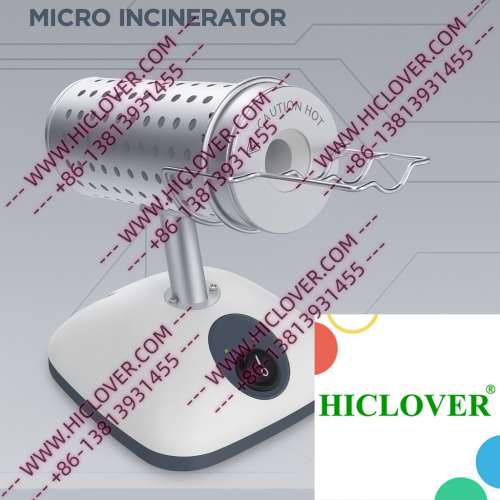
The Micro Incinerator, also known as the Infrared Inoculating Loop Sterilizer, provides an innovative solution to the sterilization and waste disposal challenges faced in medical laboratories. This advanced device utilizes infrared high-temperature disinfection, allowing rapid thermal sterilization of inoculating loops and other laboratory tools without the hazards associated with flame-based methods.
Technical Principles: How the Micro Incinerator Works
At its core, the Micro Incinerator operates on the principle of infrared heat generated within a ceramic heating chamber. The enclosed ceramic tube reaches high temperatures within seconds, effectively sterilizing the instruments inserted into it. This form of sterilization is not only efficient but also minimizes aerosol generation—making it safer for both laboratory workers and the surrounding environment.
Applications in Diverse Laboratory Settings
1. Teaching Labs in Universities
In university environments, particularly within departments focused on microbiology and life sciences, a Micro Incinerator provides an educational tool that teaches students safe practices of sterilization. Students can observe and engage with the process without the dangers posed by open flames. Its small size and portability make it ideal for varied laboratory configurations, including use within biosafety cabinets.
2. Mobile and Field Testing Labs
In rural settings where traditional waste disposal methods might be scarce, Mobile or Field Testing Labs are critical for scientific research and public health initiatives. The Micro Incinerator’s compact size and efficacy in sterilizing instruments on-site ensure minimal contamination and effective waste management. Given that these labs often encounter biohazardous materials, the advantages of using a Micro Incinerator ensures ongoing compliance with WHO biosafety standards.
Compliance and Environmental Impact
Adhering to biosafety regulations is paramount in laboratory operations, particularly when dealing with potentially infectious materials. The World Health Organization (WHO) outlines strict guidelines for laboratory practices, and using a Micro Incinerator helps maintain compliance with these standards. Unlike traditional flame sterilizers, Micro Incinerators eliminate the risk of open flames in clean room environments, ensuring a higher standard of safety and cleanliness.
In addition to biosafety, a significant environmental aspect is incorporated with the use of Micro Incinerators. These devices minimize the accumulation of medical waste, which in rural Tanzania is crucial where waste management infrastructures are often lacking.
Comparative Analysis: Micro Incinerators vs. Flame Sterilizers
| Feature | Micro Incinerator | Flame Sterilizer |
|---|---|---|
| Infection Control | 99.9% effective; controlled environment | Potential for aerosol generation |
| Compliance with WHO Standards | Yes | No, due to open flame risks |
| Ease of Use | Quick heating, minimal training required | Requires skill to maintain flame |
| Portability | Highly portable | Less portable and more cumbersome |
Frequently Asked Questions
- What are the advantages of using a Micro Incinerator?
Micro Incinerators offer rapid thermal sterilization, enhanced safety with no open flames, compliance with international standards, and minimal environmental impact. - How do I ensure my lab meets biosafety compliance?
Using certified sterilization equipment, following proper waste management protocols, and adhering to guidelines by WHO can ensure compliance. - Is the Micro Incinerator suitable for field testing?
Yes, its compact design and efficacy in sterilizing instruments make it an ideal choice for mobile laboratory settings. - Can Micro Incinerators be used in BSL-2 / BSL-3 labs?
Absolutely, they meet the requirements for high biosafety laboratory settings due to their efficient sterilization capabilities. - How does the Micro Incinerator improve training in laboratory settings?
It provides a safe and efficient method for demonstrating sterilization techniques without exposing students to the risks of flame sterilization.
Conclusion: Elevate Your Laboratory’s Biosafety Practices
As rural Tanzania continues to address the challenges associated with medical waste management, Micro Incinerators stand out as a superior solution for laboratory sterilization needs. Offering a combination of compliance, efficiency, and safety, these devices are a significant advancement over traditional flame sterilizers. For lab supply distributors, hospitals, universities, and NGOs looking to improve biosafety and streamline sterilization processes, investing in a Micro Incinerator or Infrared Inoculating Loop Sterilizer can lead to transformative impacts on laboratory workflows.
Contact us today to learn more about how you can integrate Micro Incinerators into your lab facilities, and enhance your laboratory workflows and safety standards!
Categories:
Tags: