
As laboratory practices evolve, the demands for effective biosafety and contamination control have never been more pressing. In an era where rapid thermal sterilization becomes essential, laboratories are keenly seeking out methods to enhance their sterilization workflows. Malaysia, in particular, has been proactive in addressing pollution by incorporating modern scientific equipment, such as Micro Incinerators, into their urban laboratories. The Micro Incinerator, also known as the Infrared Inoculating Loop Sterilizer, addresses the ongoing challenges of sterilization and safety in a dynamic research environment.
Understanding the Micro Incinerator
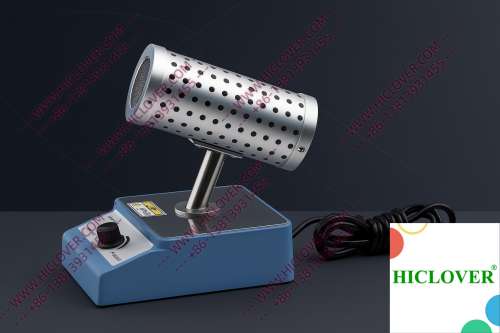
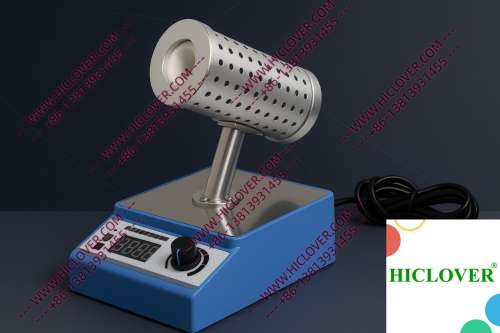
The Micro Incinerator operates on a principle of infrared heat, providing efficient and high-temperature sterilization. Its unique design features an enclosed ceramic tube that houses a heating element, which reaches temperatures capable of rapid sterilization without the need for an open flame. This configuration not only minimizes waste and pollution compared to traditional flame sterilizers like Bunsen burners and alcohol lamps but also ensures a clean workspace, free from the hazards typically associated with open flames.
Advantages Over Traditional Flame Sterilizers
- Safety: Unlike open flame methods, the Micro Incinerator eliminates risks of flame-related accidents, making it ideal for use in clean rooms and sensitive laboratory environments.
- Efficiency: Infrared technology provides quicker sterilization times, allowing for a faster workflow that is critical in efficient laboratory operations.
- Environmental Impact: The closed system reduces the production of hazardous aerosols and pollution, aligning with national and international environmental compliance standards.
- Versatile Applications: Its compact design allows for use in a variety of settings, from clinical diagnostics to academic teaching labs.
Application Scenarios in Laboratories
1. Teaching Laboratories
In university teaching labs, where students learn the fundamentals of microbiology, the Micro Incinerator serves as an essential tool. Students can practice inoculating and sterilizing loops safely and efficiently, reinforcing the proper sterilization protocols without the fear of managing open flames.
2. Field Testing Labs
Field laboratories, particularly in remote locations, greatly benefit from the portability and efficiency of the Micro Incinerator. For instance, when conducting environmental sampling for microbial testing, researchers can rely on the device for onsite sterilization, ensuring that contamination does not skew their results. This is particularly relevant within Malaysia’s diverse ecosystems, where rapid and accurate analysis is crucial.
Compliance and Environmental Considerations
Adhering to safety and sterilization standards is crucial for laboratories, especially in biosafety level (BSL) 2 and 3 laboratories where the risk of biohazards is higher. According to the World Health Organization (WHO) biosafety guidelines, proper sterilization protocols are mandatory to ensure the safety and efficacy of laboratory practices. The Micro Incinerator meets these standards, providing a clean, efficient alternative to traditional methods that are banned from cleanroom environments due to the risk of flame and aerosol contamination.
FAQs
1. What is the maximum temperature the Micro Incinerator can reach?
The Micro Incinerator can reach temperatures of up to 850°C, allowing for rapid sterilization that is effective against a broad spectrum of microorganisms.
2. Is the Micro Incinerator safe for use in BSL-2 labs?
Absolutely! The enclosed design and absence of open flames make it an ideal choice for BSL-2 laboratories where safety is a paramount concern.
3. Can the Micro Incinerator be used in field settings?
Yes, its compact and portable design makes it suitable for use in field testing labs, providing an efficient means of sterilization in diverse contexts.
4. How does the Micro Incinerator compare to Bunsen burners in terms of environmental safety?
The Micro Incinerator poses significantly less environmental risk than traditional Bunsen burners, as it produces no open flames and minimizes aerosol dispersion.
5. What types of sterilization applications most benefit from using Micro Incinerators?
Micro Incinerators are particularly beneficial in university teaching labs, clinical diagnostics, and mobile field testing labs where effective and rapid sterilization is critical.
Conclusion
As Malaysia takes significant strides in combating pollution and enhancing laboratory efficiency, the integration of Micro Incinerators as a pivotal laboratory sterilization tool becomes increasingly apparent. With their myriad advantages over traditional flame sterilizers, these innovative devices set a new standard for sterilization in academic, clinical, and field settings. For those involved in laboratory supply distribution or equipment procurement, investing in a Micro Incinerator could be the key to ensuring compliance, safety, and operational efficiency in any urban laboratory. Don’t hesitate to reach out for more information or to make a purchase.
Categories:
Tags: