
In the modern era of scientific research, laboratories face numerous biosafety challenges and sterilization workflow demands. As the frequency of microbial contamination in laboratories escalates, effective sterilization methods become paramount. A significant solution for this is the Micro Incinerator, specifically the Infrared Inoculating Loop Sterilizer, which addresses sterilization needs while minimizing the environmental impact associated with traditional methods.
The Technical Principle of the Micro Incinerator
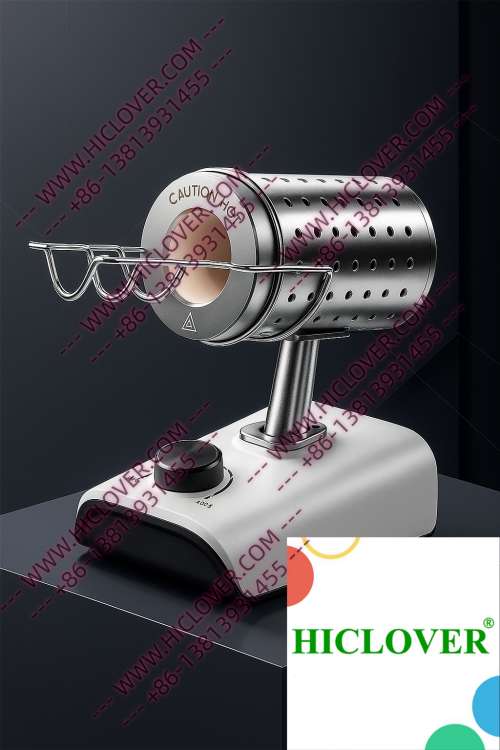
The Micro Incinerator operates using advanced infrared heat, which allows for rapid thermal sterilization. Its design includes an enclosed ceramic tube that concentrates heat efficiently, ensuring high-temperature disinfection without the risks associated with open flames. This innovative configuration not only provides a clean, pathogen-free environment but also reduces aerosol creation, creating a safer workspace.
Applications of Micro Incinerators in Laboratories
Micro Incinerators are versatile tools utilized in various laboratory settings, including:
- Biosafety Cabinets: In BSL-2 and BSL-3 microbiology labs, contamination control is crucial. The enclosed design of a Micro Incinerator allows for disinfection of inoculating loops and tools used in bio-hazardous environments, ensuring that any pathogens do not leave the workspace.
- Field Testing Labs: Mobile labs often encounter varying conditions that can complicate sterilization. The Micro Incinerator can easily be used in field testing scenarios where a stable power supply may be limited, providing rapid sterilization and reducing the risk of environmental pollution from used sterilization devices.
- University Teaching Labs: In educational settings, teaching students about safe sterilization techniques is essential. The Micro Incinerator allows for hands-on experience with effective and environmentally friendly sterilization methods, promoting safe lab practices while avoiding hazards associated with traditional flame-based systems.
- What is the main advantage of using a Micro Incinerator over traditional sterilization methods?
The Micro Incinerator offers safer operation with rapid thermal sterilization and minimal aerosol production, making it ideal for sensitive laboratory environments. - How does the infrared technology improve sterilization efficiency?
Infrared technology allows for quick heating and effective disinfection of laboratory tools, drastically reducing the time required for sterilization. - Can the Micro Incinerator be used in mobile or field settings?
Yes, the Micro Incinerator is portable and user-friendly, making it suitable for field testing labs where power supplies may not be stable. - Are Micro Incinerators compliant with WHO biosafety standards?
Absolutely. Micro Incinerators meet strict safety and cleanliness regulations supporting biosafety measures in laboratories. - What types of laboratories benefit the most from using Micro Incinerators?
Biosafety labs (BSL-2 and BSL-3), clinical diagnostic facilities, educational institutions, and mobile testing labs can all greatly benefit from this technology.
Regulatory Compliance and Environmental Considerations
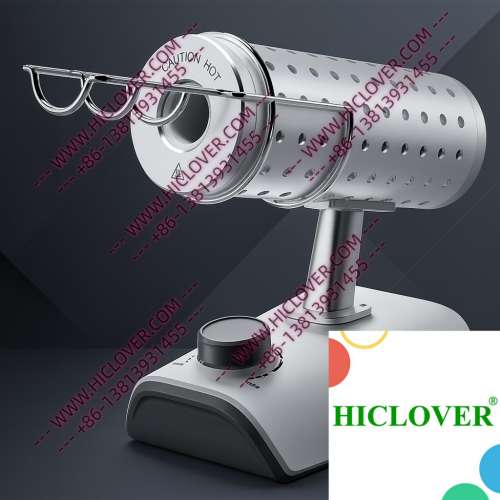
Adhering to biosafety regulations is key in laboratory work, especially in compliance with World Health Organization (WHO) standards. Traditional flame sterilizers, such as alcohol lamps and Bunsen burners, pose risks concerning flame hazards and aerosol generation. In contrast, Micro Incinerators are compliant with lab sterilization standards and are appropriate for use in clean rooms, where maintaining sterile conditions is vital.
The non-flammable nature of Micro Incinerators significantly enhances safety protocols in spaces where open flames could cause contamination or safety incidents. Furthermore, their efficiency reduces the overall carbon footprint associated with sterilization and aligns with the needs of sustainable practices in laboratory settings.
Comparison Table: Micro Incinerator vs. Traditional Flame Burners
| Feature | Micro Incinerator | Flame Burners |
|---|---|---|
| Heating Mechanism | Infrared Heat | Open Flame |
| Contamination Control | Minimal Aerosol Production | High Risk of Aerosol |
| Safety | No Flame Hazards | Potential Fire Hazards |
| Efficiency | Rapid Thermal Sterilization | Time-Consuming |
| Environmental Impact | Low Carbon Footprint | Higher Emissions |
FAQs
Conclusion
Micro Incinerators, with their advanced technology and affiliation with safety protocols, represent a pivotal shift in laboratory sterilization methods. For Mexican communities and laboratories, investing in Infrared Inoculating Loop Sterilizers is not merely about improving workflow efficiency but also about combating pollution associated with traditional flame sterilization practices. By choosing a safer, more efficient alternative, laboratory professionals can ensure safety, compliance, and an environmentally-friendly approach to sterilization.
For more information about our Micro Incinerators and how they can be integrated into your laboratory, contact us today!
Categories:
Tags: