
In the face of rising environmental concerns, Australian cities are seeking innovative solutions to tackle urban pollution. For laboratories engaged in biosafety practices, the paradigm shift towards sustainable sterilization methods is crucial. Micro incinerators, particularly the Infrared Inoculating Loop Sterilizer, offer a reliable and eco-friendly alternative to traditional flame sterilizers, aligning with the laboratory workflows while ensuring compliance with stringent biosafety guidelines.
Laboratory Biosafety Challenges
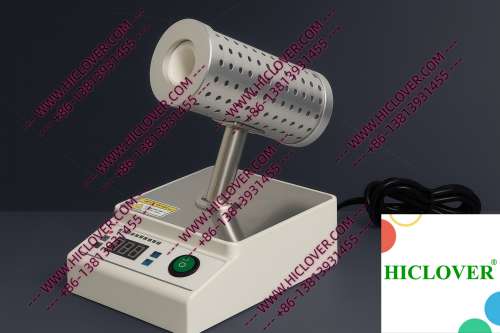
Laboratories, especially those operating under BSL-2 or BSL-3 conditions, are confronted with several biosafety challenges, particularly when it comes to contamination control and sterilization. Traditional methods, such as alcohol lamps and Bunsen burners, pose risks related to open flames and aerosol generation, leading to potential contamination in clean environments. The demand for efficient sterilization workflows mandates solutions that not only ensure safety but also enhance operational efficacy.
Technical Principles of Micro Incinerators
The Micro Incinerator utilizes an advanced infrared heating technology encapsulated within an enclosed ceramic tube. This design allows for rapid thermal sterilization without the hazards associated with flames. The infrared high-temperature disinfection provides concentrated heat that quickly eliminates contaminants on inoculating loops and other small instruments, ensuring cleanliness without the toxic effects of combustion by-products that traditional flame methods produce.
Applications in Real Labs
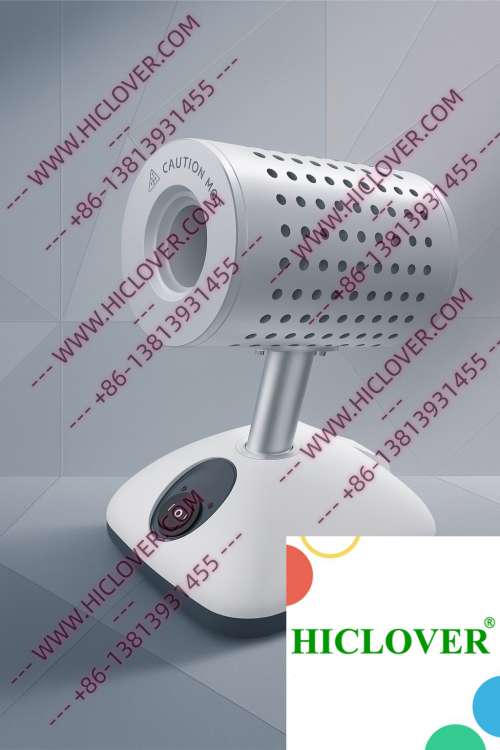
- Biosafety Cabinets: In BSL-2 microbiology labs, the Micro Incinerator is often integrated within biosafety cabinets for sterilizing tools used in handling biological specimens. Its ability to operate without flame ensures that the sterile environment is maintained, reducing the risk of aerosol contamination.
- Field Testing: Mobile laboratories for environmental monitoring and field testing benefit significantly from the portable Micro Incinerator. Its compact design allows for easy transportation and reliable performance in outdoor settings, assisting personnel in maintaining strict biosafety protocols even in remote locations.
Compliance with Biosafety Standards
Adhering to biosafety regulations is essential for laboratories. The World Health Organization (WHO) establishes guidelines that highlight the importance of safe sterilization practices in laboratory environments. Micro incinerators align with these standards by mitigating the risks associated with the use of flames in clean rooms, fulfilling requirements for no open flames in sensitive environments. Coupled with strict lab sterilization standards, these devices reinforce safety protocols and are suitable for various laboratory operations.
Advantages Over Traditional Sterilizers
The advantages of micro incinerators compared to traditional flame sterilizers are particularly noteworthy:
- No Open Flame Risks: Micro Incinerators eliminate the hazards associated with open flames, significantly enhancing workplace safety.
- Improved Contamination Control: The enclosed design prevents aerosols, making it ideal for sensitive applications.
- Energy Efficiency: Infrared technology heats up quickly and consumes less energy than traditional flame sources.
- Ease of Use: The device’s compact design allows for straightforward integration into various lab settings.
- Precision Sterilization: Provides targeted heat that ensures rapid and effective sanitation.
FAQs About Micro Incinerators
- What is a Micro Incinerator?
It’s a sterilization device that uses infrared heat to rapidly sterilize inoculating loops and other small lab tools, offering an eco-friendly alternative to traditional flame-based methods. - How does the Infrared Inoculating Loop Sterilizer work?
The device utilizes a ceramic tube to emit concentrated infrared heat, effectively killing contaminants without combustion by-products. - Where can Micro Incinerators be used?
They are ideal for BSL-2 and BSL-3 labs, field testing environments, and teaching laboratories, thanks to their versatility and safety features. - What are the compliance standards for sterilization equipment?
The Micro Incinerator complies with WHO biosafety standards, ensuring it meets rigorous laboratory sterilization protocols without the risks associated with flames. - Can Micro Incinerators replace Bunsen burners?
Yes, they can serve as a safer and more efficient alternative to traditional Bunsen burners or alcohol lamps in laboratories.
Conclusion
With the pressing demand for environmentally sustainable laboratory practices, adopting micro incinerators like the Infrared Inoculating Loop Sterilizer represents a pivotal advancement in biosafety. Their compact design and flame-free operation significantly improve sterilization workflows in diverse settings, from university teaching labs to mobile field testing units.
For laboratories in Australia looking to enhance safety and compliance while combating pollution, consider investing in a Micro Incinerator today. Contact us to learn more about this innovative technology and how it can transform your sterilization processes.
Categories:
Tags: