
The increasing prevalence of pollution, particularly through medical and laboratory waste, poses a significant challenge to laboratory biosafety in Zambia. As the nation’s healthcare systems improve, so arise the demands for effective sterilization workflow solutions to ensure public safety and environmental sustainability. Rising to this challenge are micro incinerators, specifically the Infrared Inoculating Loop Sterilizer, which provide an efficient and safe alternative to traditional sterilization methods.
Understanding the Technical Principles of Micro Incinerators
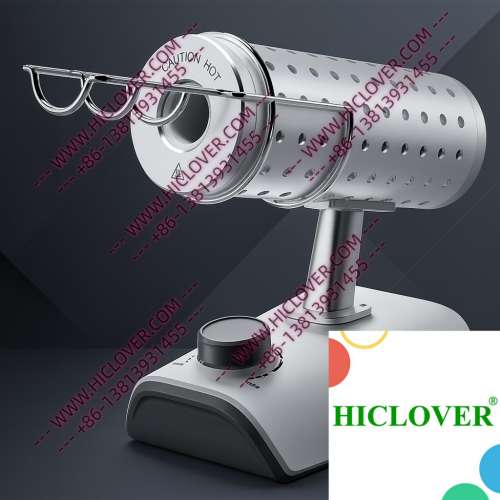
Micro incinerators operate on the principle of rapid thermal sterilization utilizing infrared technology. Unlike traditional flame sterilizers such as Bunsen burners or alcohol lamps, which create a flame that can produce aerosols or lead to contamination, micro incinerators utilize an enclosed ceramic heating chamber. This design not only promotes safety in clean environments but also minimizes the risk of aerosol generation, thereby enhancing contamination control.
The infrared heating mechanism allows for high-temperature disinfection, reaching up to 850°C in seconds. This unprecedented speed ensures that tools and materials are sterilized rapidly, allowing for more efficient lab operations. The ergonomic design caters to both field testing where mobility is essential and stationary environments like BSL-2 or BSL-3 microbiology labs.
Applications of Micro Incinerators in Zambian Labs
1. Biosafety Cabinets
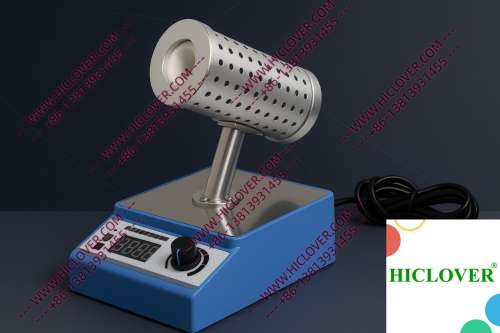
In advanced laboratories, micro incinerators can be incorporated within biosafety cabinets. This integration enhances the sterilization process while maintaining a sterile environment. For example, during the manipulation of potentially pathogenic microorganisms, scientists can rapidly sterilize inoculating loops or other instruments, ensuring that cross-contamination is kept at a minimum.
2. Field Testing in Remote Areas
In regions like Zambia where access to sterilization facilities is limited, mobile micro incinerators provide a practical solution. These portable units allow health workers to perform field tests and sterilize equipment efficiently, which is crucial for maintaining biosafety protocols while managing infectious diseases. The lightweight and easy-to-use design promotes accessibility, especially in rural healthcare settings.
Compliance and Environmental Considerations
The World Health Organization (WHO) advocates for stringent biosafety measures in laboratory settings, which include proper sterilization practices. Micro incinerators comply with such standards by eliminating open flames in cleanrooms, thereby reducing the risk of contamination and increasing the safety of personnel. The absence of flames addresses not only the biosafety requirements but also environmental concerns associated with smoke and fumes released from traditional sterilizers.
Advantages of Micro Incinerators Over Traditional Flame Sterilizers
Below is a comparative summary highlighting various advantages of micro incinerators against conventional methods:
| Feature | Micro Incinerators | Traditional Flame Sterilizers (e.g., Bunsen Burners) |
|---|---|---|
| Speed of Sterilization | Seconds | Variable |
| Risk of Contamination | Minimal | High (aerosols) |
| Environmental Safety | Closed system | Open flame |
| Ease of Use | Portable, user-friendly | Requires constant monitoring |
| Biosafety Compliance | High | Variable |
Frequently Asked Questions (FAQs)
- What is a micro incinerator? A micro incinerator is a sterilization device that uses infrared heat to sterilize laboratory tools and materials in a rapid and efficient manner.
- How do micro incinerators comply with biosafety standards? They utilize high-temperature processes that eliminate aerosols and reduce contamination risks, aligning with WHO and laboratory sterilization standards.
- What are the benefits of using micro incinerators in field testing? They provide mobile sterilization solutions, ensuring that health workers can maintain high biosafety levels even in remote areas.
- Can micro incinerators be used in teaching labs? Yes, they are ideal for university labs as they offer a safe and effective way to teach sterilization techniques without the risks associated with open flames.
- Are micro incinerators eco-friendly? Yes, their enclosed design minimizes environmental impact by preventing the release of smoke and harmful emissions.
Conclusion
As Zambia faces the dual challenge of rising pollution and increasing laboratory demands, the adoption of micro incinerators presents a viable solution. By prioritizing safety, efficiency, and compliance, these innovative sterilization tools are paving the way for a more sustainable future in laboratory operations. If you are looking to enhance your sterilization processes or invest in cutting-edge laboratory equipment, consider the advantages of micro incinerators. Contact us today for more information on our range of sterilization products tailored for your needs.
Categories:
Tags: