
Mumbai, a bustling metropolis, faces significant challenges related to pollution control and biosafety in laboratory environments. The increasing demand for effective sterilization methods has highlighted a crucial aspect of laboratory workflow—efficient and compliant sterilization equipment. Traditional flame sterilizers, such as alcohol lamps and Bunsen burners, are less suited for today’s laboratory demands due to safety concerns, potential contamination, and inefficiency. Enter the Micro Incinerator, a revolutionary tool that transforms how sterilization can be approached, ensuring a sustainable future in research and diagnostic laboratories.
The Technical Principles of Micro Incinerators
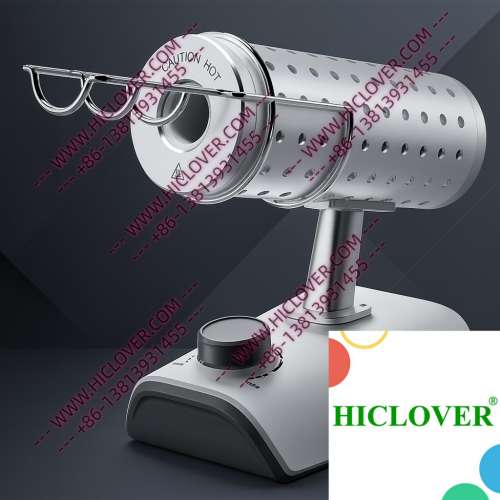
The Micro Incinerator utilizes advanced infrared technology to achieve rapid thermal sterilization. Enclosed within a high-temperature ceramic tube, the device generates infrared heat, effectively eliminating microbial contaminants without the use of open flames. This method ensures that instruments are disinfected quickly and safely, reducing the risk of aerosol dissemination of pathogens, a significant concern in laboratory environments.
One of the main advantages of the Micro Incinerator over traditional flame sterilizers is its ability to operate with precision and control, providing an efficient, reliable means of ensuring sterilization in sensitive environments. The ceramic heating chamber also reduces the risk of fire hazards, making it ideal for use in clean rooms and biosafety cabinets.
Applications of Micro Incinerators
Micro Incinerators cater to a variety of laboratory settings where contamination control is paramount. Here are two notable application scenarios:
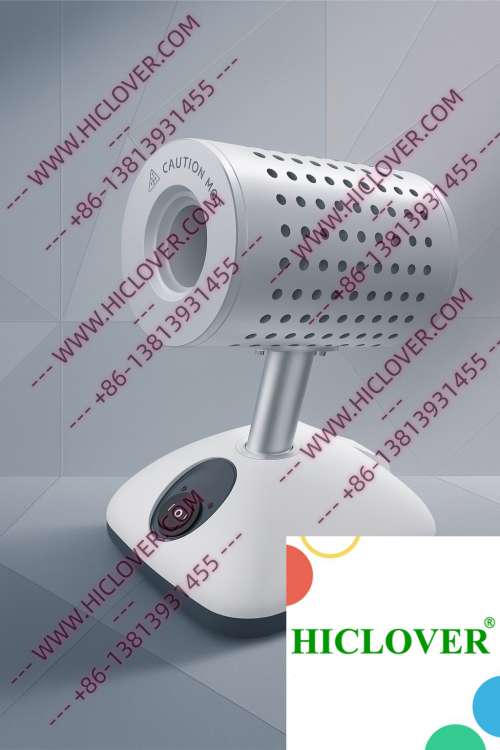
- Biosafety Cabinets: In BSL-2 and BSL-3 microbiology labs, the Micro Incinerator is utilized for sterilizing inoculating loops and other tools while preventing contamination within the cabinet. Its clean-bench-safe operation means that researchers can work with sensitive materials without risk.
- Field Testing Labs: For mobile or field testing labs, the portability and efficiency of the Micro Incinerator are invaluable. Researchers conducting environmental samples can rely on this device to ensure that their tools remain sterile, regardless of their location.
Compliance and Safety Standards in Laboratory Sterilization
Adhering to biosafety standards set by authorities such as the World Health Organization (WHO) is crucial for all laboratory operations. Guidelines dictate that sterilization equipment must effectively eliminate pathogens without compromising the integrity of clean environments. The Micro Incinerator meets these standards through its aerosol-free handling and no-flame operation, making it compliant for clean rooms and essential for maintaining biosafety in laboratories.
Moreover, lab sterilization standards emphasize the necessity of reliable equipment that can operate in environments like CO₂ incubators or anaerobic chambers, where contamination control is crucial. The following table summarizes the advantages of Micro Incinerators over traditional flame burners:
| Feature | Micro Incinerator | Flame Burners |
|---|---|---|
| Operational Safety | No open flames; reduced fire risk | Open flames; high fire risk |
| Contamination Control | Aerosol-free; closed system | Aerosol generation possible |
| Efficiency | Rapid thermal sterilization | Longer heating time |
| Compliance | Meets WHO standards | Variable compliance |
Why Mumbai Needs Micro Incinerators
As Mumbai grapples with its environmental challenges, innovative solutions like Micro Incinerators can significantly contribute to the city’s sustainable future. By implementing efficient sterilization methods in laboratories, the city can enhance public health safety while minimizing pollution. This move will resonate across universities, research centers, and hospitals, whose operations are critical in managing health and safety standards within Mumbai’s diverse urban landscape.
FAQs
- What are the primary benefits of using a Micro Incinerator over traditional sterilizers?
The Micro Incinerator offers enhanced safety, rapid sterilization, compliance with biosafety standards, and decreased risk of contamination compared to traditional flame sterilizers. - Is the Micro Incinerator suitable for use in field testing labs?
Yes, its portability and efficiency make it an ideal choice for field testing, allowing for effective sterilization regardless of location. - How does the Micro Incinerator ensure compliance with WHO biosafety standards?
Its aerosol-free handling and no-flame operation meet the safety and sterilization requirements set forth by WHO for laboratory environments. - Can Micro Incinerators be used in teaching laboratories?
Absolutely! They are perfect for university teaching labs, providing a safe and efficient means of teaching sterilization techniques without the risks associated with open flames.
Emphasizing a Sustainable Laboratory Environment
The introduction of the Micro Incinerator into various laboratory settings—whether in clinical diagnostics, university teaching labs, or mobile applications—represents a significant advancement toward improved biosafety and environmental responsibility. By replacing outdated flame sterilizers, laboratories can contribute to reducing pollution levels while maintaining high standards for safety and efficiency.
In conclusion, adopting Micro Incinerators is not just a matter of advancing laboratory practices; it’s a step toward sustainable and responsible research environments. For those interested in enhancing their sterilization processes and embracing a future free from traditional pollution, we invite you to contact us for more information or to explore purchasing options for the Micro Incinerator.
Categories:
Tags: