
The rapid pace of scientific advancement within the laboratory sector faces significant hurdles, primarily due to stringent biosafety challenges and sterilization workflow demands. In Saudi Arabia, as laboratories expand their capabilities, the need for effective waste management systems becomes increasingly urgent. Traditional sterilization methods often struggle against contamination risks, leading to the rising demand for innovative solutions. One such solution is the Micro Incinerator, or Infrared Inoculating Loop Sterilizer, which provides a modern alternative to conventional flame sterilizers.
Technical Principles of Micro Incinerators
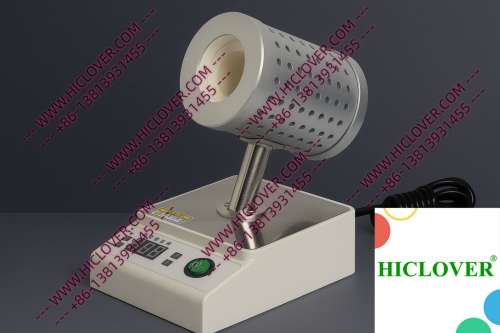
The Micro Incinerator operates on the principle of rapid thermal sterilization through infrared technology. Unlike traditional methods that rely on open flames, which can pose risks in clean environments, the Micro Incinerator incorporates an enclosed ceramic heating chamber that reaches high temperatures quickly and efficiently. The infrared heat is concentrated directly on tools such as inoculating loops, ensuring that contamination control is thorough and effective.
Design and Configuration
This advanced sterilization equipment features a compact design, ensuring that it can easily fit within biosafety cabinets. Its enclosed structure not only minimizes the risk of aerosol generation but also provides clean-bench-safe operations, making it ideal for laboratories focused on maintaining stringent hygiene standards.
Application Scenarios in Real Labs
- Biosafety Cabinet Usage: In BSL-2 and BSL-3 laboratories, the Micro Incinerator serves as an essential tool for researchers working with potentially pathogenic organisms. Within a biosafety cabinet, it facilitates rapid sterilization of inoculating loops, reducing the time spent on sterilization and increasing workflow efficiency.
- Field Testing: During mobile laboratory missions in remote areas of Saudi Arabia, having a lightweight, portable Micro Incinerator ensures that researchers can efficiently sterilize equipment on-site. This feature is crucial for maintaining the integrity of samples taken from the environment without relying on electrical outlets.
Compliance and Environmental Impact
Compliance with international biosafety standards, such as those established by the World Health Organization (WHO), is non-negotiable for laboratories operating within Saudi Arabia. The Micro Incinerator meets stringent lab sterilization standards, presenting an important advancement over traditional flame sterilizers like alcohol lamps or Bunsen burners. These conventional methods generate aerosols and can compromise clean room environments, risking contamination.
Additionally, with the pressing issue of waste management in the region, the Micro Incinerator helps combat waste challenges by enabling environmentally friendly disposal methods. Researchers can reduce their carbon footprint by effectively managing laboratory waste through high-temperature disinfection, thus supporting Saudi Arabia’s commitment to a sustainable environment.
Advantages Over Traditional Flame Sterilizers
The advantages of using a Micro Incinerator over traditional flame sterilizers are clear:
- Enhanced Contamination Control: The enclosed design limits aerosol generation, making it safer for lab personnel.
- Rapid Sterilization: The infrared high-temperature disinfection process is quicker compared to waiting for flames to heat instruments.
- Safety: Eliminates open flames, reducing the risk of accidents in sensitive environments.
- Portability: Compact design allows for use in various settings, including field and teaching labs.
Comparison Table: Micro Incinerator vs. Traditional Flame Burners
| Feature | Micro Incinerator | Traditional Flame Burners |
|---|---|---|
| Operation Principle | Infrared heat in enclosed chamber | Open flame |
| Contamination Control | Excellent; aerosol-free | Poor; risks contamination |
| Safety | High; no open flame | Moderate; fire hazards present |
| Portability | High; compact and lightweight | Low; less mobile |
| Compliance | Meets WHO and lab standards | Varies; often non-compliant |
FAQs
What is a Micro Incinerator used for?
A Micro Incinerator is used for rapid sterilization of laboratory tools, particularly inoculating loops, ensuring effective contamination control in biosafety cabinets and field testing environments.
How does the Micro Incinerator differ from flame sterilizers?
Unlike flame sterilizers that use an open flame, the Micro Incinerator uses infrared heat in a closed environment, offering improved safety, faster sterilization, and better contamination control.
Are Micro Incinerators compliant with lab sterilization standards?
Yes, Micro Incinerators are compliant with international laboratory sterilization standards, including those established by the WHO, making them suitable for use in biosafety labs.
Can a Micro Incinerator be used in field testing labs?
Absolutely, the compact and portable design of the Micro Incinerator makes it ideal for mobile laboratories conducting field tests in remote locations.
Why is aerosol-free handling important?
Aerosol-free handling is crucial in laboratory settings to prevent the spread of contaminants and ensure the safety of laboratory personnel and the integrity of experimental results.
Conclusion
In conclusion, the advent of the Micro Incinerator represents a significant leap forward in laboratory sterilization technology, particularly for laboratories in Saudi Arabia. By addressing waste management challenges through efficient, rapid thermal sterilization, the Micro Incinerator not only enhances biosafety but also contributes to environmental sustainability. For labs seeking to improve their sterilization workflows and compliance standards, investing in this cutting-edge equipment is essential. Contact us today to explore how the Micro Incinerator can transform your laboratory processes.
Categories:
Tags: